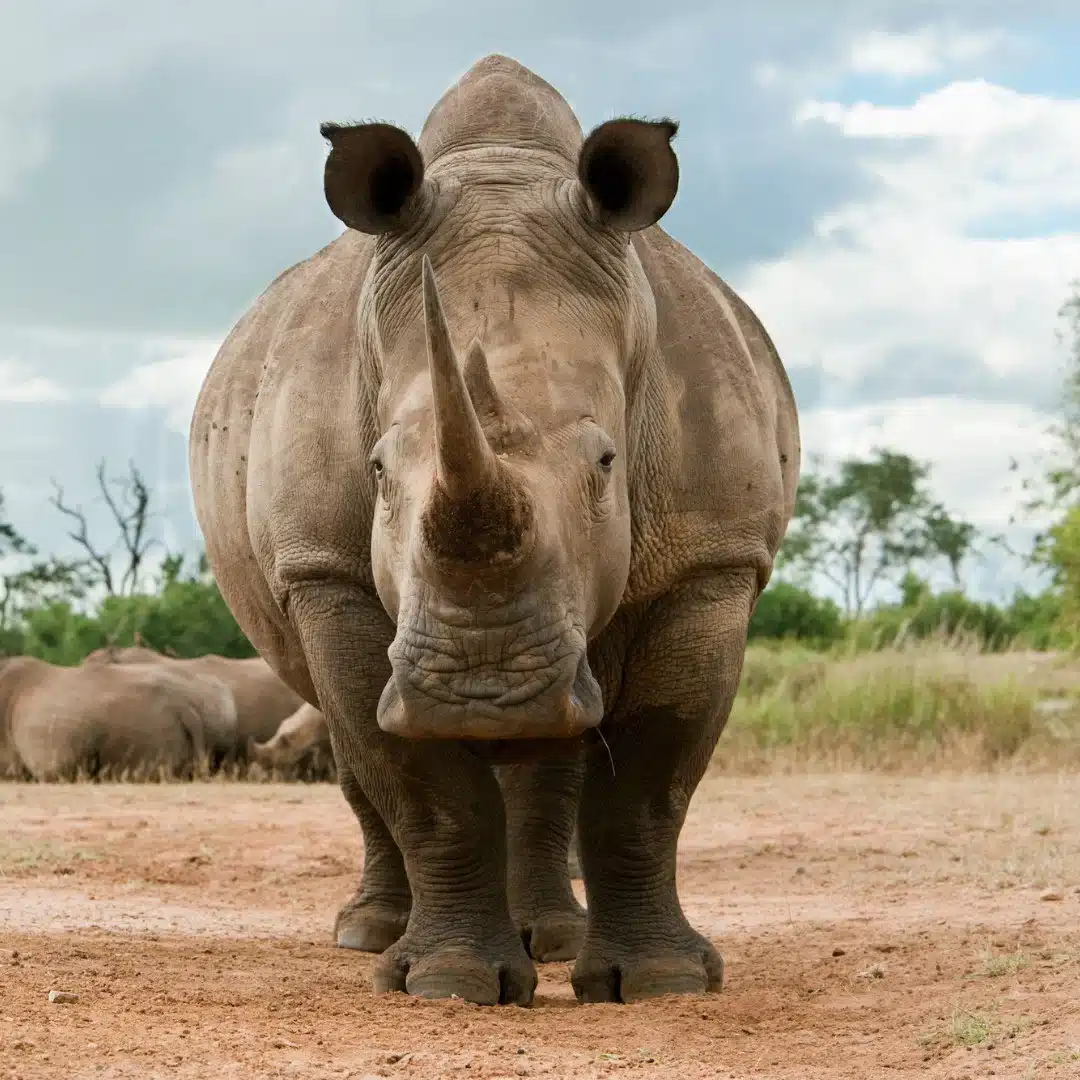
Rhinos are among Africa’s most iconic and endangered species, but not all rhinos are the same. In fact, there are two main species found on the continent: the black rhino and the white rhino. Despite their names, these species are not distinguished by their color but rather by their physical characteristics, behavior, and preferred habitats.
The black rhino is smaller, more solitary, and more territorial, with a hooked upper lip that enables it to graze on a variety of shrubs, branches, and fruits. On the other hand, the white rhino is larger, with a wide, square-shaped lip that is better suited for grazing on grass. These subtle yet significant differences play a role in how each species interacts with its environment and the challenges they face in the wild.
Explore our Kenya safari packages to see how you can support rhino conservation while experiencing the wild wonders of Africa.
Key Facts About Black Rhinos:
Let’s explore the unique characteristics of the black rhino, an essential species in Africa’s biodiversity and ecosystem.
Physical Features:
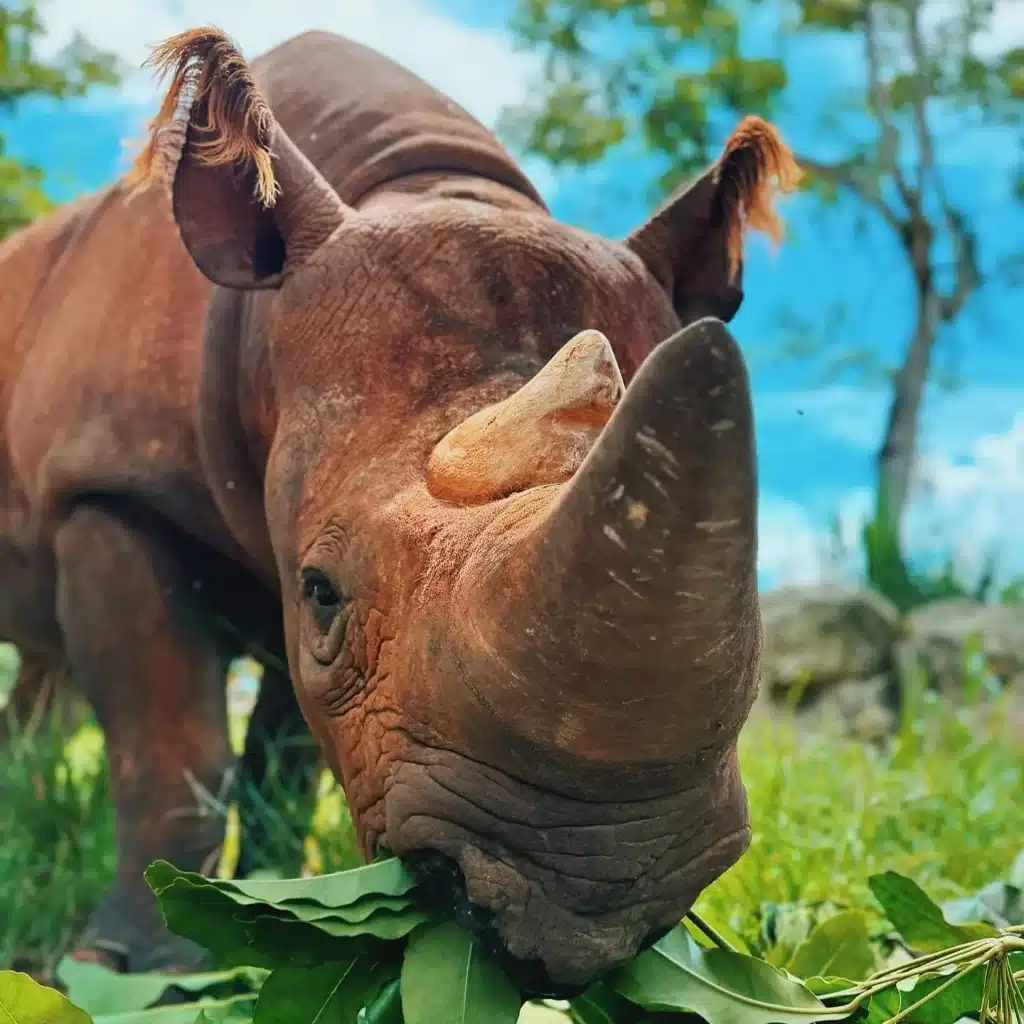
- Black rhinos are known for their pointed, hooked lips, which set them apart from the wide, square-shaped lips of white rhinos. This specialized lip allows them to feed on shrubs, branches, and fruits, which are difficult for other herbivores to reach.
- Smaller than white rhinos, male black rhinos typically weigh between 1,800 to 3,000 pounds, while females range from 1,000 to 1,800 pounds.
Habitat:
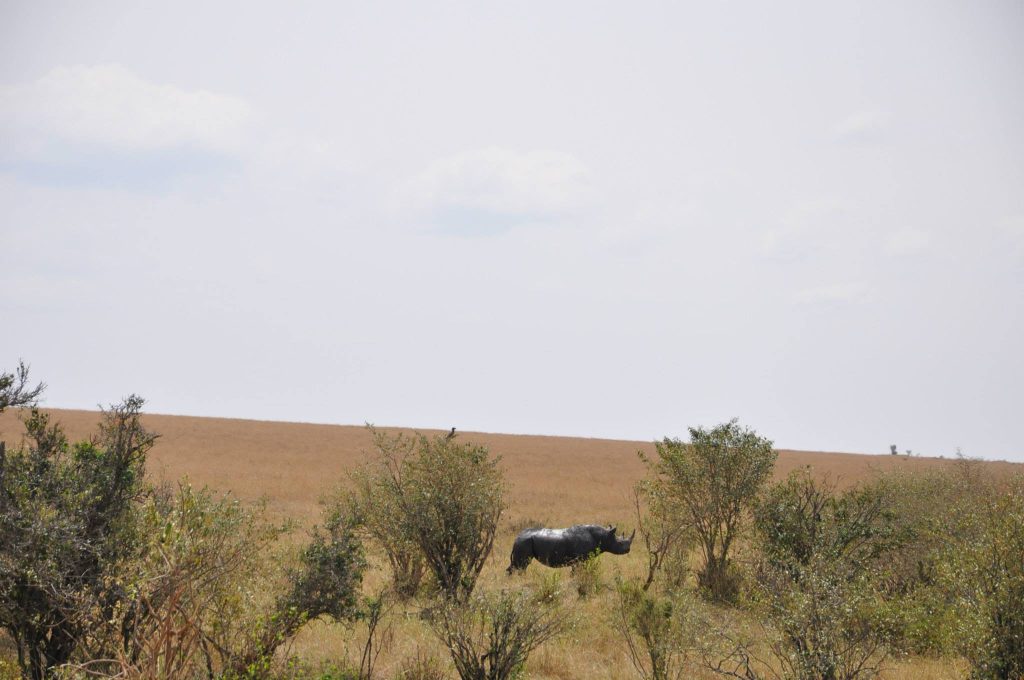
- Black rhinos are versatile and can be found across a variety of habitats, from savannas and forests to grasslands. However, they favor areas with dense vegetation, providing shelter and ample food sources.
Pro Tip: If you’re planning a visit to Kenya, always check the latest rhino conservation status and the parks’ roles in protection. Reserves like Lewa Wildlife Conservancy and Ol Pejeta Conservancy are vital in supporting rhino populations, thanks to their dedicated conservation programs and efforts to protect these magnificent creatures.
Behavior and Social Structure
- Solitary Nature: Black rhinos are generally solitary animals, especially males. They tend to avoid each other, except during mating seasons. Males are territorial, and they mark their territories using urine and feces, which they often smear on trees and bushes.
- Females and Calves: Female black rhinos, however, may stay with their calves for extended periods. A mother and calf often form a strong bond, with the mother teaching the calf essential survival skills, such as where to find food and how to navigate the landscape.
- Communication: Black rhinos have a variety of vocalizations, including grunts, growls, and snorts. They also communicate through body language, including head movements and tail flicks. These signals help to establish dominance or warn other animals of potential danger.
Diet and Feeding Behavior
- Herbivorous Diet: Black rhinos are primarily browsers, feeding on bushes and trees rather than grass. Their diet can consist of various vegetation, including leaves, twigs, fruit, and bark. This makes them different from the white rhinos, which are grazers and feed mostly on grass.
- Feeding Habits: Black rhinos are selective eaters, using their prehensile lips to grasp and strip leaves, branches, and small twigs. They may also uproot plants to get to their roots or bark. Their diet can vary depending on the availability of food in different seasons.
Reproductive Behavior
- Mating and Gestation: Black rhinos have a long gestation period of 15 to 16 months, one of the longest in the animal kingdom. Females usually give birth to a single calf, though twins are rare.
- Reproduction Timing: Females generally become sexually mature between 6 and 7 years old, while males mature later, around 10 to 12 years old. However, males often do not start breeding until they are around 15 years old, as they need to reach a dominant status to win over females.
- Care of the Calf: The mother cares for the calf alone for about 2 to 3 years, though the calf will often stay near its mother’s territory for a longer period. Young calves are highly vulnerable to predators like lions and hyenas, so the mother is very protective.
Did You Know? Black rhinos can live up to 35-50 years in the wild. However, they face constant threats from habitat loss and poaching, making conservation efforts essential to their survival.
Conservation Status:
- The black rhino is classified as “Critically Endangered” by the International Union for Conservation of Nature (IUCN). Their population has drastically declined due to poaching for their horns and habitat destruction. Conservation efforts have been implemented, including anti-poaching patrols and habitat restoration programs. As of recent estimates, approximately 5,000 black rhinos remain in the wild.
Black rhinos play a critical role in their ecosystem by influencing the structure of vegetation, which in turn affects other species. Protecting them is vital for maintaining the biodiversity of their habitats.
Subspecies of Black Rhinos
There are four recognized subspecies of the black rhino, each adapted to different habitats and regions in Africa:
- Southern Black Rhino (Diceros bicornis bicornis):
- This subspecies is found in southern and southeastern Africa, including countries like South Africa, Namibia, Zimbabwe, and Kenya. It is the most numerous of the black rhino subspecies.
- It is found in savannas, scrublands, and open woodlands and has a relatively stable population, though still critically endangered.
- East African Black Rhino (Diceros bicornis michaeli):
- Native to East Africa, particularly Kenya and Tanzania, this subspecies has a more fragmented population compared to the southern black rhino.
- These rhinos are typically found in grassland and savanna habitats, although they are also seen in areas with dense bush.
- South-Central Black Rhino (Diceros bicornis minor):
- Found in central and southern Africa, particularly in countries like Botswana and Zambia. This subspecies is critically endangered with a relatively small population remaining in the wild.
- They are primarily found in dense woodlands and bushlands.
- Western Black Rhino (Diceros bicornis longipes):
- This subspecies once inhabited parts of West and Central Africa, but it was declared extinct in 2011 after extensive surveys failed to find any individuals in the wild.
- The loss of this subspecies is a significant blow to black rhino conservation.
Threats to Black Rhinos
- Poaching:
- The most significant threat to black rhinos is illegal poaching for their horns, which are highly valued on the black market for use in traditional medicine and as status symbols. The demand for rhino horn, primarily from Asia, has driven black rhinos to the brink of extinction.
- Although international trade in rhino horn is banned, poaching continues due to the high profits it generates.
- Habitat Loss:
- Habitat degradation and fragmentation are also major threats to black rhinos. As human populations grow, rhinos face increasing pressures from land conversion for agriculture, urban development, and the expansion of infrastructure.
- The loss of suitable habitat also makes it difficult for rhinos to find sufficient food and water sources, which impacts their survival.
- Human-Wildlife Conflict:
- In some regions, black rhinos may come into conflict with local farmers and communities, especially if rhinos wander into agricultural areas. This can lead to retaliatory killings by farmers who see them as a threat to their crops or livestock.
Conservation Efforts
- Protected Areas: Many black rhinos are found in protected areas such as national parks, reserves, and wildlife sanctuaries. Countries like Kenya, Zimbabwe, and South Africa have dedicated rhino reserves and national parks with strict anti-poaching measures in place.
- Translocation: Conservation programs often involve relocating rhinos from overcrowded or unsafe areas to more secure locations to improve genetic diversity and ensure the survival of populations.
- Rhino Monitoring and Anti-Poaching Patrols: Extensive efforts are made to track and monitor rhinos using GPS collars and other tracking technologies. Anti-poaching teams patrol protected areas, and there are increasing use of drones and surveillance to monitor rhino movements and detect poachers.
- Community Involvement: Engaging local communities is a crucial aspect of rhino conservation. Many conservation programs focus on educating communities about the importance of rhinos and providing them with alternative sources of income, such as eco-tourism and community-run conservation efforts.
Join us on a conservation-focused safari, where you can witness firsthand how tourism funds are channeled into protecting endangered species like the black rhino.

Role in Ecosystem
- Ecological Impact: Black rhinos play an important role in their ecosystem by influencing the structure of vegetation. Their browsing habits help control the growth of certain plants, which in turn affects the types of other animals that can thrive in these areas. This process is known as ecosystem engineering.
- Seed Dispersal: As herbivores, black rhinos also contribute to seed dispersal. By consuming fruits and plants and moving across large distances, they help to spread seeds throughout their habitat, aiding in plant regeneration.
Interesting Facts
- Sharp Sense of Smell: Black rhinos have an extremely keen sense of smell, which helps them detect predators or other rhinos. Despite poor eyesight, they can detect scents from miles away.
- Speed and Agility: Though large and heavy, black rhinos can run at speeds of up to 30-35 miles per hour (48-56 km/h) over short distances. They can also charge at full speed when threatened, which makes them one of the most dangerous animals in Africa.
- Longevity: In the wild, black rhinos can live up to 40-50 years, but many die earlier due to poaching, human conflict, or disease.
Conclusion
Black rhinos are not just an iconic species; they are vital to the health of their ecosystem. While conservation efforts are making progress, the road ahead is still challenging. By choosing a sustainable safari, you can be a part of the solution, experiencing the beauty of these animals while contributing to their protection.