Tsavo National Park is one of Kenya’s largest and most diverse safari destinations, known for its vast wilderness, iconic red elephants, and dramatic landscapes stretching from Tsavo East to Tsavo West. Located between Nairobi and the Kenyan coast, Tsavo is best explored as part of a thoughtfully planned itinerary — often combined with Amboseli or a beach extension through custom Tsavo safari packages designed around your travel style, pace, and budget.
Did you know?
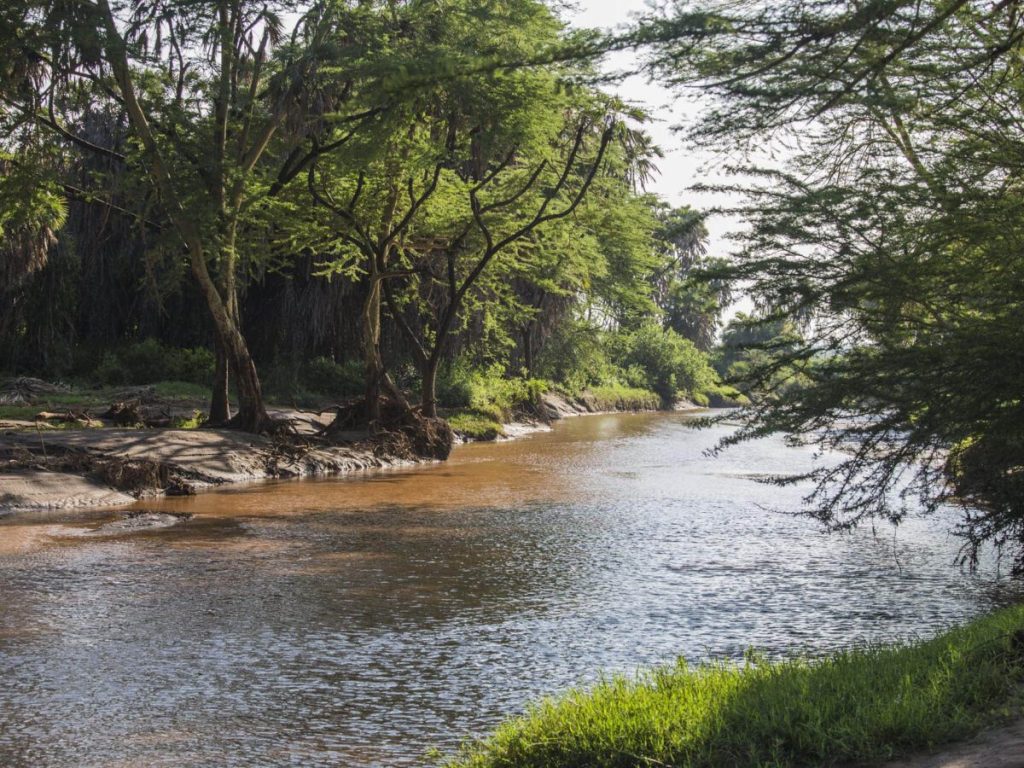
The name “Tsavo” is derived from the Tsavo River, which flows through the region.
In the language of the local Taita people, “Tsavo” is believed to mean “slaughter” —
a reference to historic tribal battles that once raged in this area.
This powerful name reflects the dramatic and storied past of one of Kenya’s most iconic landscapes.
Today, however, Tsavo symbolizes the raw, untamed beauty of African wilderness and stands as a testament to Kenya’s commitment to conservation. This guide explores the rich history, abundant wildlife, cultural depth, and essential travel tips for experiencing Tsavo National Park at its best.
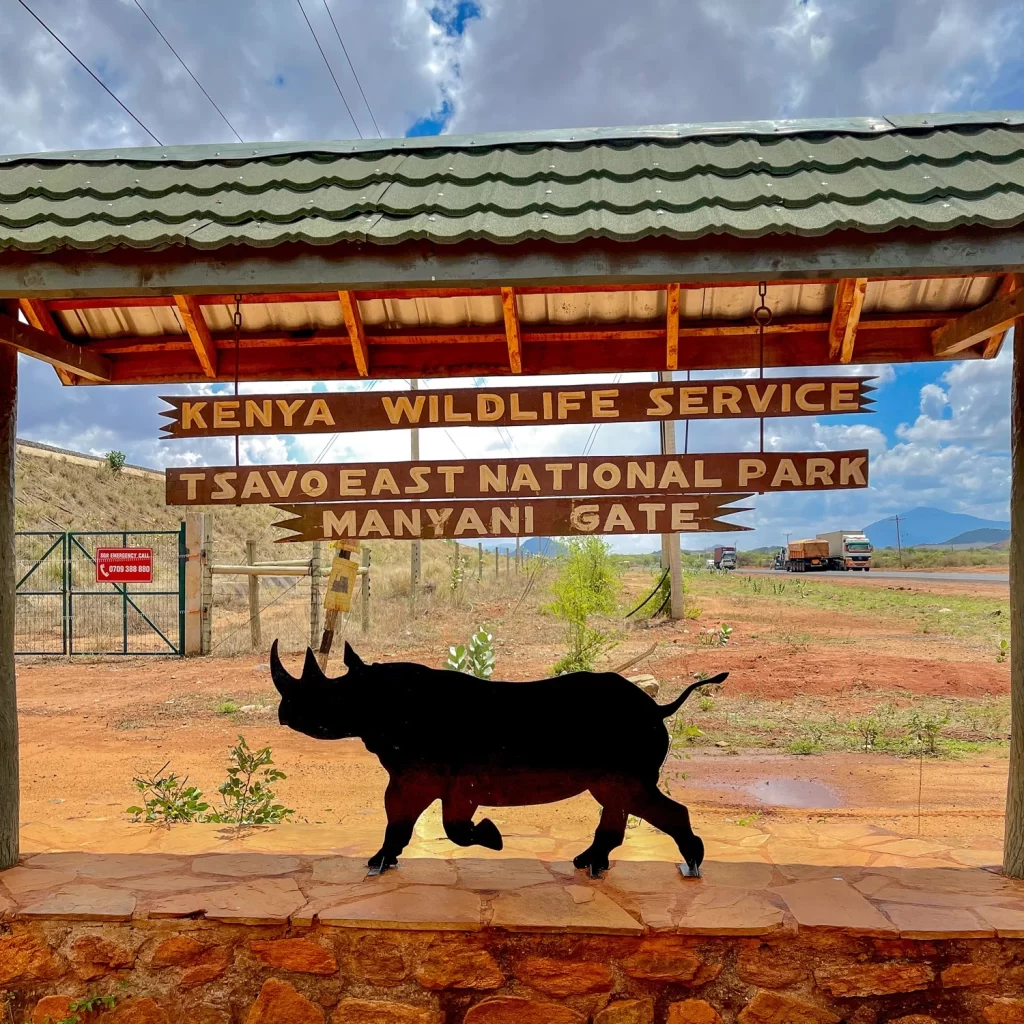
Tsavo National Park is managed by the Kenya Wildlife Service, which oversees wildlife conservation and visitor access across Kenya’s national parks.
1. A Brief History of Tsavo National Park
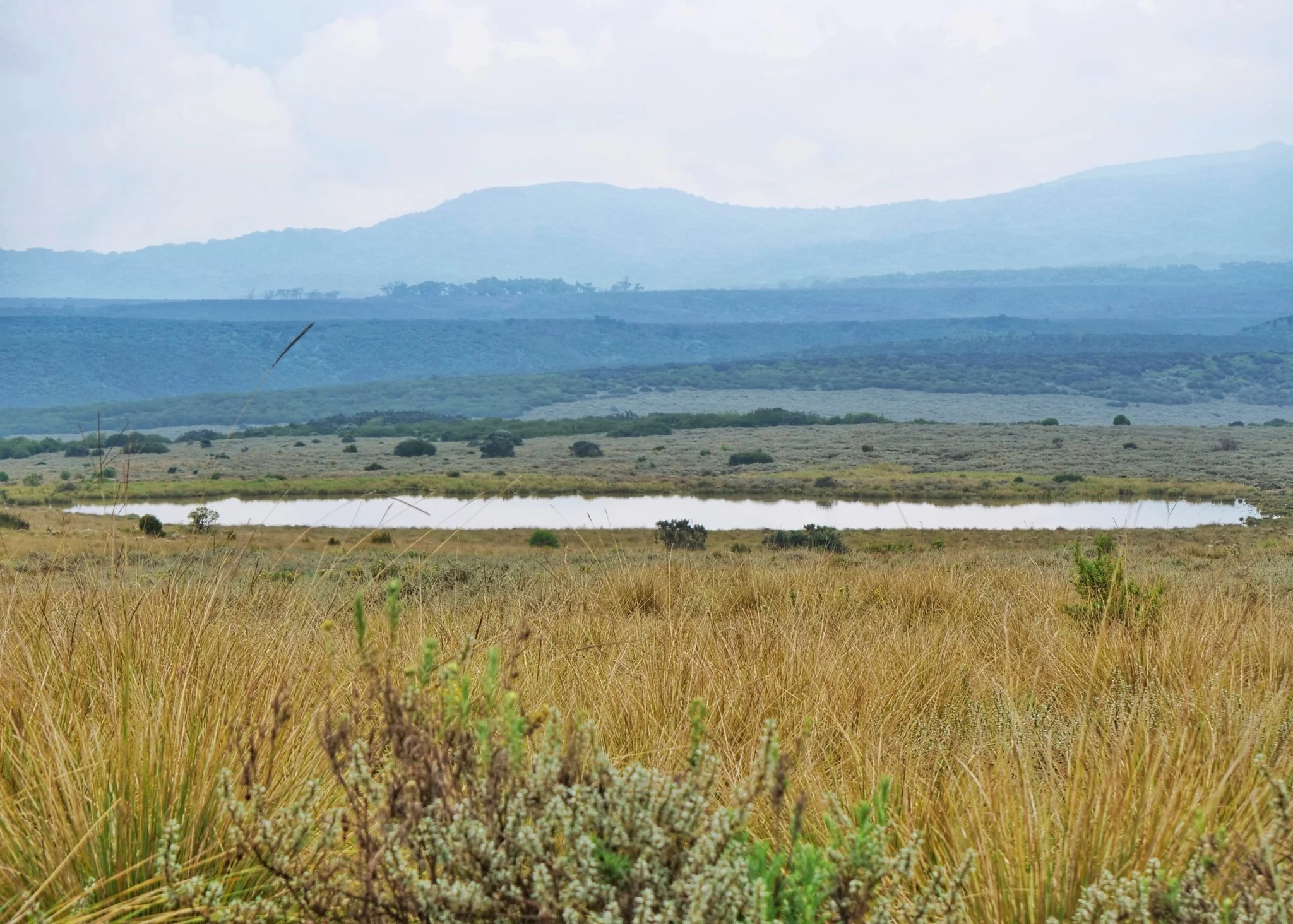
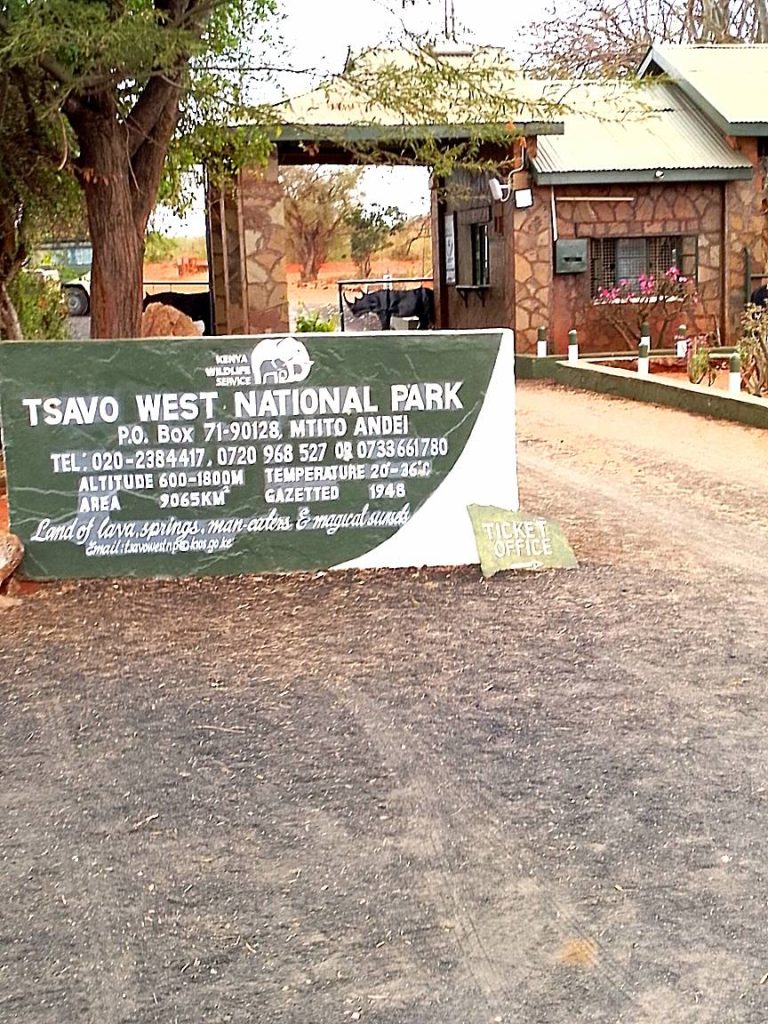
Established in 1948, Tsavo National Park was split into two distinct parks: Tsavo East and Tsavo West. Covering a combined area of over 22,000 square kilometers, it’s one of the largest protected areas in the world. Tsavo East is characterized by its vast open plains and the Galana River, while Tsavo West is more mountainous and lush, featuring springs and volcanic landscapes.
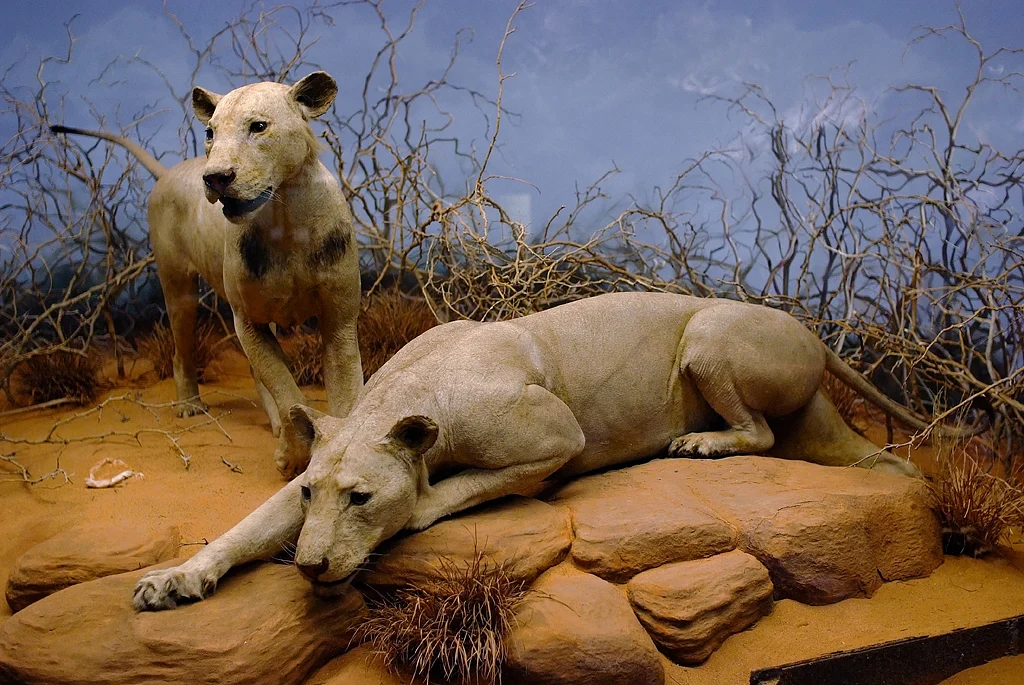
One of the park’s most infamous historical events is the story of the “Man-Eaters of Tsavo.” In 1898, during the construction of the Kenya-Uganda Railway, two lions terrorized railway workers, reportedly killing dozens. Their legend was immortalized in books and films, most notably in John Henry Patterson’s 1907 memoir, The Man-Eaters of Tsavo, and the 1996 Hollywood film The Ghost and the Darkness, symbolizing the untamed danger of the African wilderness. Today, the park is a safe and structured environment where wildlife thrives and visitors can explore in comfort.
Did you know?
Tsavo was the setting for one of Africa’s most famous man-eating lion incidents during the construction of the Kenya–Uganda Railway in 1898 — a story that helped shape modern wildlife conservation in Kenya.
2. Incredible Wildlife of Tsavo
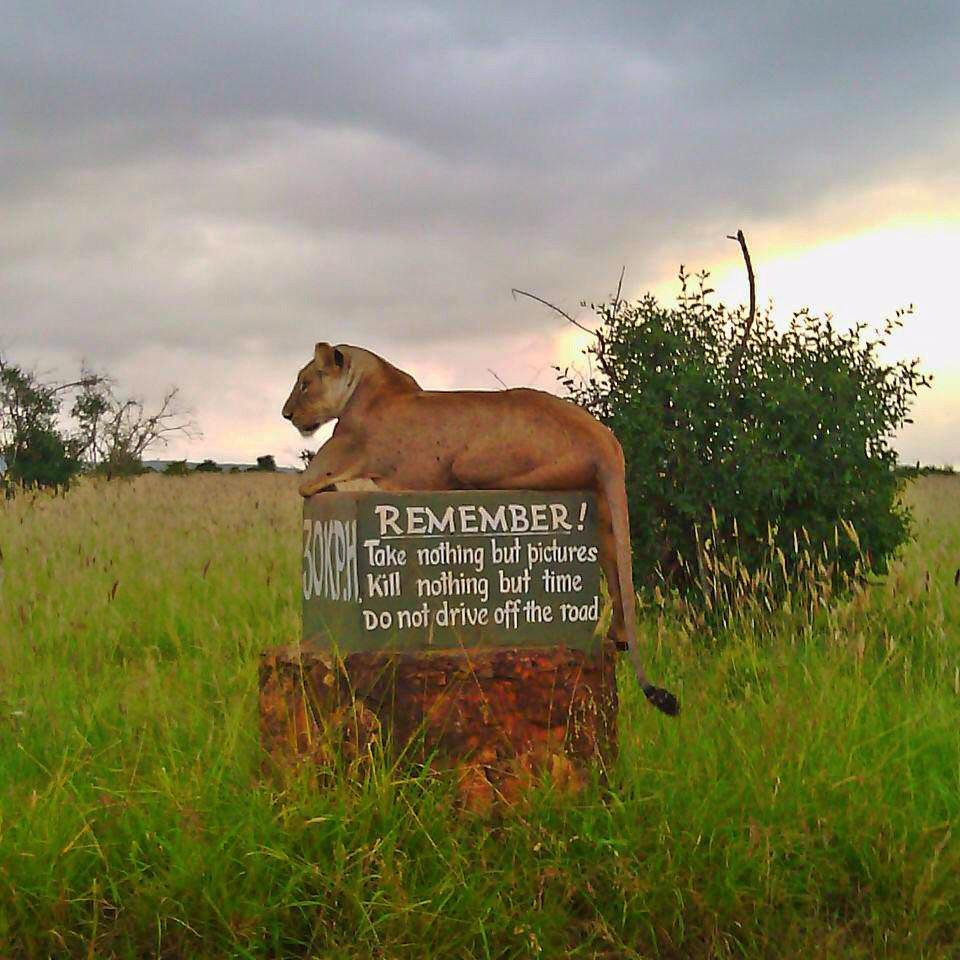
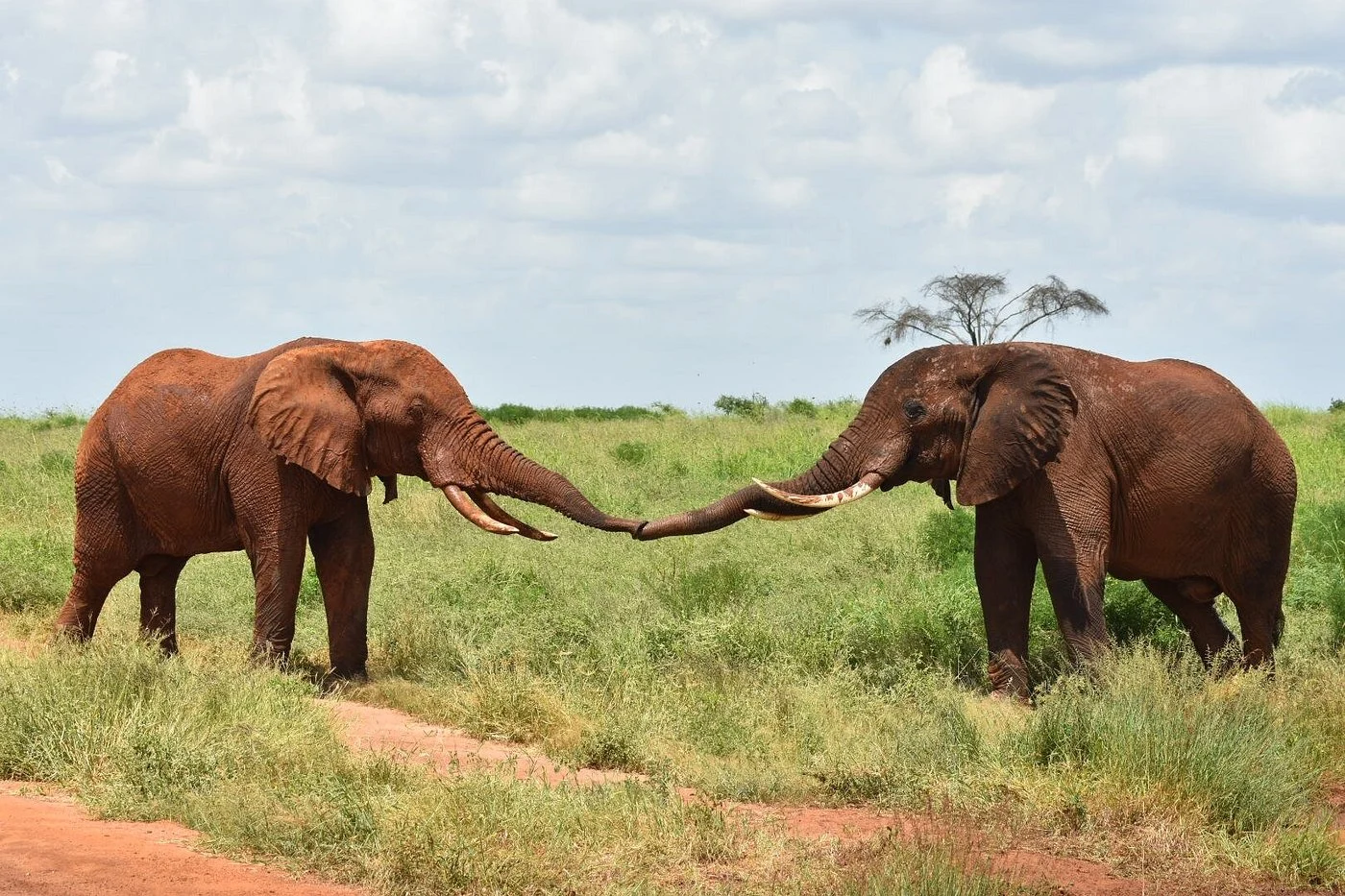
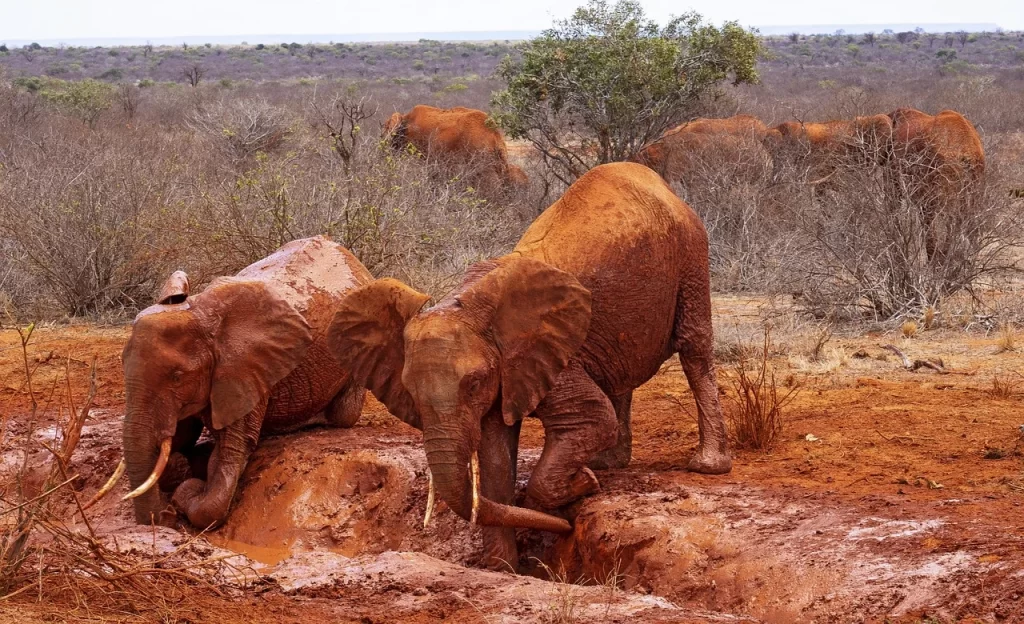
Tsavo is a wildlife enthusiast’s paradise. The park is home to the iconic Big Five: elephants, lions, leopards, buffalo, and rhinos. Tsavo’s elephants are particularly unique — their red hue comes from dust-bathing in the region’s iron-rich soil. Lions in Tsavo are known for their short manes and stealthy hunting tactics.
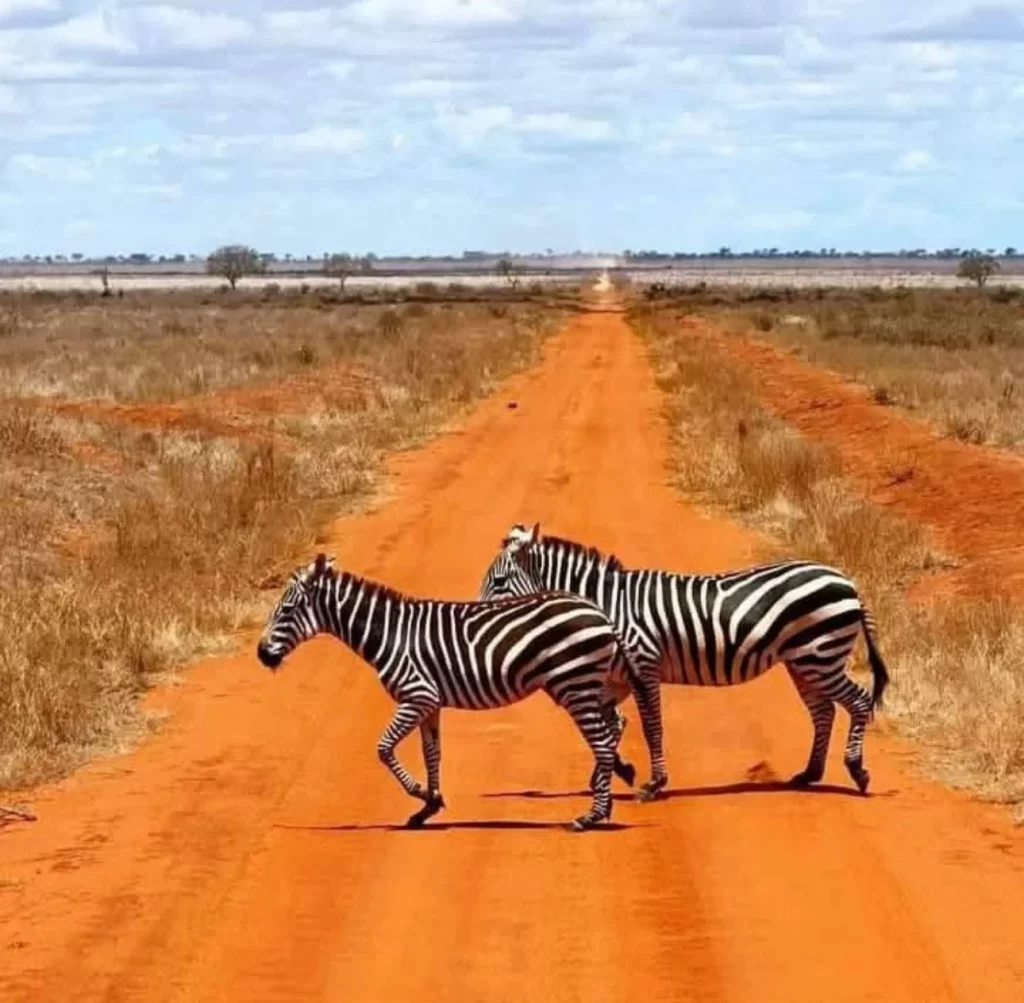
In addition to the Big Five, the park supports diverse species like giraffes, zebras, hippos, crocodiles, and various antelope. Birdwatchers will be thrilled with over 500 recorded bird species, including kingfishers, hornbills, secretary birds, and rare migratory species. Notable landscapes like Mzima Springs and the Yatta Plateau provide essential water sources and geological wonder.
Did you know?
Tsavo’s elephants are known for their reddish appearance due to rolling in the park’s iron-rich soil — a trait unique to this ecosystem.
3. Cultural Immersion in Tsavo
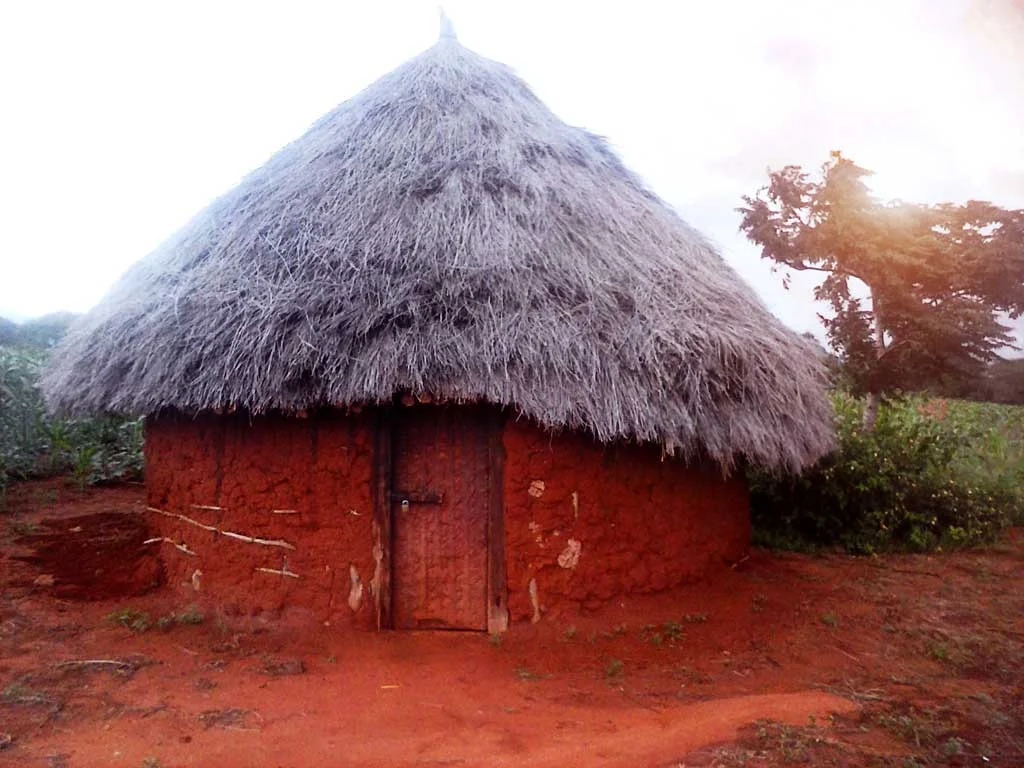
Beyond wildlife, Tsavo offers meaningful cultural experiences with the Taita and Kamba communities. These indigenous groups have lived in harmony with the land for generations. Visitors can engage in village tours, learn traditional dances, and hear stories passed down through generations.
Local guides often provide deeper insight into the cultural significance of the land, flora, and fauna. Purchasing locally made crafts or participating in community-run projects helps support sustainable tourism and preserves cultural heritage.
4. Top Things to Do in Tsavo National Park
There’s no shortage of activities to keep visitors engaged:
- Game Drives: Experience thrilling morning or sunset safaris, either guided or self-driven.
- Walking Safaris: Available in Tsavo West with armed rangers, offering close encounters with nature.
- Visit Mzima Springs: A lush oasis fed by underground water from Kilimanjaro, home to hippos and crocodiles.
- Explore Shetani Lava Flow: A vast black lava field formed by volcanic eruptions, offering surreal landscapes.
- Lugard Falls and Aruba Dam: Ideal spots for scenic views, bird watching, and photography.
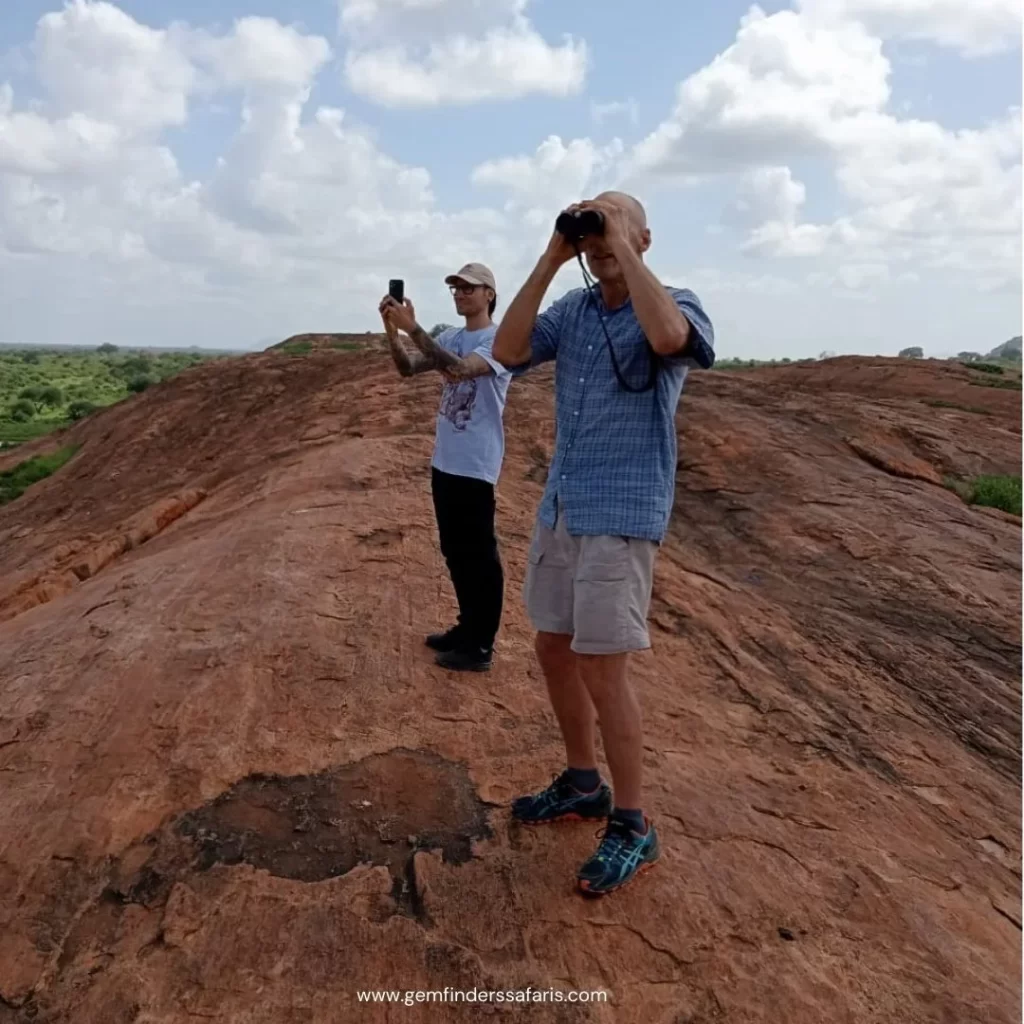
Many of these experiences — especially full-day game drives, guided walks, and photography-focused safaris — are best enjoyed on a private Tsavo safari, where you control the pace, stops, and daily schedule rather than following a fixed group itinerary.
These activities cater to both adventure seekers and leisure travelers.
Did you know?
Tsavo is one of the best parks in Kenya for spotting large elephant herds year-round, especially during the dry season.
5. Sustainable Travel in Tsavo
Sustainability is at the heart of modern tourism in Tsavo. Several eco-lodges and community-run conservancies ensure that wildlife conservation efforts benefit both animals and local people.
Travelers are encouraged to:
- ? Choose accommodations with eco-certification.
- ? Limit plastic use and dispose of waste properly.
- ? Respect wildlife by maintaining safe distances.
- ? Support local artisans and businesses.
By traveling responsibly, visitors help protect Tsavo’s fragile ecosystems and empower local communities.
6. Where to Stay in and Around Tsavo
Tsavo offers a range of accommodations:
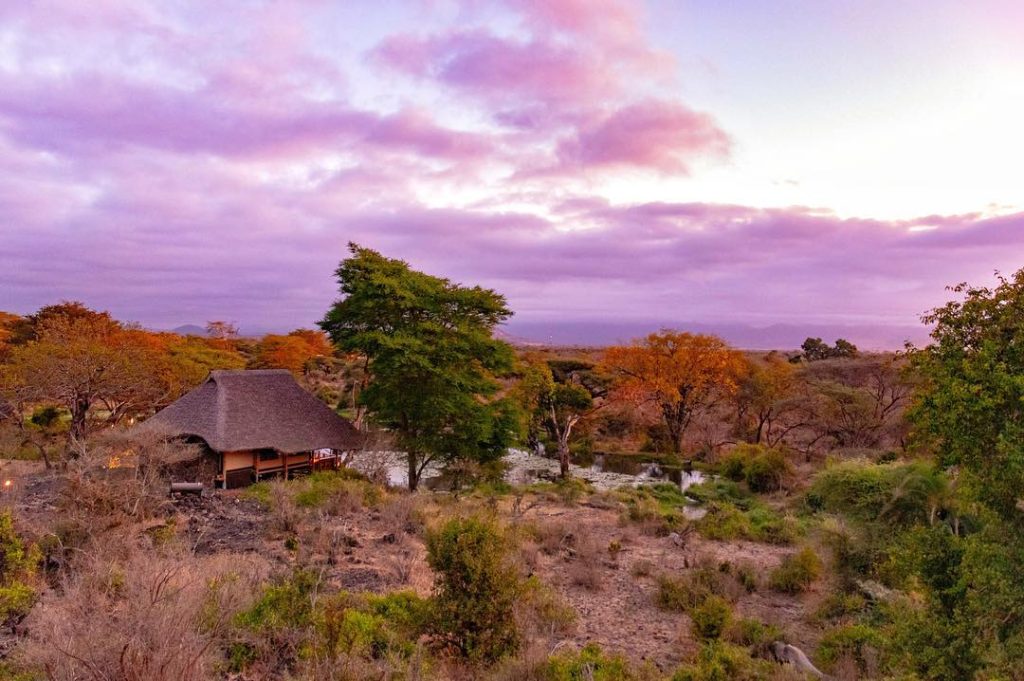
- Luxury Lodges: Finch Hattons, Kilaguni Serena Safari Lodge — perfect for high-end comfort and excellent wildlife views.
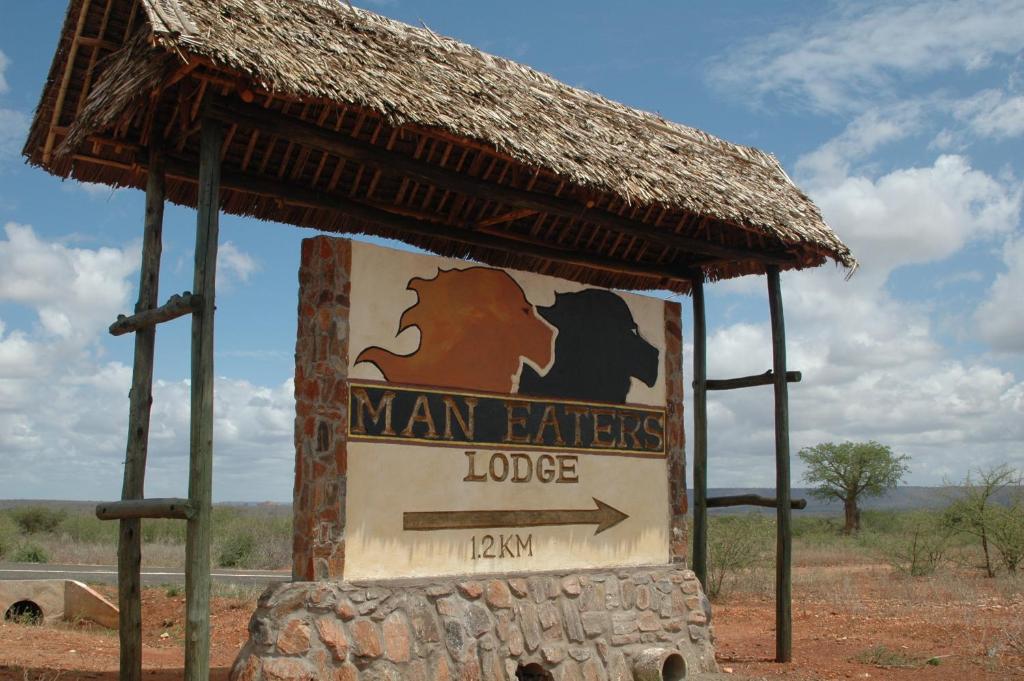
- Mid-range Camps: Man Eaters Lodge, Satao Camp, Voi Safari Lodge — great for a balance of comfort and adventure.
- ⛺ Budget & Campsites: Public and private camping areas are available for backpackers and self-drive tourists.
Most accommodations offer full-board packages, game drives, and knowledgeable guides. Booking in advance, especially during peak seasons (June–October and December–February), is highly recommended.
Choosing the right camp or lodge has a major impact on wildlife access and comfort, which is why many travelers prefer Tsavo safari itineraries with handpicked lodges matched to their budget and travel dates.
7. Pro Tips for Visiting Tsavo National Park
- Combine Tsavo East and Tsavo West to experience both open savannahs and volcanic landscapes.
- Early morning game drives offer the best wildlife activity and photography light.
- A private safari vehicle allows longer sightings and flexible routing.
- Tsavo pairs exceptionally well with Amboseli National Park or a Diani Beach extension for a balanced wildlife-and-relaxation itinerary.
Planning a Tsavo Safari?
Tsavo works best as part of a well-designed itinerary — whether combined with Amboseli, Tsavo East & West, or the Kenyan coast.
At Gemfinders Safaris, we design private Tsavo safaris tailored to your interests, travel dates, and budget.
???? Plan Your Safari
Conclusion: Discover Tsavo with Gemfinders Safaris
Tsavo National Park offers one of Kenya’s most raw and rewarding safari experiences — vast landscapes, fewer crowds, and remarkable wildlife encounters. Whether you’re drawn by its elephants, scenery, or cultural connections, the right planning makes all the difference.
At Gemfinders Safaris, we specialize in private Tsavo safaris designed by local experts who know the park intimately. From lodge selection to route planning, every detail is tailored to you.
???? Explore Tsavo Safari Packages or Speak to a Safari Expert to start planning.