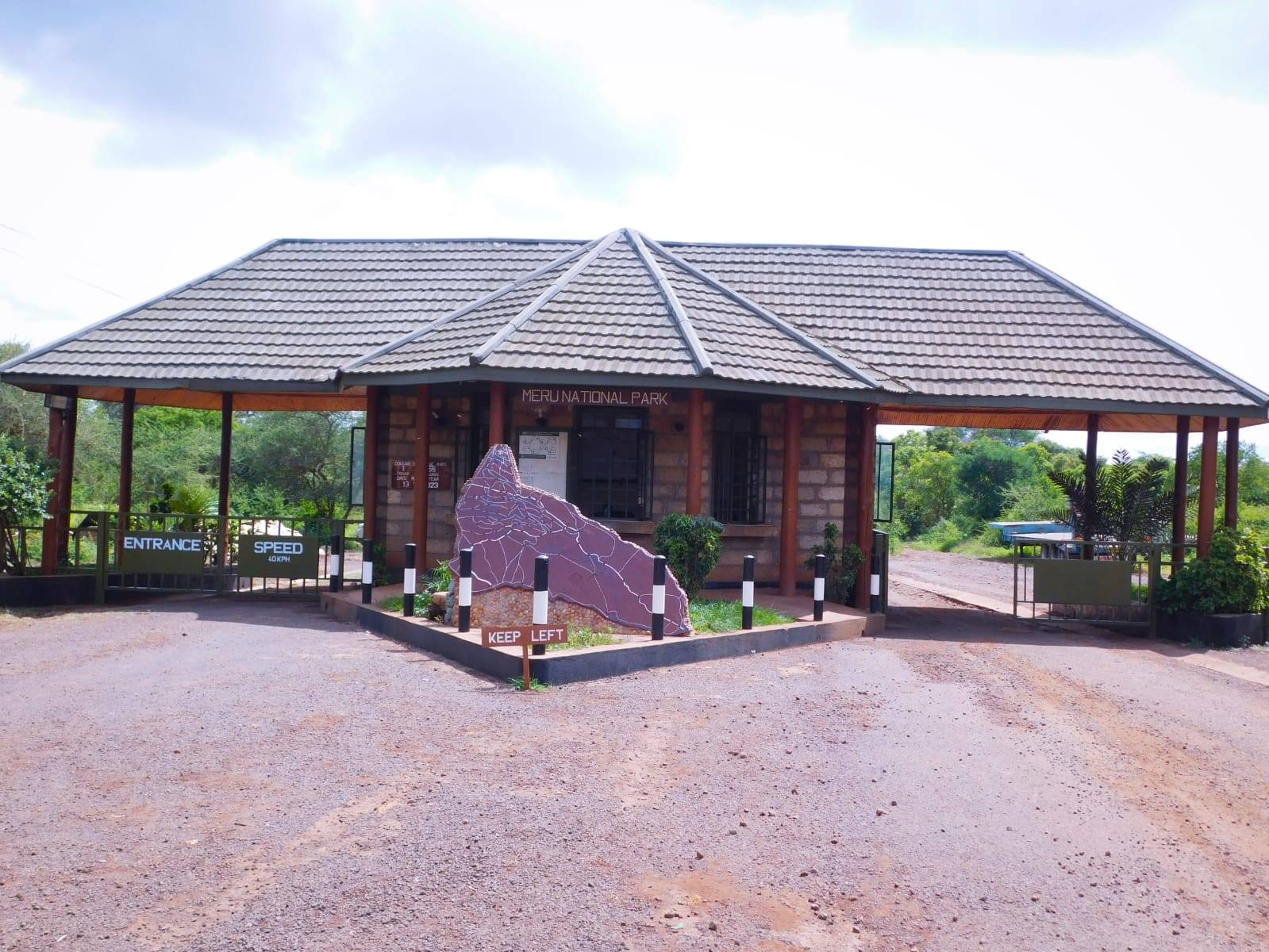
1. The History of Meru National Park
In the shadow of more famous Kenyan parks like the Maasai Mara and Amboseli lies one of Africa’s most enchanting and untouched landscapes — Meru National Park. This vast wilderness, located in eastern Kenya near the equator, is a haven for travelers seeking solitude, wildlife, and a connection with nature in its purest form.
With its dramatic landscapes, abundant wildlife, and deep cultural ties, Meru National Park is a destination that delivers raw beauty, remote serenity, and unforgettable experiences. Here’s everything you need to know about this underrated gem.
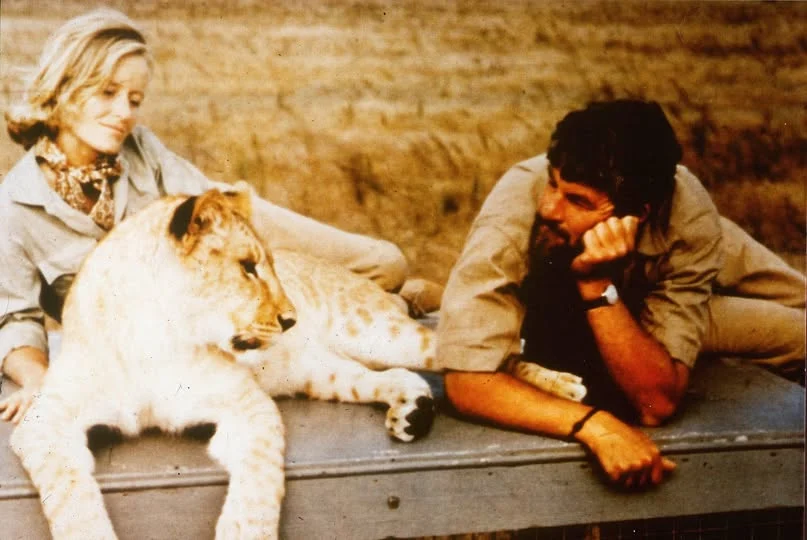
Meru National Park was officially established in 1966 and quickly gained fame as the home of Elsa the lioness, made famous by George and Joy Adamson in their book and the award-winning film Born Free. The Adamsons raised Elsa and later released her into the wilds of Meru, sparking global interest in wildlife conservation and humane animal rehabilitation.
However, Meru faced serious challenges in the 1980s and 1990s due to rampant poaching and lack of resources. Wildlife populations declined, and the park’s popularity waned. Fortunately, a revitalization effort spearheaded by the Kenya Wildlife Service (KWS) and international conservation partners helped restore Meru to its former glory.
Today, the park represents a powerful conservation success story and is often praised as one of Kenya’s most authentic safari experiences, far from the crowds.
Meru National Park offers an unparalleled adventure with its raw beauty and diverse wildlife. Whether you’re an experienced safari-goer or new to the Kenyan wilderness, you’ll find that we have the perfect safari experience for you. Explore our customizable Kenya safari packages for a seamless Meru National Park experience.
Did You Know?
The name Meru comes from the Ameru people, an indigenous Bantu ethnic group who have lived on the fertile eastern slopes of Mount Kenya for centuries. The word “Meru” refers to the land of the Ameru, reflecting both the geography and the cultural identity of the region.
In local oral traditions, the Ameru trace their origins to migrations from the north, possibly Ethiopia, settling over time in what they called Njiru, meaning “black soil” — which evolved into Meru over generations.
Some interpretations link the name “Meru” to a high or sacred place, similar to the mythical Mount Meru in Hindu and Buddhist cosmology, although this is likely coincidental rather than a direct connection.
Likewise, despite the shared name, Meru National Park in Kenya has no direct connection to Mount Meru in Tanzania. Mount Meru, located near Arusha, is a dormant volcano named after the Wameru people who inhabit that region. While both groups are indigenous to East Africa and have similar-sounding names, the use of “Meru” in each location comes from distinct local histories and languages—making the similarity more coincidental than related.
2. Meru National Park Wildlife: Big Cats, Rhinos & Rare Species
Meru is home to a stunning variety of wildlife, made even more exciting by the park’s raw and less-traveled feel. Spanning over 870 square kilometers, the park’s rich ecosystems include savannah, swamps, riverine forests, and acacia woodlands, supporting diverse flora and fauna.
Among the wildlife highlights:
- Big Cats: Lions, leopards, and cheetahs roam the plains and woodlands.
- Elephants and Buffalos: Large herds are often seen gathering near rivers and swampy areas.
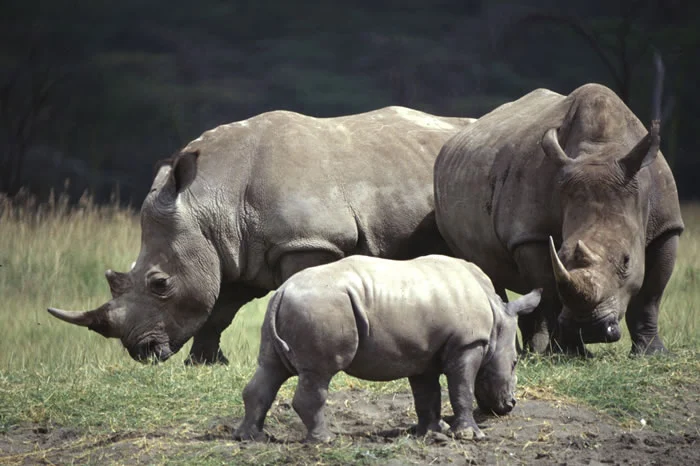
- Rhinos: A secure sanctuary within the park is home to both black and white rhinoceroses — a rare double sighting.
- Rare Antelopes: Keep your eyes peeled for the elegant lesser kudu, Beisa oryx, and eland.
- Birdlife: With over 400 species, including kingfishers, hornbills, bee-eaters, and ostriches, birding enthusiasts will find Meru a paradise.
One of the park’s standout features is its 13 rivers, which attract wildlife throughout the year, ensuring excellent game-viewing regardless of the season.
Pro Tip: For a truly unique experience, visit Meru during the early morning or late evening for the best wildlife sightings, when animals are most active. Don’t forget to pack a good pair of binoculars!
Meru National Park is one of Kenya’s hidden gems, but for those looking to explore more unique wildlife ecosystems, the Masai Mara Conservancies should be on your radar. If you’re keen on exploring the diverse wildlife reserves of Kenya, don’t miss our comprehensive guide to Masai Mara’s conservancies, another incredible safari destination in Kenya.
3. Cultural Tourism: Local Life Around Meru National Park
Meru is not just about wildlife; it’s also a rich cultural landscape. The park is bordered by communities belonging to the Meru, Borana, Somali, and Tharaka ethnic groups. Each has its own language, traditions, and deep connections to the land.
Cultural experiences can include:
- Guided village visits where you learn about traditional homes, storytelling, and day-to-day life.
- Dances and music performances showcasing heritage passed through generations.
- Local cuisine and crafts, including beadwork and wood carvings.
- Ethnobotany tours, exploring the use of plants in traditional medicine.
Engaging with these communities not only enriches your safari experience but also supports community-led conservation efforts and sustainable tourism.
4. Safari Activities in Meru National Park: Walks, Fishing & More
If you’re an adventurous spirit, Meru has much to offer beyond game drives. Its rugged, remote terrain invites exploration in various forms:
Walking Safaris
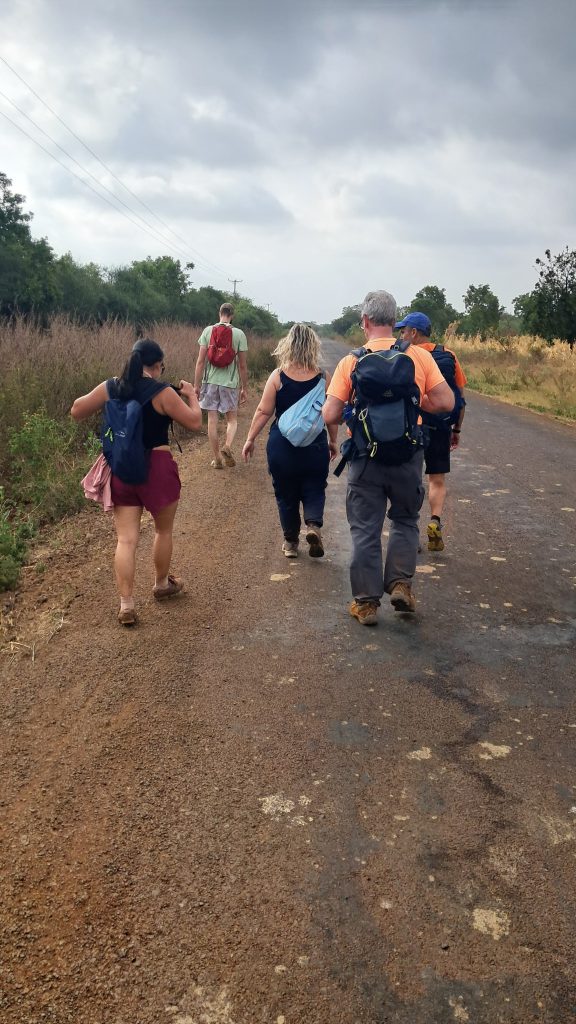
Accompanied by an experienced ranger, walking safaris offer a more intimate encounter with the wild — from tracking animal prints to learning about local plants, insects, and smaller wildlife.
Pro Tip: Consider booking a walking safari with a knowledgeable guide. It offers an immersive experience, allowing you to observe nature up-close while learning about the local flora and fauna.
Fishing
Unique to Meru, fishing in the Tana or Rojewero Rivers can be a tranquil and rewarding experience. You may catch catfish or tilapia while surrounded by pristine wilderness.
Bird Watching
With varied habitats, the park is ideal for spotting everything from fish eagles and herons to colorful rollers and sunbirds.
Sundowners & Bush Meals
Few experiences rival sipping a cool drink as the sun sets over the African plains. Many lodges organize sundowners or bush breakfasts/lunches in scenic spots within the park.
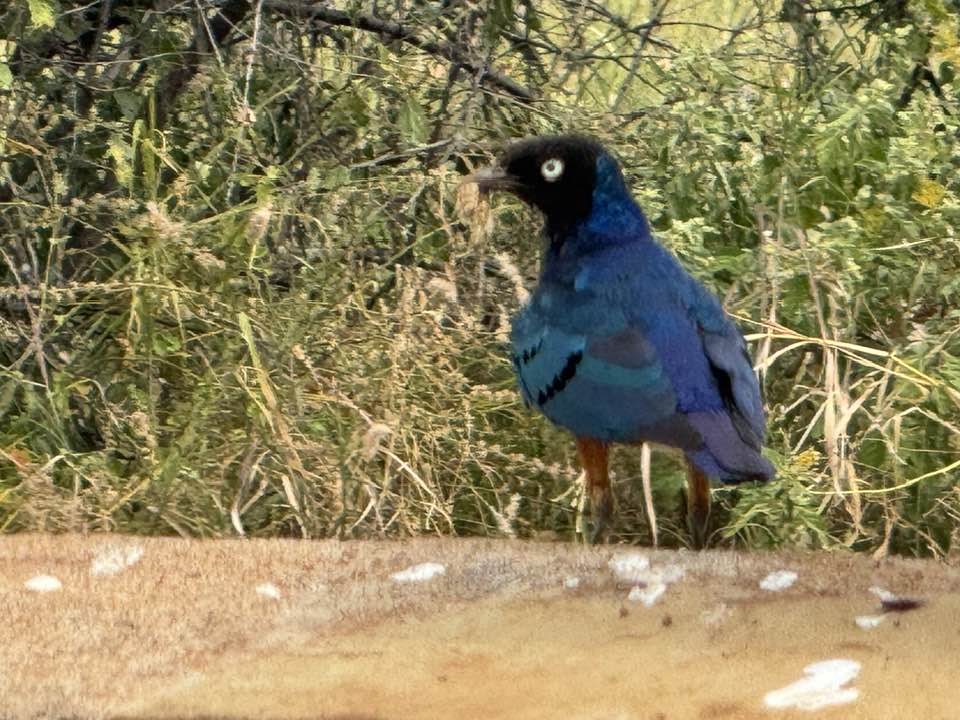
Did you know? Meru’s diverse landscapes include savannah, forest, and wetlands, making it an excellent destination for birdwatching enthusiasts. Over 400 bird species call this park home!
After a rewarding safari in Meru, a trip to the nearby Lake Naivasha is highly recommended for its scenic beauty and abundant wildlife. Meru’s raw and remote beauty can be complemented with a visit to Lake Naivasha, offering more wildlife and natural wonders. Check out our guide to the fascinating aspects of this nearby destination.
5. Where to Stay in Meru National Park: Lodges, Camps & Bandas
Depending on your preferences, Meru National Park offers a range of accommodations to suit your needs. Whether you’re looking for budget-friendly options or a luxury experience, Meru offers a range of accommodations that blend beautifully into the landscape. Stay in the heart of nature while enjoying comfort at its best.
Luxury Lodges
- Elsa’s Kopje: Built into Mughwango Hill near where Elsa was released, this eco-luxury lodge is renowned for its panoramic views, exceptional service, and conservation legacy.
- Rhino River Camp: Set in a lush forest on the edge of the park, this intimate camp offers luxury tents and tranquil surroundings.
Mid-Range and Budget Options
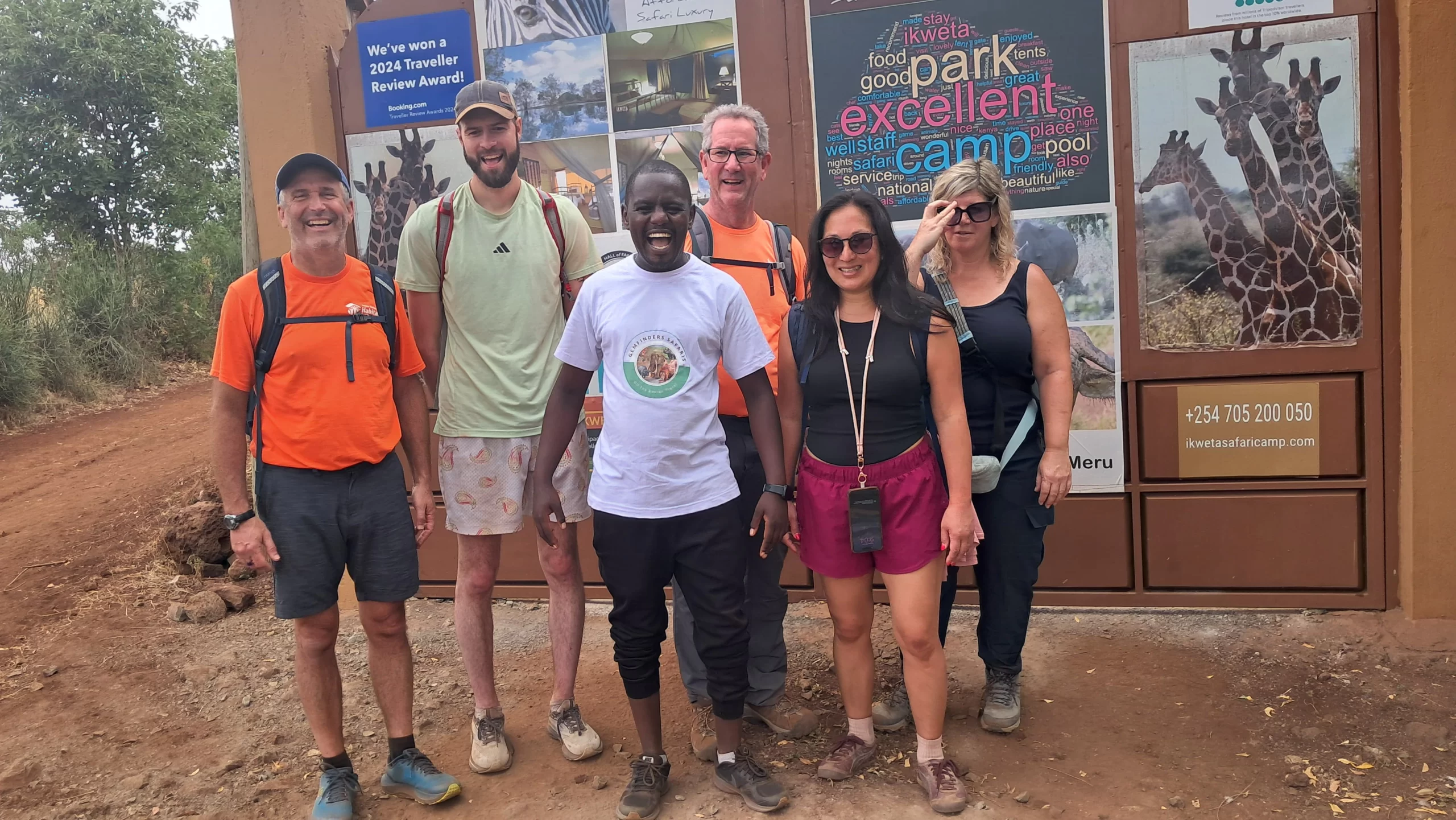
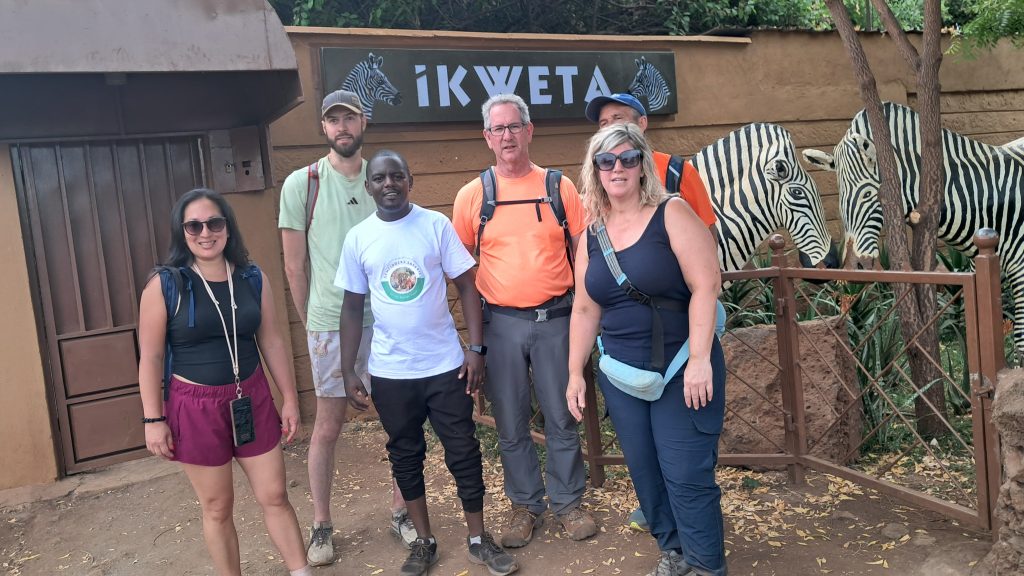
- iKWETA Safari Camp: A clean, well-run mid-range camp near the Murera Gate with tented accommodation and good food.
- Leopard Rock Lodge: Combines comfort and charm in a riverfront setting.
Camping and Bandas
For self-sufficient travelers, KWS-run campsites and bandas offer a more rustic but affordable experience within the park’s gates.
Whether you’re planning a luxury experience or a budget-friendly adventure, there’s a perfect package for your Meru safari. Planning your safari experience in Meru? Learn more about the different safari packages available, from budget-friendly options to luxurious escapes.
6. Sustainable Travel: Conservation Efforts in Meru National Park
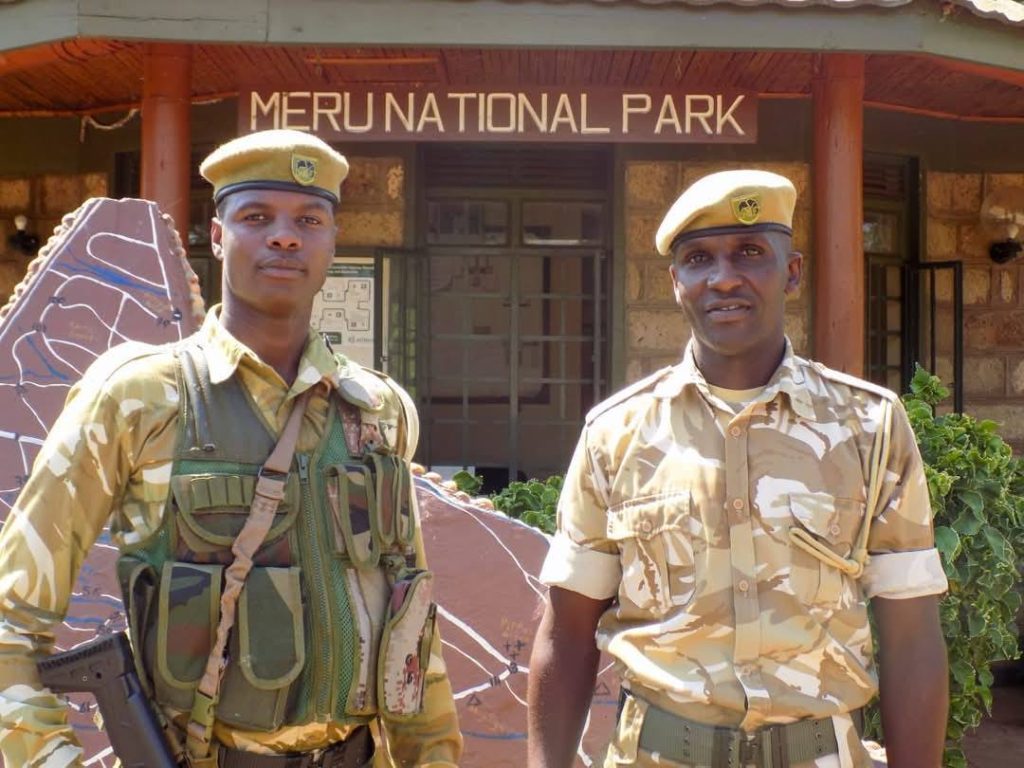
Meru stands as a beacon of what determined conservation can achieve. Today, its rhino sanctuary, anti-poaching units, and community partnerships ensure that the park continues to thrive.
You can contribute to sustainable travel in Meru by:
- Staying at eco-certified lodges that minimize environmental impact.
- Respecting wildlife viewing ethics — no littering, off-road driving, or loud disturbances.
- Supporting community guides and experiences, where fees go directly to local families.
- Offsetting your travel carbon footprint and avoiding single-use plastics.
Your presence helps fund park operations, support ranger programs, and promote harmony between humans and wildlife.
Meru National Park is not only a haven for wildlife but also holds significant cultural and natural importance on a global scale. Recognized for its rich biodiversity and conservation efforts, the park contributes to Kenya’s vast natural heritage. For a deeper dive into Meru’s cultural and environmental significance, explore more on the UNESCO website, where you can learn about its place in the context of Kenya’s UNESCO World Heritage sites.
Did you know? Meru National Park is home to rare wildlife, including the Grevy’s zebra, which is found only in select areas of Kenya. Spotting these majestic creatures during your safari will be an unforgettable highlight!
To fully immerse yourself in Meru’s wildlife and culture, it’s essential to plan your safari itinerary. Check out our Meru National Park safari itineraries to help you plan the perfect trip. From guided game drives to cultural tours, we’ve tailored these itineraries to ensure you experience the best of Meru.
Conclusion: Discover Meru National Park with Gemfinders Safaris
Meru National Park is a destination that offers unmatched beauty, adventure, and wildlife encounters. With its raw, remote charm and rich cultural experiences, it’s a must-visit for any safari enthusiast. Whether you’re looking for a luxury getaway or an affordable adventure, Meru has something for everyone.
Ready to explore Meru National Park? Contact Gemfinders Safaris today to book your customized safari experience. We’ll help you craft the perfect trip, tailored to your preferences and budget, ensuring you make the most of your time in this incredible park. Discover Meru’s hidden gems with us — your unforgettable safari adventure awaits!