
Kenya’s wildlife conservancies are not just places to see wildlife—they’re crucial to preserving endangered species and ecosystems. For those looking to take part in this mission while experiencing the wild beauty of Kenya, here are 5 outstanding conservancies you should consider visiting. They offer incredible opportunities to get up close with nature, all while supporting conservation efforts that ensure the future of Africa’s incredible biodiversity.
1. Ol Pejeta Conservancy
- History: Ol Pejeta Conservancy, located in Laikipia County, Kenya, was initially established in 1988 as a private ranch, with a vision to create a sanctuary for endangered species. Over the years, it has grown into one of Kenya’s most successful wildlife conservancies.
- Location: Situated at the foothills of the Aberdare Mountains, Ol Pejeta lies in central Kenya, approximately 200 kilometers north of Nairobi. It is easily accessible from the capital, making it a popular destination for wildlife enthusiasts.
- Size: Ol Pejeta spans about 90,000 acres (36,000 hectares), making it one of the largest conservancies in the region.
- Main Conservation Focus: Ol Pejeta is renowned for its work in rhino conservation, particularly the protection of both black and white rhinos. It is home to the last two northern white rhinos in the world, and it is also a sanctuary for endangered chimpanzees, with a sanctuary for rescued individuals. Additionally, the conservancy is home to a wide variety of other wildlife, including elephants, lions, and leopards.
- Recommended Accommodation: Pelican House
Pelican House offers a luxurious and secluded stay within the conservancy. Situated on the banks of the Ewaso Nyiro River, it provides stunning views of the surrounding wildlife and offers a high-end, intimate experience with personalized service. The house is perfect for those seeking comfort while being immersed in nature.
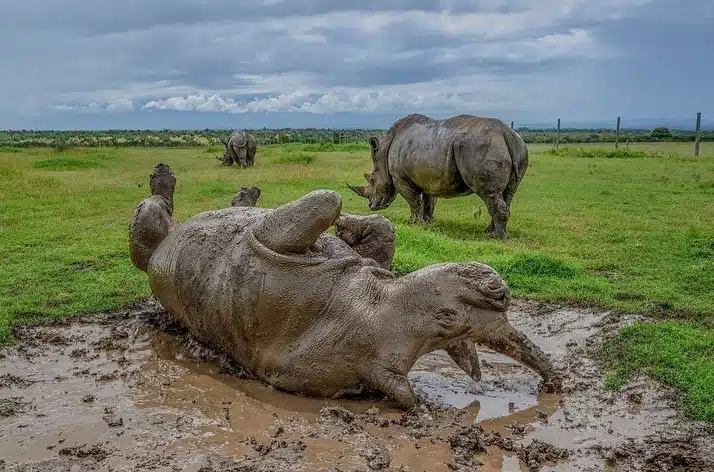
Ol Pejeta’s commitment to wildlife conservation offers guests a chance to witness some of Africa’s most iconic species while contributing to their survival. This renowned conservancy is home to the world’s last two northern white rhinos and also hosts a variety of wildlife species, including lions, cheetahs, and elephants.
Pro Tip: For a truly unforgettable experience, try the night game drives at Ol Pejeta to see nocturnal animals in action. It’s a completely different perspective of the wildlife here.
Ol Pejeta’s efforts in protecting endangered species, like the northern white rhino, align closely with the work done at the David Sheldrick Elephant Orphanage, which rescues and rehabilitates orphaned elephants. If you’re passionate about wildlife conservation, a visit to both places is highly recommended.
2. Lewa Downs Wildlife Conservancy
- History: Lewa Downs was established in 1995 as a private conservancy dedicated to wildlife protection and community development. The conservancy has played a significant role in conserving the endangered Grevy’s zebra and the black rhino population in the area.
- Location: Lewa Downs is located in the northern part of Kenya, about 250 kilometers north of Nairobi, in Laikipia County. It lies at the foot of Mount Kenya, offering breathtaking views of the mountain and surrounding plains.
- Size: The conservancy covers around 65,000 acres (26,000 hectares).
- Main Conservation Focus: Lewa Downs focuses on the conservation of endangered species, including the Grevy’s zebra, black rhino, and other rare animals like the Somali ostrich. It also emphasizes the importance of preserving the region’s biodiversity and sustainable land use practices. Lewa has been successful in increasing the number of rhinos and other wildlife in the area, making it one of the leading conservancies for wildlife protection in Kenya. Lewa Conservancy Hosts the Iconic Safaricom Marathon, Blending Conservation and Sport. Held annually, the marathon raises crucial funds for wildlife conservation and community development in the region. Participants from around the world race through Kenya’s breathtaking landscapes, supporting both the environment and local communities.
- Recommended Accommodation: Lewa Safari Lodge
Lewa Safari Lodge offers an intimate and luxurious experience with excellent opportunities for game drives, guided walks, and a chance to see Lewa’s incredible wildlife. The lodge blends beautifully with its natural surroundings and provides guests with an authentic and immersive experience in the heart of the conservancy.
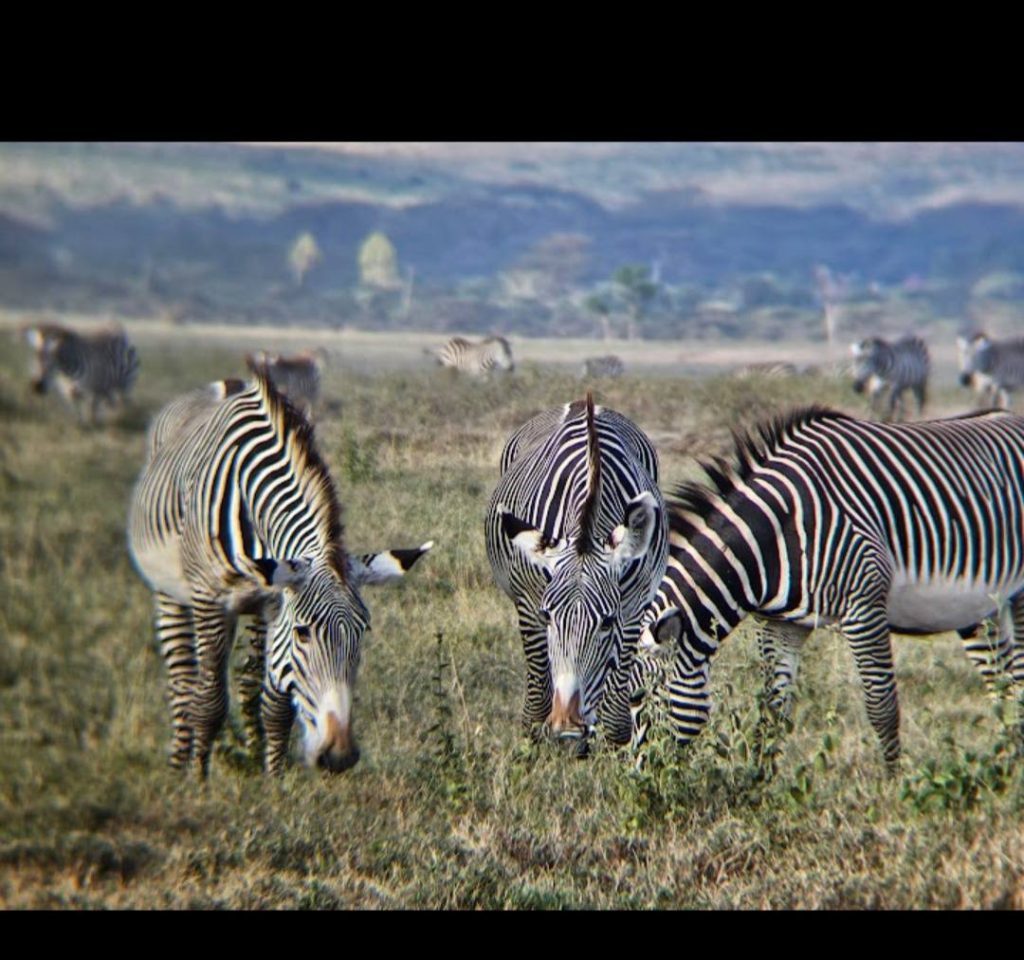
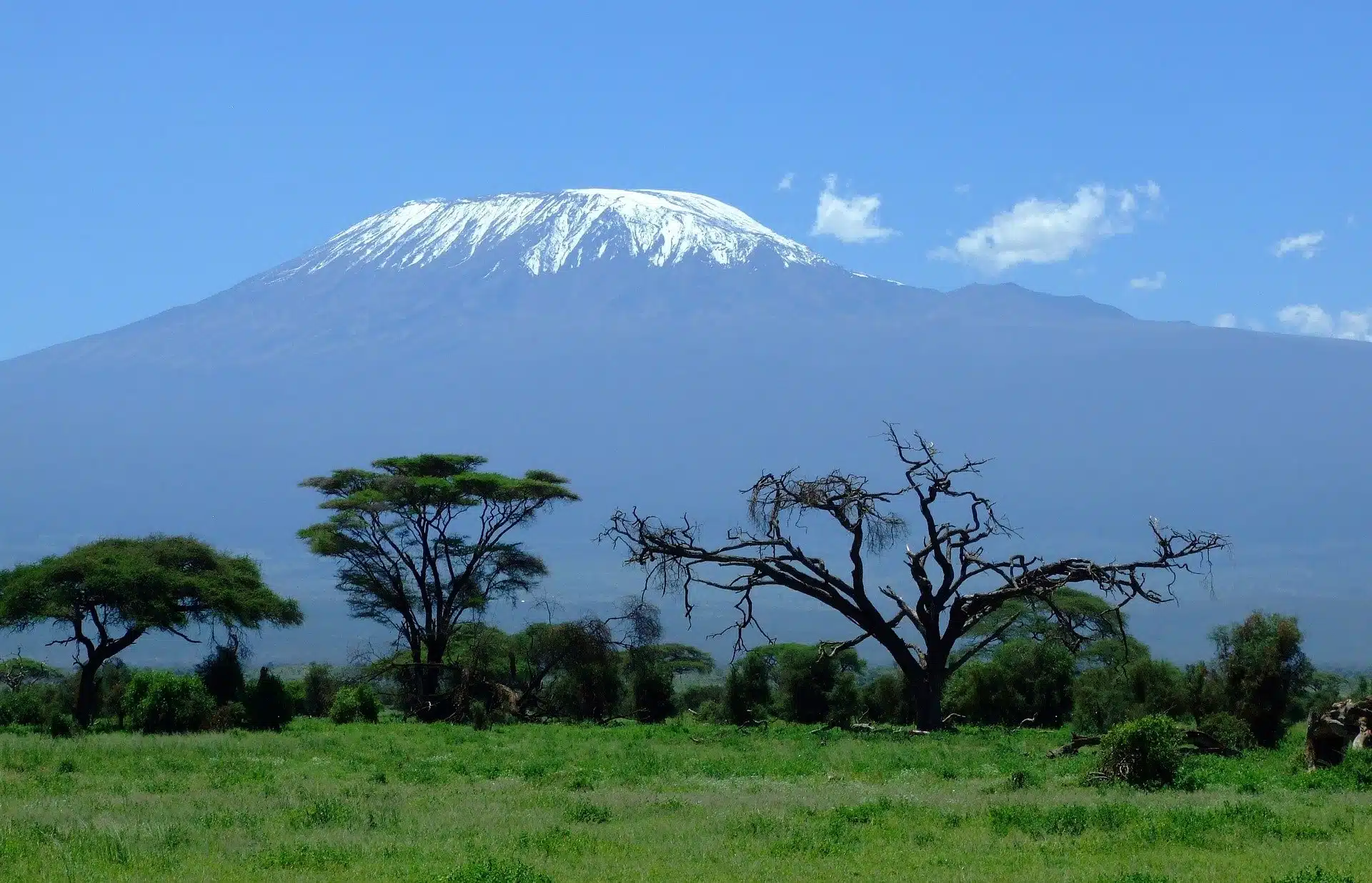
Visitors interested in a different side of Kenya’s diverse wildlife offerings should also consider exploring Amboseli National Park, famous for its stunning views of Mount Kilimanjaro and herds of elephants, which is not far from Lewa Downs and makes for an amazing extension to your safari.
Did You Know? Lewa Downs is one of Kenya’s most successful rhino sanctuaries, home to over 130 black rhinos. Their ongoing conservation efforts are vital for keeping the species from extinction.
3. Loisaba Conservancy
- History: Loisaba Conservancy, established in 1998, is one of the pioneers in sustainable wildlife conservation in Kenya. The conservancy was created as a partnership between landowners and conservationists to protect wildlife and support local communities.
- Location: Located in the Laikipia region, Loisaba is set in an expansive area that offers stunning views of the Mathews Mountains and the Great Rift Valley. It is situated approximately 150 kilometers north of Nanyuki, Kenya.
- Size: Loisaba spans about 56,000 acres (22,600 hectares).
- Main Conservation Focus: Loisaba’s conservation efforts focus on the protection of iconic African species, such as elephants, lions, leopards, and endangered wild dogs. It is also home to the successful reintroduction of species like the reticulated giraffe. Additionally, Loisaba works on habitat restoration, community engagement, and promoting ecotourism.
- Recommended Accommodation: Elewana Loisaba Tented Camp
The Elewana Loisaba Tented Camp provides an extraordinary experience for travelers looking for luxury in the wild. The camp offers a blend of opulence and adventure with stunning views of the surrounding landscape, as well as various activities such as game drives and night safaris. The camp offers a peaceful retreat while being close to Loisaba’s wildlife-rich surroundings.
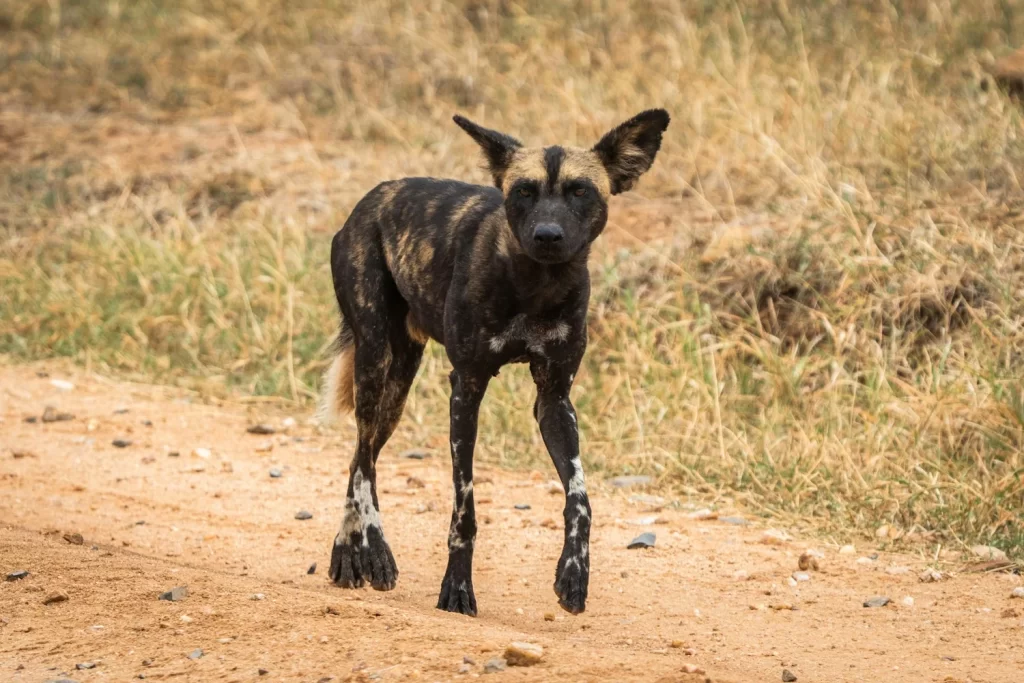
Pro Tip: Loisaba’s horseback safaris offer a unique way to view wildlife. The vast open spaces and proximity to wildlife make this experience a one-of-a-kind adventure.
4. Borana Conservancy
- History: Borana Conservancy was established in the early 1990s and has been pivotal in the conservation of endangered species, particularly black rhinos. It has grown over time to become a successful model for wildlife conservation and community development.
- Location: Borana Conservancy is located in the Laikipia region, north of Nairobi, and lies near the foothills of Mount Kenya. Its diverse landscapes, ranging from savannahs to forests, make it a rich ecological area.
- Size: The conservancy covers approximately 35,000 acres (14,000 hectares).
- Main Conservation Focus: Borana is known for its work in black rhino conservation and its commitment to maintaining a balanced ecosystem. Besides rhinos, the conservancy is home to a variety of wildlife, including elephants, cheetahs, and a rich birdlife. Borana also works closely with surrounding communities to promote conservation and sustainable land use.
- Recommended Accommodation: Borana Lodge
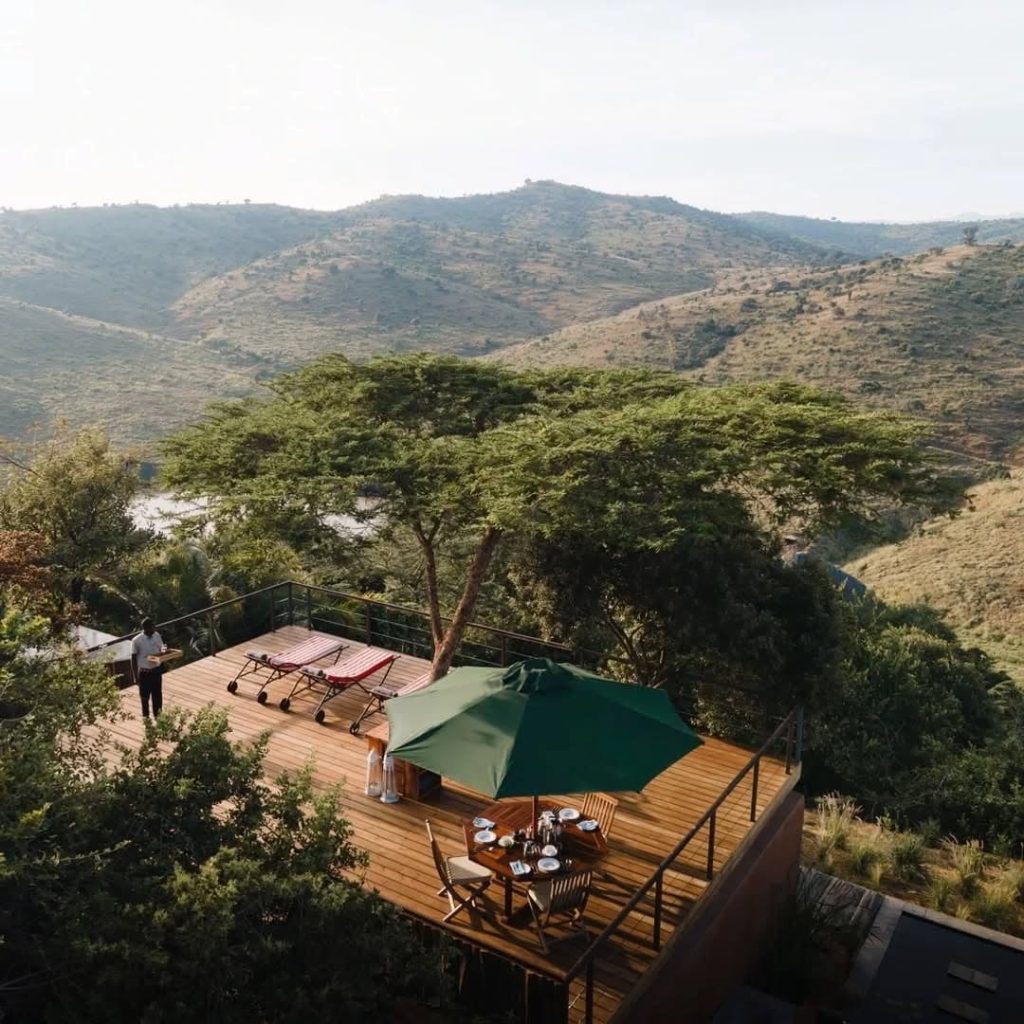
Borana Lodge offers an exclusive and luxury experience with stunning views of Mount Kenya and the conservancy’s vast landscapes. The lodge’s charm lies in its blend of elegance and rustic style, with opportunities for game drives, horseback riding, and even walking safaris. Its intimate and personal atmosphere makes it a perfect base for exploring Borana Conservancy.
5. Taita Hills Wildlife Sanctuary
- History: Taita Hills Wildlife Sanctuary was established to protect the unique wildlife and ecosystems of the Taita Hills region. The sanctuary was created as a collaborative effort between local communities, the government, and conservation organizations.
- Location: Located in the southeast of Kenya, the Taita Hills Wildlife Sanctuary is near the foot of Mount Kasigau and lies within the Taita Taveta County, close to the borders of both Kenya and Tanzania.
- Size: The sanctuary covers approximately 28,000 acres (11,000 hectares).
- Main Conservation Focus: The sanctuary focuses on preserving the biodiversity of the region, especially the Taita Hills’ unique ecosystems. It is home to a wide range of species, including elephants, buffaloes, antelope, and various bird species. Additionally, the sanctuary provides a critical habitat for endangered species like the Taita apalis (a rare bird) and various flora.
- Recommended Accommodation: Salt Lick Lodge Taita Hills
Salt Lick Lodge offers a truly unique accommodation experience with its distinctive architectural style and panoramic views of the sanctuary. The lodge is renowned for its elevated, circular design, providing guests with unparalleled views of wildlife visiting the nearby watering holes. It is a great choice for those wanting to combine comfort with a genuine wildlife experience.
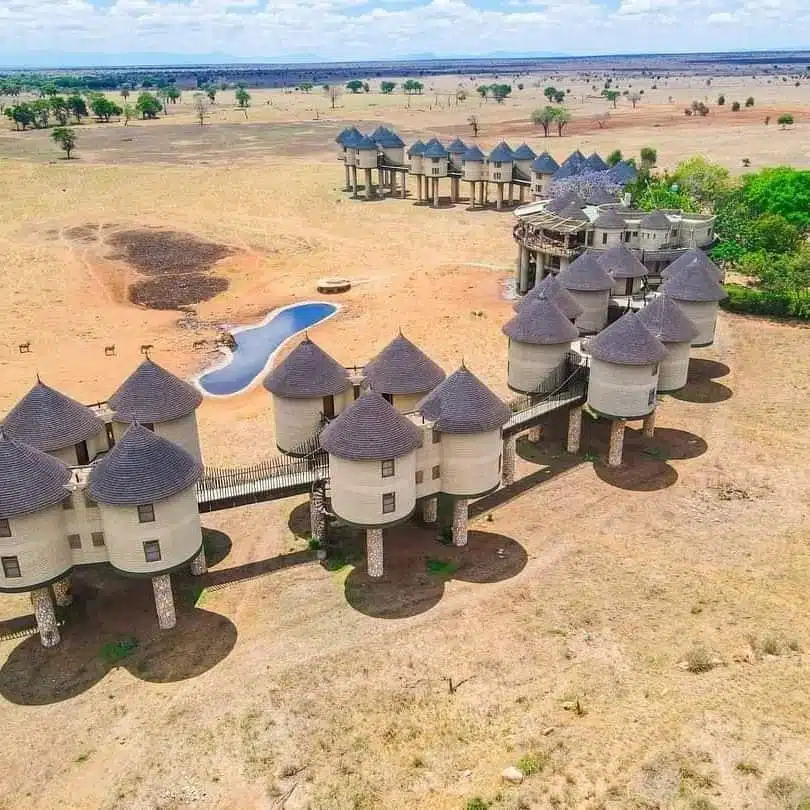
Taita Hills offers an idyllic escape for families and wildlife lovers. Beyond the animals, the sanctuary’s breathtaking landscapes provide the perfect backdrop for a peaceful and rejuvenating safari experience.
If you’re particularly interested in Kenya’s world-renowned Masai Mara ecosystem, the Masai Mara Conservancies offer some of the most exclusive wildlife experiences in the country. From intimate safari encounters to exceptional conservation efforts, this region is a must-visit for any safari enthusiast.
Conclusion
Each of these conservancies is part of Kenya’s broader conservation effort, which involves not just preserving wildlife, but also ensuring sustainable development for local communities. To learn more about how you can contribute to the preservation of Kenya’s diverse ecosystems, visit WWF’s Kenya Conservation page for more information on ongoing efforts and how you can get involved.
If you’re ready to embark on a safari adventure that supports conservation, explore our Kenya Safari Packages and choose the perfect destination for your next adventure.