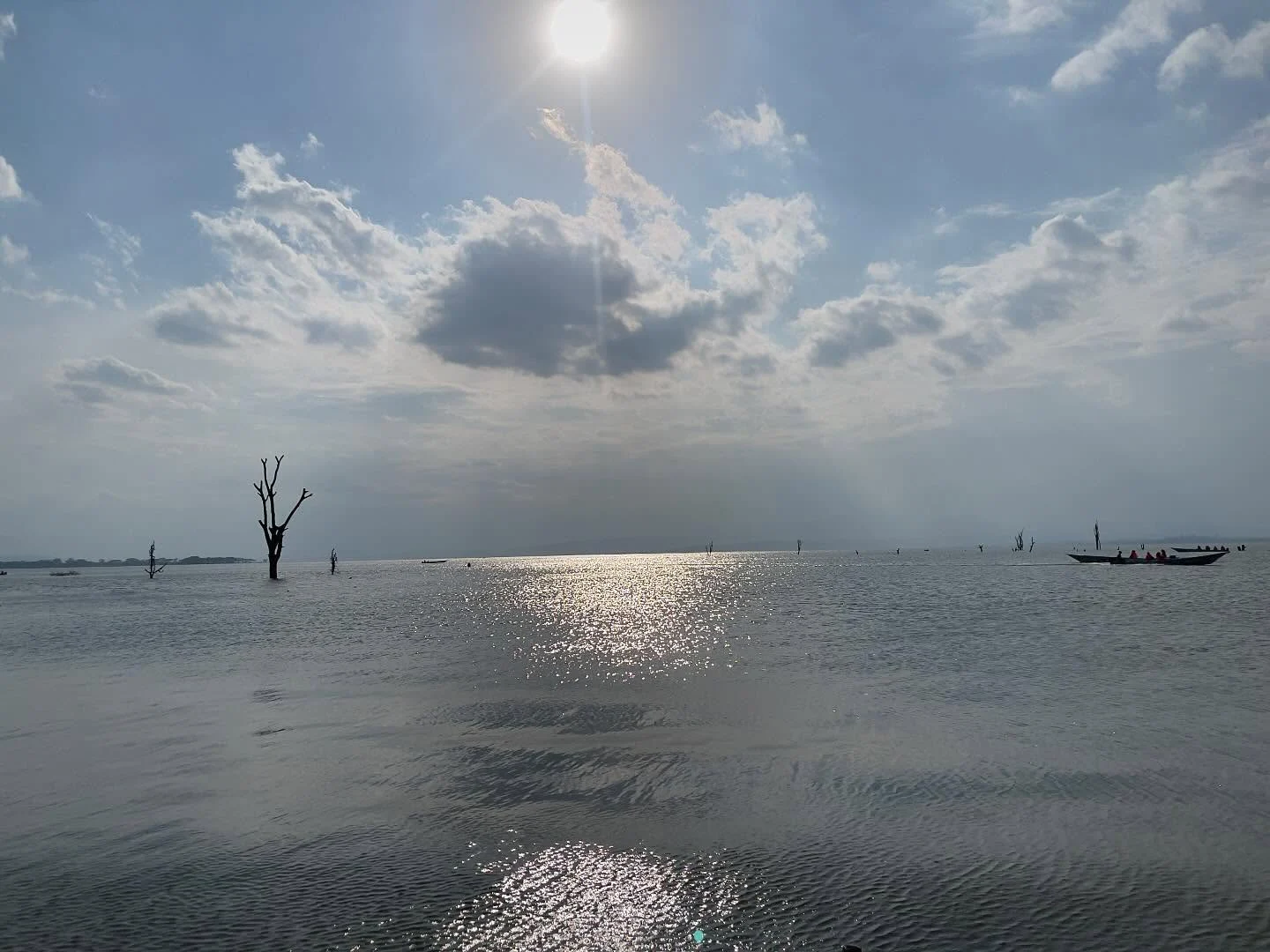
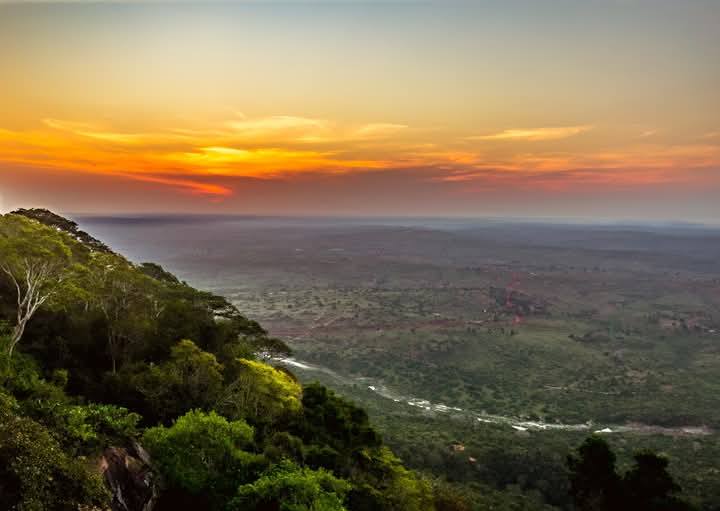
Fun Fact: Did you know? The word “Shimba” is believed to come from the Digo language, often linked to forests or hills. It reflects the lush, elevated landscape of Shimba Hills National Reserve.
Want to explore more national parks and reserves across Kenya? Check out our Kenya Safari Destinations for detailed guides on places like Amboseli, Tsavo, Samburu, and beyond — each with its own charm, wildlife, and landscapes.
1. History of Shimba Hills National Reserve
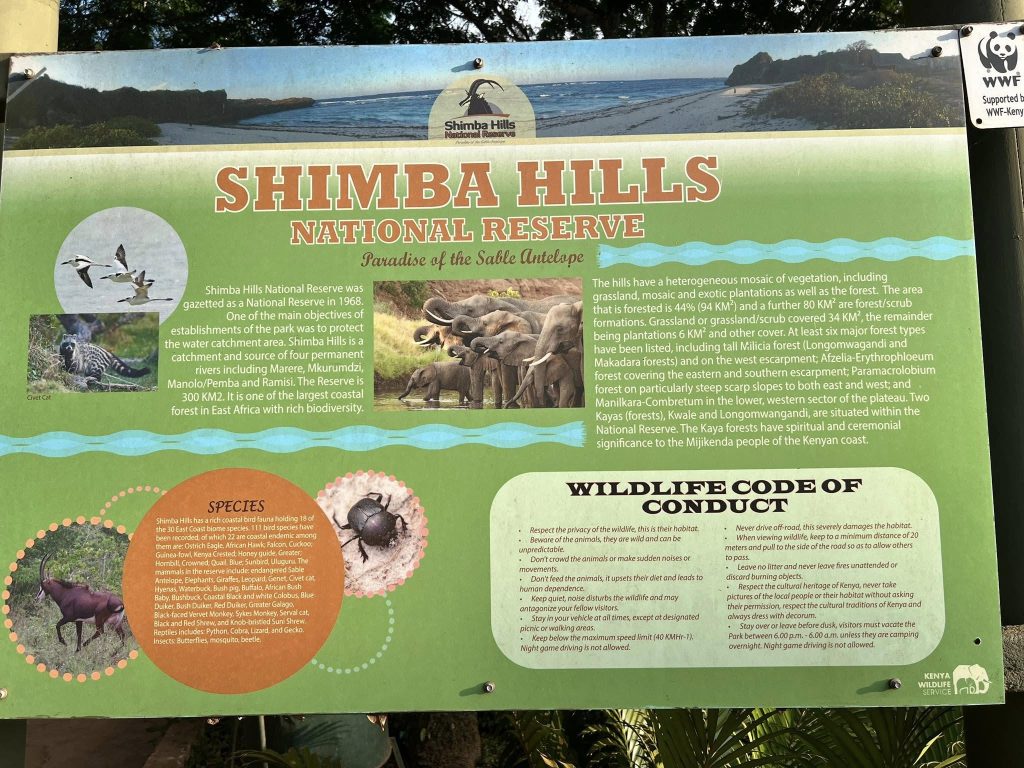
Shimba Hills National Reserve, located in southeastern Kenya, is known for its unique landscape and rich biodiversity. The region was originally inhabited by the Digo people, a subgroup of the Mijikenda ethnic group. The Digo have long relied on the area’s natural resources, which are abundant due to its lush forests and elevated terrain. Over time, the hills became recognized for their ecological significance.
In the early 20th century, Shimba Hills was designated as a protected area to conserve its diverse wildlife. The reserve is home to a variety of species, including the endangered sable antelope, making it a key conservation site. Its diverse habitats—ranging from dense forests to open grasslands—provide sanctuary for both common and rare wildlife.
Today, Shimba Hills National Reserve remains one of Kenya’s most treasured natural areas, drawing visitors from around the world. Its vibrant ecosystem, spectacular views, and unique flora and fauna make it a must-visit destination for nature enthusiasts and wildlife lovers alike.
If you’re interested in learning about other lesser-known gems that blend history and biodiversity, explore our guide to Lake Turkana – The Jade Sea.
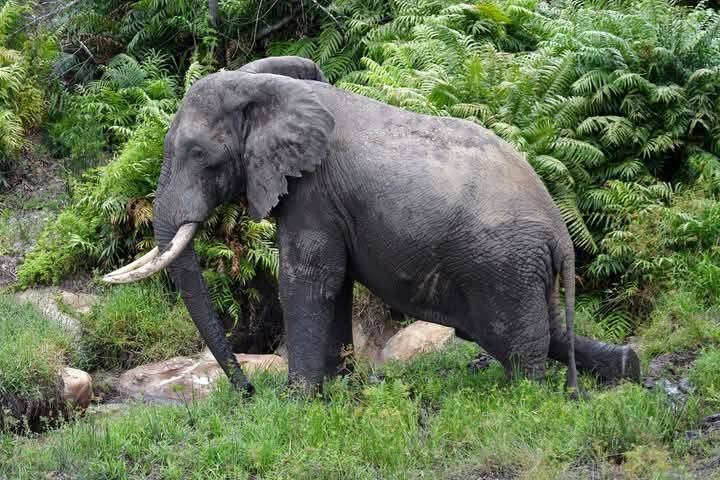
2. Wildlife of Shimba Hills National Reserve
Shimba Hills National Reserve is home to a rich variety of wildlife, making it a prime destination for nature lovers and wildlife enthusiasts. The reserve is renowned for its population of endangered sable antelope, which is found only in this region of Kenya. The diverse ecosystems within Shimba Hills, from lush forests to open grasslands, support a wide range of species, including elephants, buffaloes, giraffes, and antelopes.
In addition to these larger mammals, Shimba Hills is also home to numerous bird species, making it a birdwatcher’s paradise. The reserve’s dense forests provide shelter for various species of monkeys, including sykes monkeys and colobus monkeys. Reptiles and amphibians also thrive in the area, further contributing to the reserve’s ecological diversity.
Shimba Hills National Reserve’s rich wildlife, combined with its stunning scenery, offers visitors an unparalleled safari experience. Whether you’re tracking elephants through the forest or observing rare bird species, Shimba Hills is a must-visit for anyone interested in Kenya’s natural wonders.
Curious about which parks are best for different types of wildlife? Our Kenya Safari Experiences breaks it down — from birding and big cats to forest walks and cultural safaris.
If elephant conservation excites you, you’ll also enjoy our article on the Elephant Twins Born in Kenya. It’s a rare and touching glimpse into Kenya’s commitment to wildlife protection.
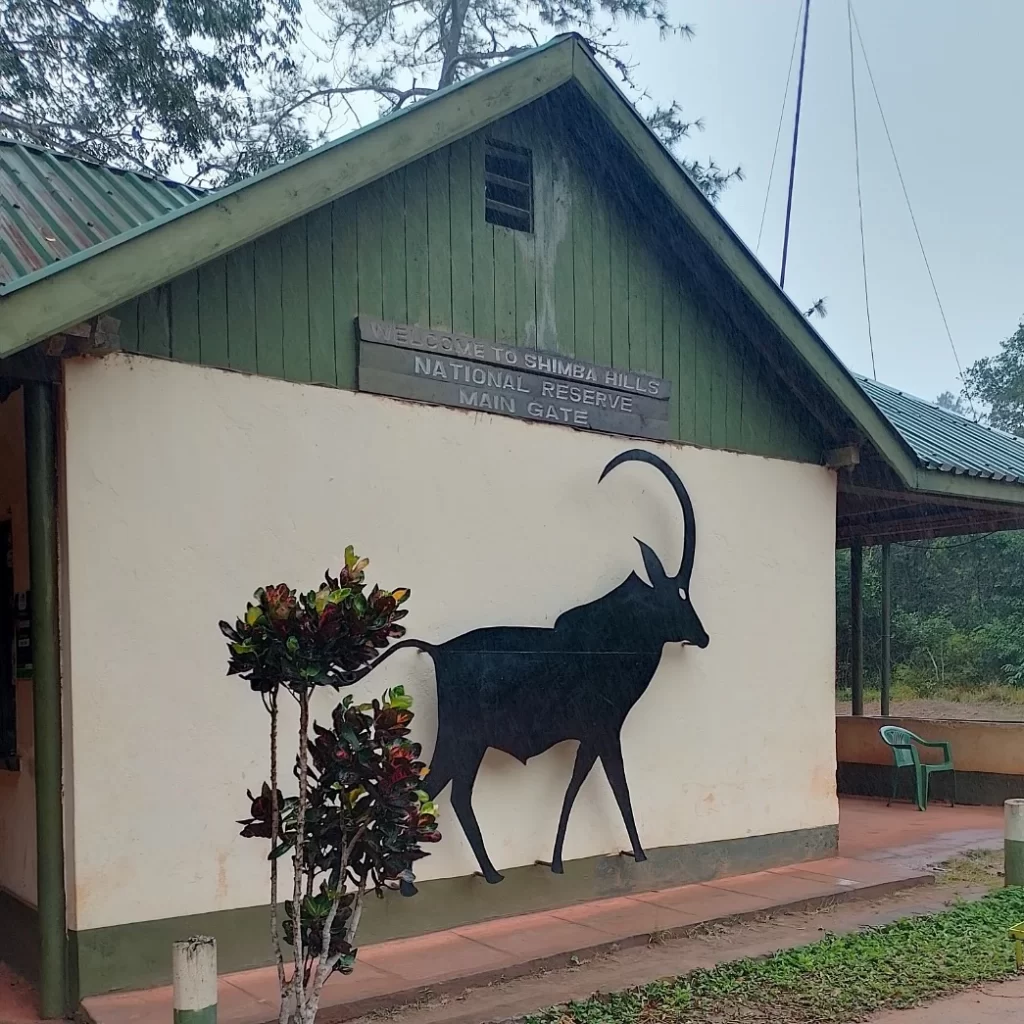
3. Culture Around Shimba Hills National Reserve
The culture around Shimba Hills National Reserve is deeply rooted in the traditions of the Digo people, a subgroup of the Mijikenda ethnic group. For centuries, the Digo have lived in the coastal region of Kenya, with Shimba Hills being a central part of their ancestral lands. Their culture is rich in folklore, music, dance, and crafts, and they have a profound connection to the natural environment around them.
The Digo people traditionally practice subsistence farming, growing crops such as cassava, maize, and bananas, and they have a strong heritage of forest conservation. Many of their rituals and ceremonies are tied to the land, including offerings to spirits and the protection of sacred groves. The culture of the Digo is also closely linked to the diverse wildlife of Shimba Hills, with their beliefs often intertwining with the natural world.
In recent years, there has been a growing effort to preserve both the cultural heritage of the Digo people and the natural beauty of Shimba Hills. Community-based tourism initiatives now offer visitors a chance to explore the cultural practices of the local people, from traditional dances to handicrafts, while promoting conservation efforts in the reserve. This blend of cultural and ecological preservation makes Shimba Hills National Reserve a unique destination for those seeking both nature and cultural experiences.
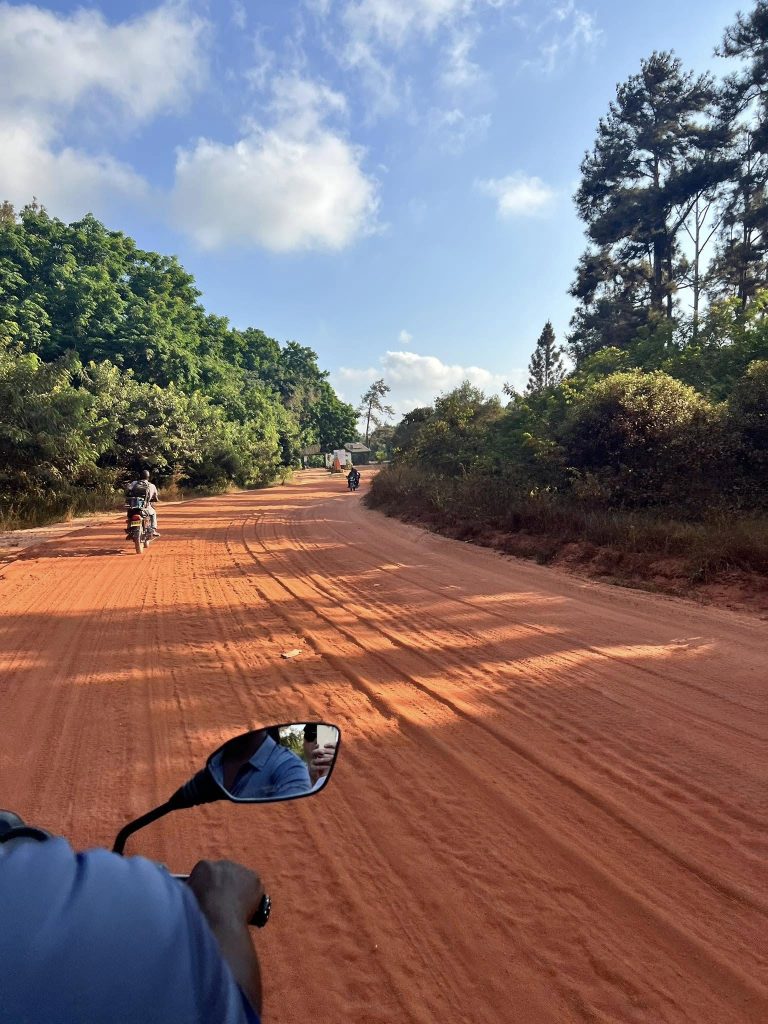
4. Top Things to Do in Shimba Hills National Reserve
Shimba Hills National Reserve offers a variety of exciting activities for visitors looking to explore its unique landscapes, diverse wildlife, and vibrant local culture. Whether you’re interested in thrilling safari game drives, peaceful nature walks, or learning about the traditions of the Digo people, there’s something for everyone. The reserve’s stunning forests, grasslands, and scenic viewpoints provide the perfect setting for outdoor adventures and relaxation. From bird watching to cultural tours, Shimba Hills is a must-visit destination for anyone seeking a memorable Kenyan experience.
Here are five major activities to experience around Shimba Hills National Reserve:
- Safari Game Drives ?
Shimba Hills offers unforgettable safari game drives through its diverse ecosystems. Visitors can spot a wide range of wildlife, including the endangered sable antelope, elephants, buffaloes, giraffes, and various species of monkeys. The reserve’s well-maintained roads provide easy access to different habitats, making it perfect for wildlife enthusiasts and photographers. - Hiking and Nature Walks
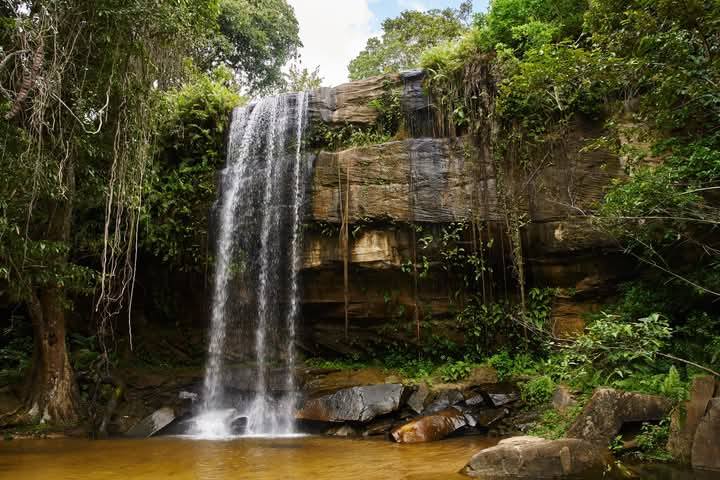
For those who love adventure and the outdoors, Shimba Hills provides several hiking trails that take you through its lush forests and open grasslands. The Sheldrick Falls hike is particularly popular, offering a stunning view of the waterfall and the surrounding landscape. Nature walks led by local guides offer deeper insights into the flora, fauna, and the cultural history of the region. - Bird Watching
Shimba Hills is a haven for birdwatchers, home to over 150 bird species. The dense forests and open savannahs provide the perfect habitats for both resident and migratory birds. Rare species like the African crowned eagle and hornbills are often spotted. Birdwatching tours allow visitors to enjoy the reserve’s rich avian diversity in a tranquil environment. - Cultural Tours with the Digo People
Explore the vibrant culture of the Digo people, the local community surrounding Shimba Hills. Visitors can learn about traditional customs, dances, music, and crafts. Cultural tours offer a chance to witness firsthand the deep connection between the Digo community and the land, and also participate in activities such as local cooking or basket weaving. - Picnicking and Scenic Viewing
Shimba Hills offers several scenic spots perfect for picnicking and relaxing. With panoramic views of the reserve’s rolling hills and lush forests, it’s an ideal setting to unwind while enjoying the natural beauty. Visitors can also enjoy the peaceful atmosphere, making it a perfect spot for photography or simply soaking in the serene surroundings.
These activities make Shimba Hills National Reserve an exceptional destination for adventure, culture, and wildlife experiences.
✅ Pro Tip: Shimba Hills is best visited between June and September, when wildlife viewing is optimal and the weather is cooler. Combine it with Diani Beach or Tsavo East for a diverse and rewarding itinerary.
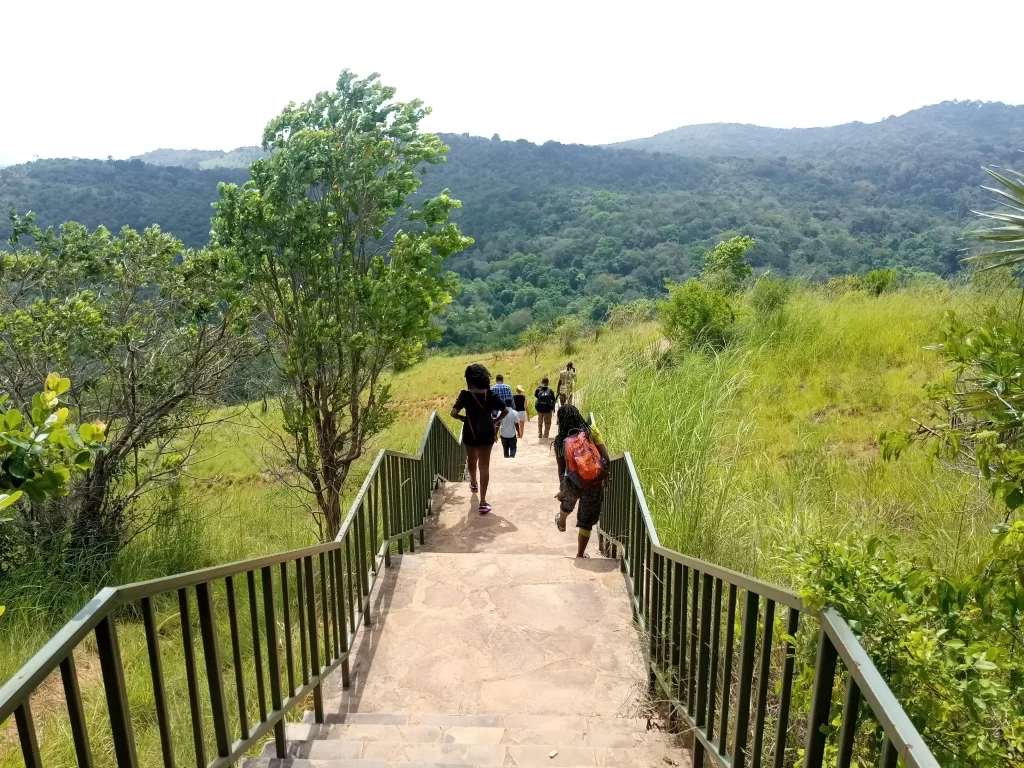
5. Conservation and Sustainable Travel in Shimba Hills National Reserve
Shimba Hills National Reserve is a prime example of conservation efforts aimed at protecting both wildlife and the environment. As home to endangered species like the sable antelope, elephants, and a variety of bird species, the reserve plays a crucial role in preserving Kenya’s rich biodiversity. Conservation initiatives in Shimba Hills focus on habitat restoration, wildlife monitoring, and anti-poaching measures, ensuring the long-term survival of the area’s unique ecosystems.
Sustainable travel practices are also encouraged in and around the reserve. Visitors are urged to respect the local environment, minimize waste, and follow guidelines that protect both wildlife and the natural landscape. Eco-friendly accommodations and community-based tourism projects help support the local economy while promoting environmental stewardship. By choosing responsible travel options, tourists contribute to the conservation efforts that help maintain the ecological balance of Shimba Hills National Reserve for future generations.
The forested portion of the reserve is overseen by the Kenya Forest Service, which supports reforestation and eco-tourism initiatives in managed forests like Shimba Hills Forest Reserve.
With a growing focus on sustainable tourism, Shimba Hills National Reserve offers an opportunity for travelers to enjoy the natural beauty of Kenya while actively participating in conservation and promoting sustainable travel practices.
Did You Know? The Shimba Hills ecosystem is one of the last remaining habitats for the rare sable antelope in Kenya — and one of the very few places in East Africa where they can still be seen in the wild.
Where to Stay
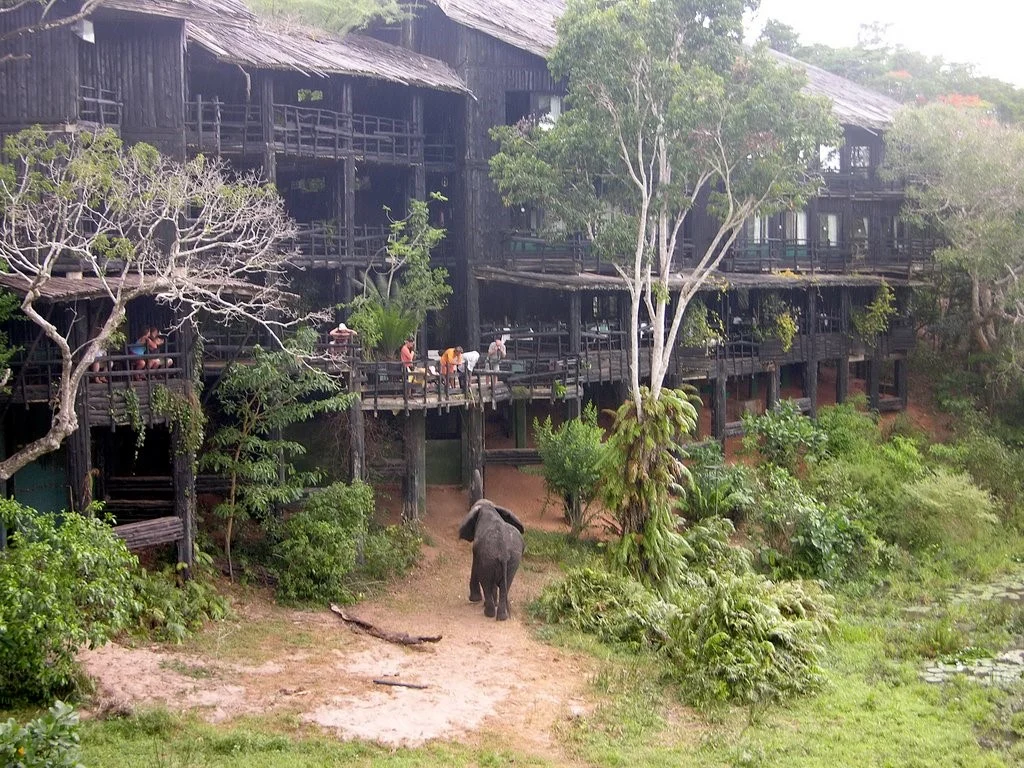
When visiting Shimba Hills National Reserve, you’ll find a range of accommodations to suit different budgets and preferences. Whether you’re looking for a budget-friendly option, a comfortable mid-range stay, or a luxurious retreat, there’s something for every traveler to enjoy.
Budget Accommodation:
For those looking to explore Shimba Hills without breaking the bank, there are several budget-friendly options nearby. Shimba Hills Lodge offers affordable yet comfortable accommodation in a serene setting, with basic amenities and stunning views of the surrounding forests. For a more rustic experience, camping is available at designated sites within or near the reserve, providing a close connection to nature. These budget options allow visitors to enjoy the beauty of Shimba Hills while keeping costs low. Gemfinders Safaris offers customizable itineraries that include these budget accommodations, perfect for those seeking an affordable yet memorable experience.
Mid-Range Accommodation:
If you’re seeking more comfort without the luxury price tag, The Shimba Hills Safari Lodge is a great choice. With spacious rooms, a swimming pool, and a restaurant offering local and international cuisine, this lodge provides a perfect balance of value and comfort. Alternatively, Kamboyo Lodge offers a peaceful retreat with cozy accommodations, excellent customer service, and easy access to the reserve, making it ideal for those who want a more relaxed experience without stretching their budget too far. Gemfinders Safaris offers tailored itineraries that can include these mid-range accommodations for a balanced safari experience.
Luxury Accommodation:
For those looking to indulge in luxury, The Shimba Hills Lodge offers upscale amenities and an exceptional stay, with panoramic views of the reserve and fine dining experiences. Another great option is The African Safari Club, offering top-tier rooms, personalized services, and exclusive safari experiences. These luxury accommodations feature modern comforts, private verandas, and tailored safari itineraries, ensuring a lavish and unforgettable stay while exploring the natural wonders of Shimba Hills. With Gemfinders Safaris, you can enjoy luxury stays paired with customized safari itineraries for an extraordinary travel experience.
Planning your safari by trip length or budget? Browse our Kenya Safari Packages to compare trips by duration, style, and experience — whether you want a 3-day escape or a 10-day circuit.
Conclusion: A Perfect Blend of Wildlife, Culture, and Nature
n conclusion, Shimba Hills National Reserve offers a unique opportunity to immerse yourself in Kenya’s rich wildlife, vibrant culture, and breathtaking landscapes — all while supporting sustainable travel and conservation. Whether you’re dreaming of a quiet forest escape, looking to spot rare species like the sable antelope, or planning a peaceful add-on to a coastal beach trip — Shimba Hills can be that unexpected highlight of your Kenyan journey.
From flexible day tours to longer tailor-made itineraries, we help you discover Kenya’s hidden wonders — at your pace, on your terms.
Shimba Hills is just one piece of the puzzle. Visit our Kenya Safari Durations to see how it can fit into a broader 5-day, 7-day, or custom multi-stop itinerary.
Let us help you plan your perfect safari — today. Your unforgettable journey begins here.