Did You Know?
The name Sibiloi is believed to have originated from the local Gabbra language, one of the ethnic groups living around Lake Turkana in northern Kenya. While the exact linguistic translation is debated, “Sibiloi” is thought to refer to the rocky, windswept plains or hills in the region—descriptive of the harsh, semi-arid landscape where the national park is located.
Brief History of Sibiloi National Park
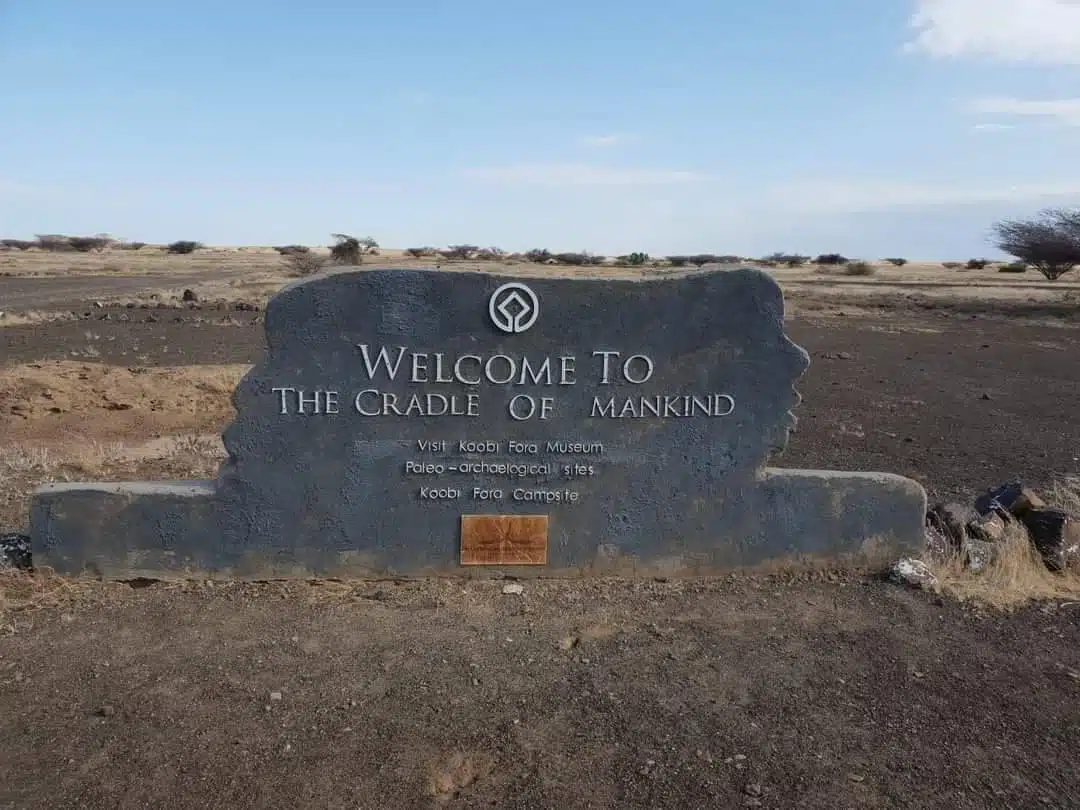
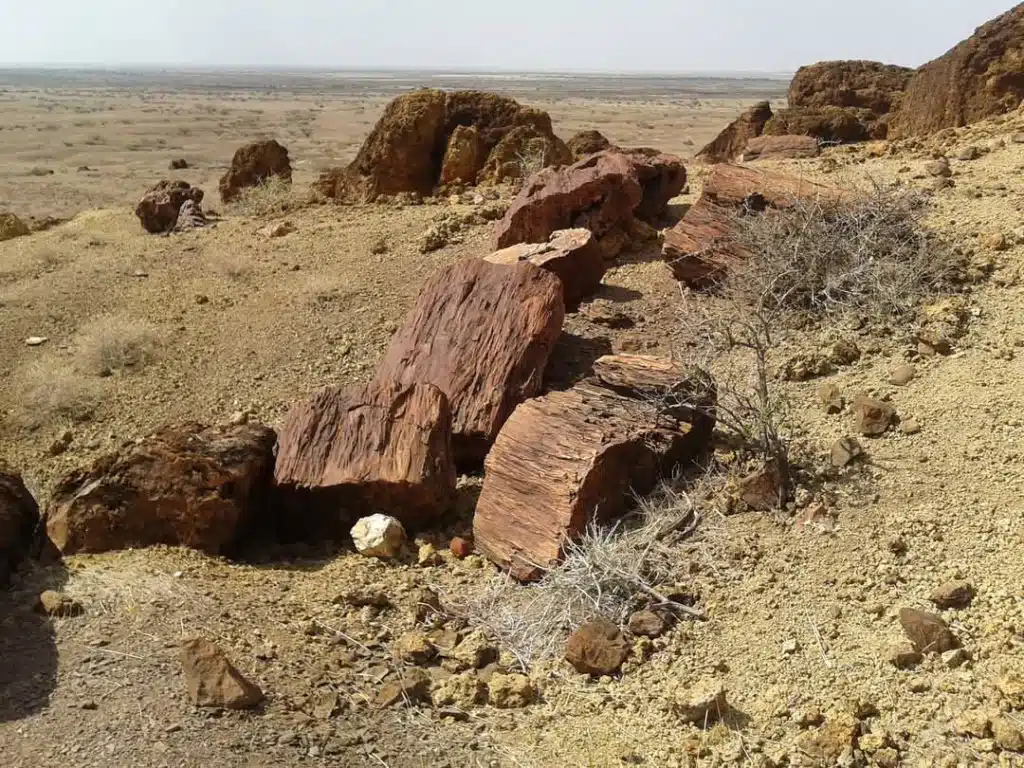
Nestled along the remote northeastern shores of Lake Turkana, Sibiloi National Park is one of Kenya’s most remarkable destinations. Often referred to as the “Cradle of Mankind,” Sibiloi captivates travelers with its blend of prehistoric wonders, rich cultural heritage, and untamed wilderness.
Sibiloi National Park was officially established in 1973 by the Kenya Wildlife Service (KWS) in collaboration with the National Museums of Kenya. Its creation was driven by the need to protect the area’s globally significant paleontological and archaeological sites, particularly those around Koobi Fora, on the northeastern shore of Lake Turkana.
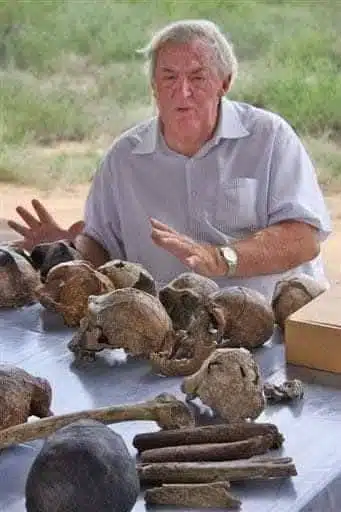
In the late 1960s and early 1970s, the renowned Leakey family—particularly Dr. Richard Leakey and his team—conducted extensive fossil research in the region. Their discoveries, including fossilized remains of early hominids and extinct animals, led to the park being nicknamed the “Cradle of Mankind.”
To safeguard these irreplaceable finds and the fragile desert ecosystem, the area was gazetted as a national park. Over time, Sibiloi became a key part of the Lake Turkana UNESCO World Heritage Site (designated in 1997), recognized for its contribution to understanding human evolution.
Today, Sibiloi remains a protected scientific and ecological zone—preserving both the story of ancient life and the traditional cultures that inhabit the surrounding areas.
Wildlife Encounters in Sibiloi National Park
Though best known for its fossils, Sibiloi National Park also offers unique and rugged wildlife encounters. The park’s arid environment and proximity to Lake Turkana support a range of desert-adapted species rarely seen in other parts of Kenya.
Visitors may spot:
- Grevy’s zebras
- Gerenuks (long-necked antelope)
- Beisa oryx
- Grant’s gazelles
- Occasional cheetahs and lions
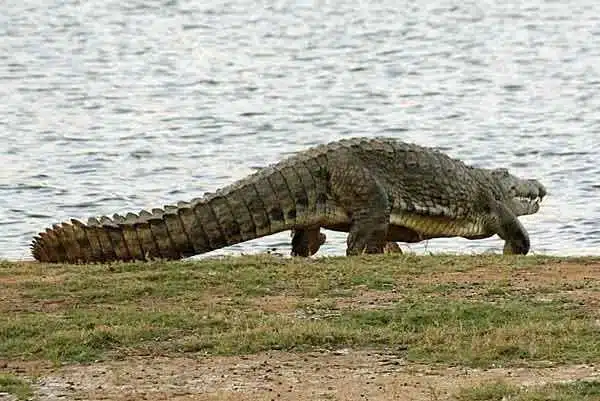
- Large Nile crocodiles along the lake’s shoreline
Sibiloi is also a haven for birdwatchers, with over 350 bird species, including flamingos, pelicans, African skimmers, and Goliath herons. Wildlife here is wild and untamed—perfect for adventurous travelers seeking a safari far from the beaten track.
Cultural Immersion in Sibiloi National Park
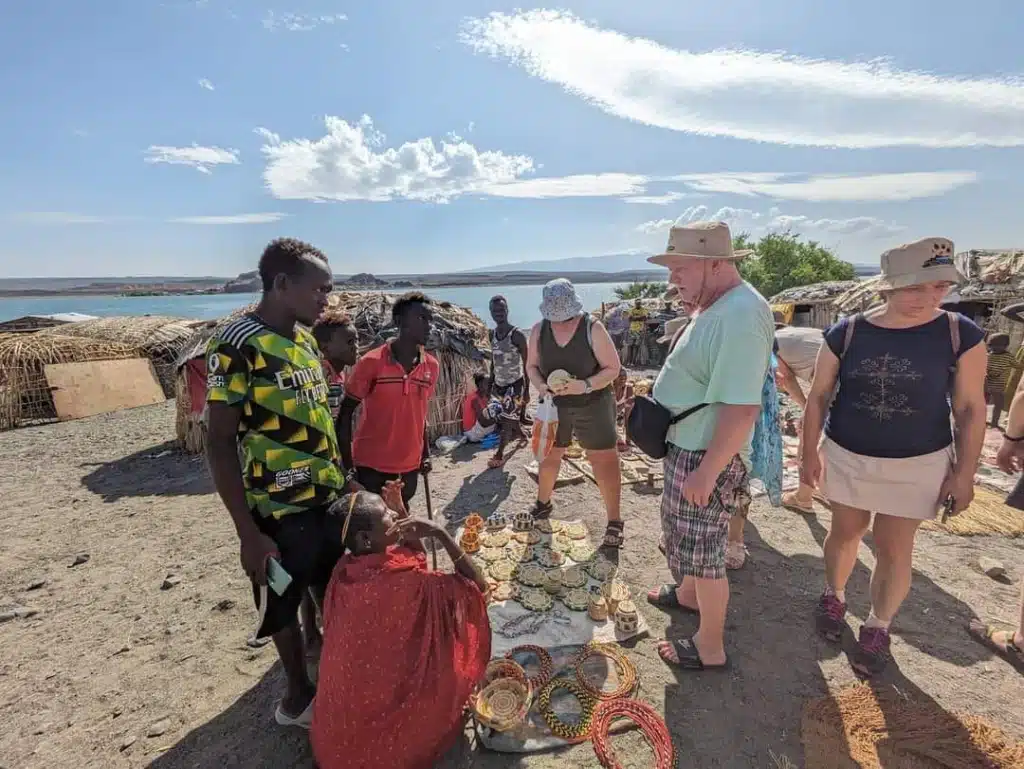
Sibiloi National Park is not only rich in natural and fossil heritage—it’s also a gateway to the vibrant cultures of northern Kenya. Surrounding the park are indigenous communities such as the Dassanech, Gabbra, and Turkana peoples, each with deep-rooted traditions and nomadic lifestyles adapted to the harsh environment.
Visitors can experience:
- Traditional homesteads (manyattas)
- Ceremonial dances and music
- Handcrafted jewelry and attire
- Insights into camel herding and desert survival
Engaging with these communities offers a rare and authentic glimpse into Kenya’s cultural mosaic, making your visit to Sibiloi not just educational, but deeply human and memorable.
Adventure Activities and Things to Do
If you’re craving adventure, Sibiloi delivers with opportunities that go beyond the ordinary safari.
Top things to do in Sibiloi National Park include:
- Koobi Fora Museum Tour: Explore the origins of humanity with knowledgeable guides.
- Fossil-hunting excursions: Walk the same grounds as famous paleoanthropologists.
- Lake Turkana exploration: Boat rides or lakeside picnics with views of flamingos and shimmering waters.
- Hiking and nature walks: Trek the Chalbi Desert edges or hike Mount Sibiloi for stunning panoramas.
- Camping under the stars: Experience total wilderness immersion with skies unpolluted by city lights.
This is an ideal destination for travelers seeking solitude, discovery, and connection with Earth’s earliest stories.
Popular Accommodations Near Sibiloi
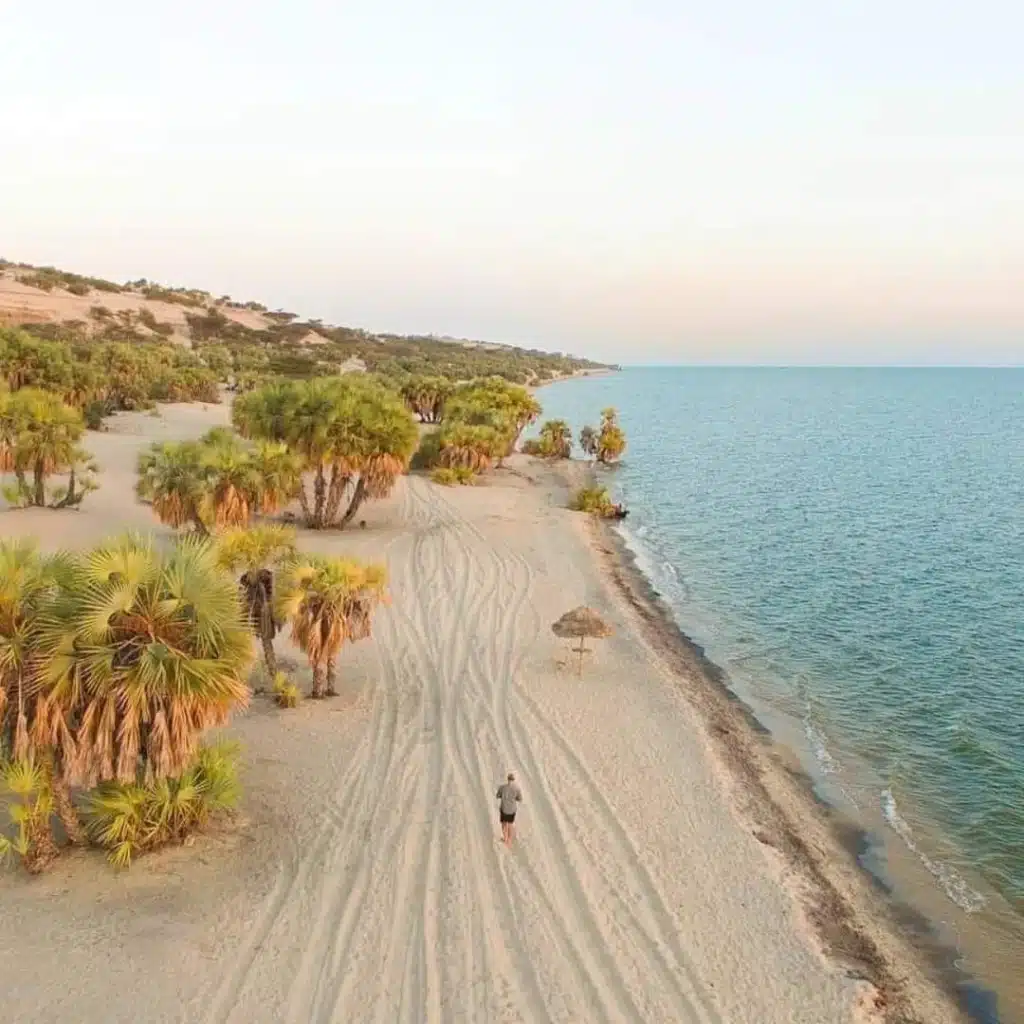
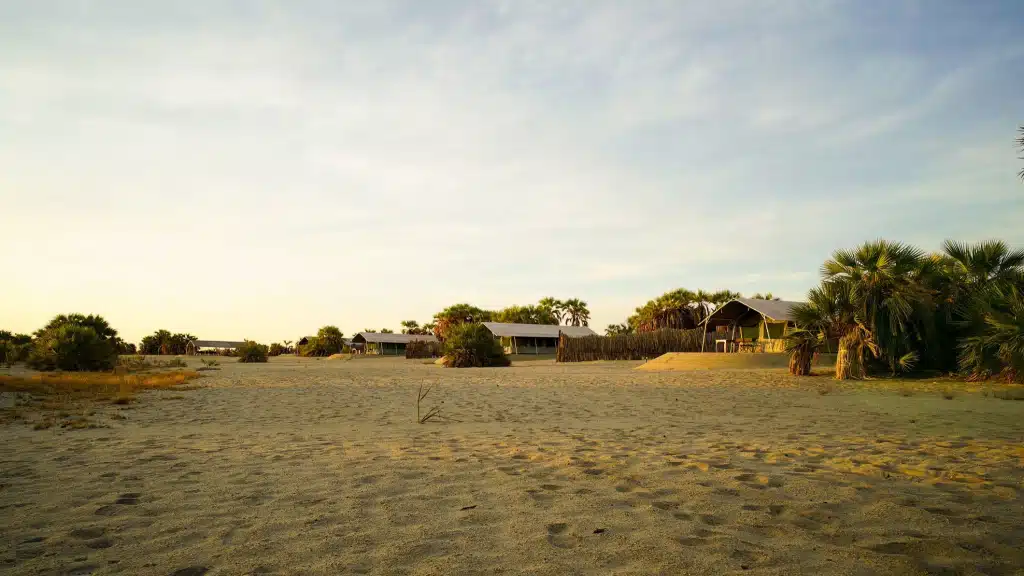
Due to its remote location, accommodations around Sibiloi National Park are more rustic and adventurous than luxurious. However, they offer comfort and a true sense of place.
Top stays include:
- Koobi Fora Campsite: Ideal for those visiting the fossil site. Basic, but close to the action.
- Lobolo Camp (Lake Turkana): Located further south along the lake, it offers tented luxury with stunning lake views.
- Community-run eco-camps: Operated by local communities, offering immersive cultural stays and basic amenities.
- Mobile tented safaris: Booked through operators like Gemfinders Safaris, offering fully catered camp setups wherever your adventure takes you.
Travelers are encouraged to book in advance, as accessibility and resources are limited in this remote park.
Conservation and Sustainable Travel
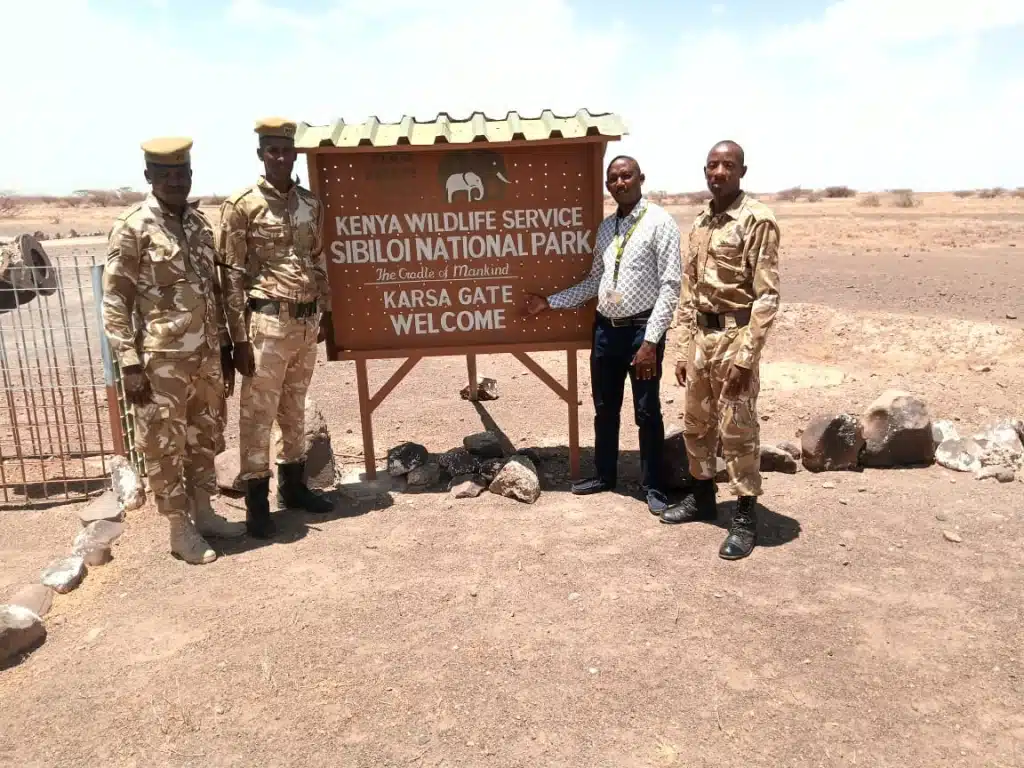
Sibiloi is managed by the Kenya Wildlife Service (KWS) and is part of the Lake Turkana UNESCO World Heritage area. Conservation efforts in the region are focused on:
- Protecting fossil sites from erosion and vandalism
- Preserving endangered wildlife species
- Supporting local communities through eco-tourism
Visitors can travel responsibly by:
- Hiring local guides
- Using eco-friendly accommodations
- Respecting tribal lands and customs
- Reducing waste and carbon impact during travel
Responsible tourism helps maintain Sibiloi’s ecological and cultural integrity while supporting the livelihoods of local communities.
Plan Your Sibiloi Adventure with Gemfinders Safaris
Exploring the raw beauty and scientific wonders of Sibiloi National Park can be logistically challenging—but not with Gemfinders Safaris.
We offer:
✅ Knowledgeable guides with deep expertise in archaeology, wildlife, and local culture
• Affordable packages designed for solo travelers, families, and researchers alike
• Customizable itineraries tailored to your interests—from fossil digs to tribal tours
• Easy booking and support—from Nairobi to Lake Turkana, we’ve got you covered
Let us help you discover why Sibiloi is one of Kenya’s most extraordinary national parks—a destination where the past, present, and future come together in awe-inspiring harmony.
Contact Gemfinders Safaris today and start your Sibiloi journey!