
Did you Know?
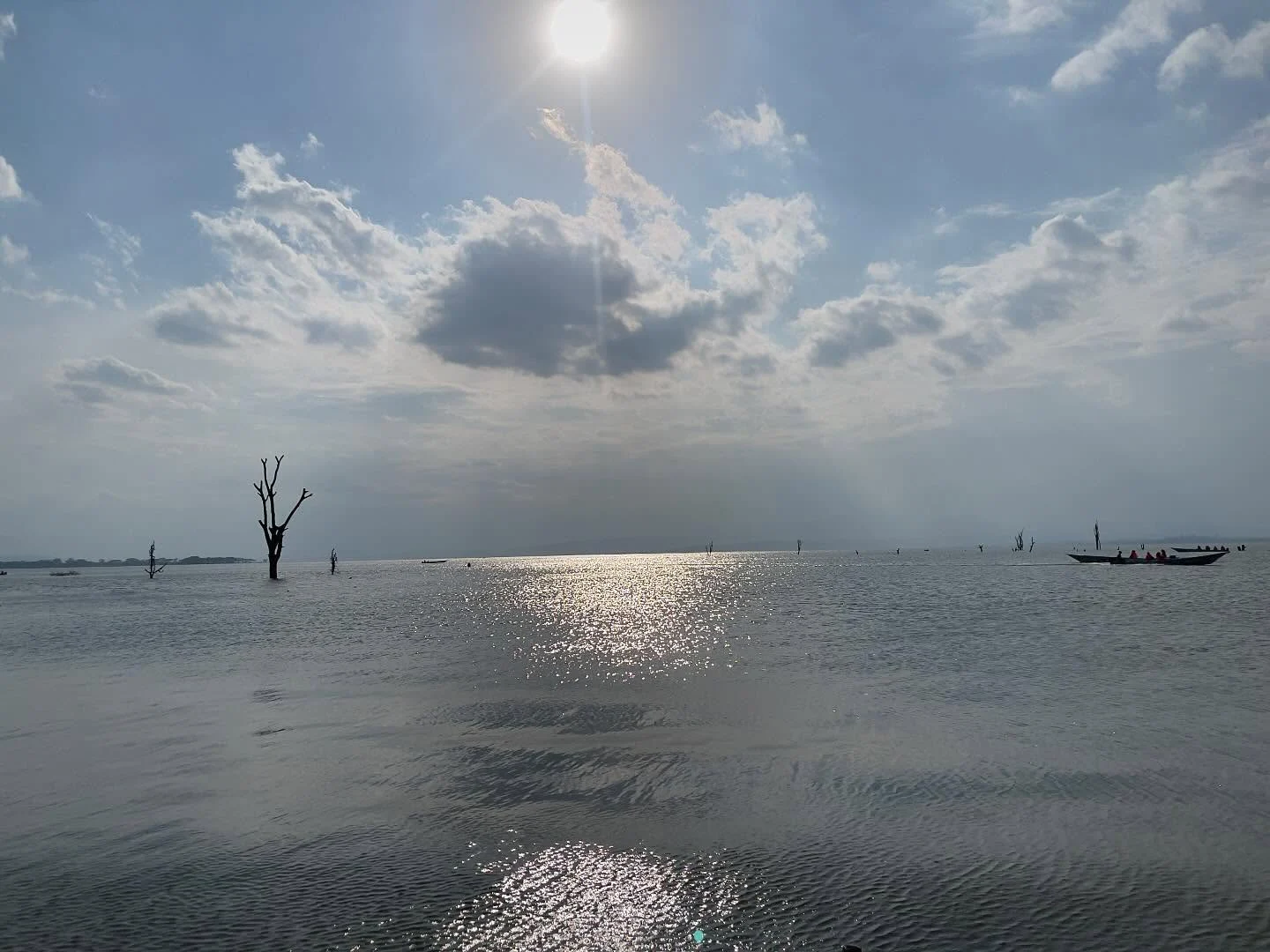
The name “Karura,” rooted in the Kikuyu language of central Kenya’s indigenous Agĩkũyũ people, is likely derived from “Gutura” or “Gũrũra,” meaning “to flow” or “to run,” referring to flowing water like rivers or springs. This is fitting for Karura Forest, which features small rivers, a waterfall, and wetlands, including the Ruaka and Gitathuru Rivers and underground springs. The Kikuyu traditionally named places after natural landmarks, making the water-rich landscape of Karura a likely inspiration for its name.
Just minutes from Nairobi’s city center, Karura Forest offers a rare urban escape into nature. Whether you’re hiking the trails, discovering historical sites, or simply soaking in the peaceful greenery, Karura is a must-visit for both locals and travelers. This guide covers the best things to do, see, and learn — plus how to explore Karura affordably with Gemfinders Safaris.
1. A Brief History of Karura Forest
Karura Forest spans over 1,000 hectares, making it one of the world’s largest urban forests. But its survival is thanks to brave activism.
Karura Forest was established in 1932 by the British colonial government as a protection forest to help preserve Nairobi’s water catchment areas and to serve as a green buffer for the growing city.
Here’s a brief origin timeline:
- Pre-Colonial Era:
Before colonial rule, the land where Karura now stands was part of a natural woodland used by local communities for medicinal plants, firewood, and cultural practices. - 1932 – Designation as a Forest Reserve:
The British colonial government gazetted Karura as a forest reserve under the Forest Act to control urban sprawl and manage environmental degradation. - Post-Independence (1963 onward):
After Kenya gained independence, the forest came under increasing pressure from land developers and government allocations for private interests. - 1990s – Threat and Resistance:
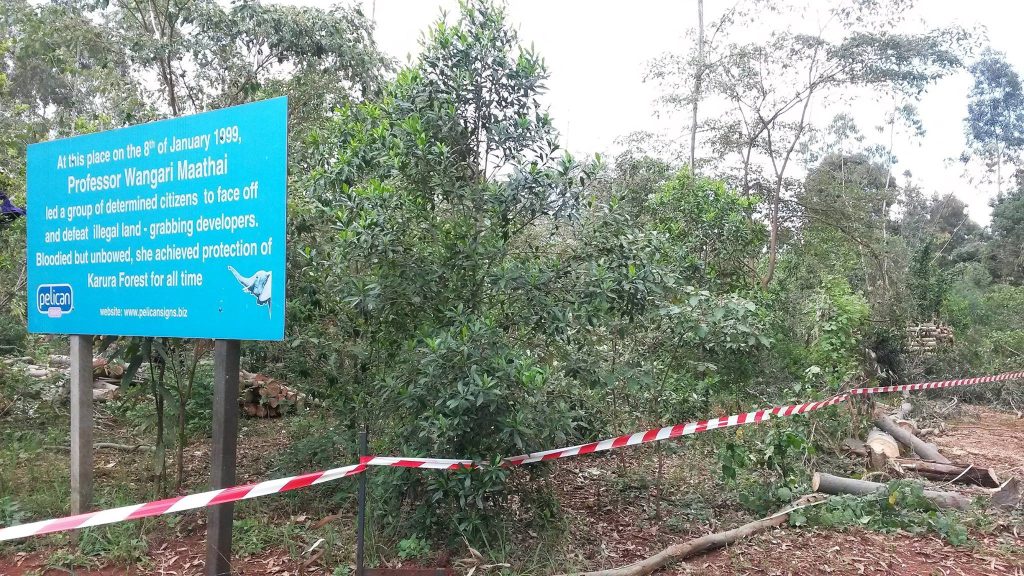
In the late 1990s, large portions of Karura were earmarked for private development. This led to widespread protests, most notably led by Professor Wangari Maathai and her organization, the Green Belt Movement. Despite violent crackdowns, their peaceful resistance successfully halted the destruction. - 2009 – Public Access and Restoration:
Karura Forest was officially opened to the public in 2009, with co-management by the Kenya Forest Service (KFS) and Friends of Karura Forest (FKF). Since then, it has been restored into one of the most iconic and ecologically important urban forests in Africa.
Today, Karura Forest stands as a powerful symbol of environmental activism, urban conservation, and community resilience — a living legacy of those who fought to protect it.
2. Top Things to Do in Karura Forest
There’s something for everyone at Karura — from adrenaline-pumping adventures to peaceful relaxation.
- Hiking & Nature Walks
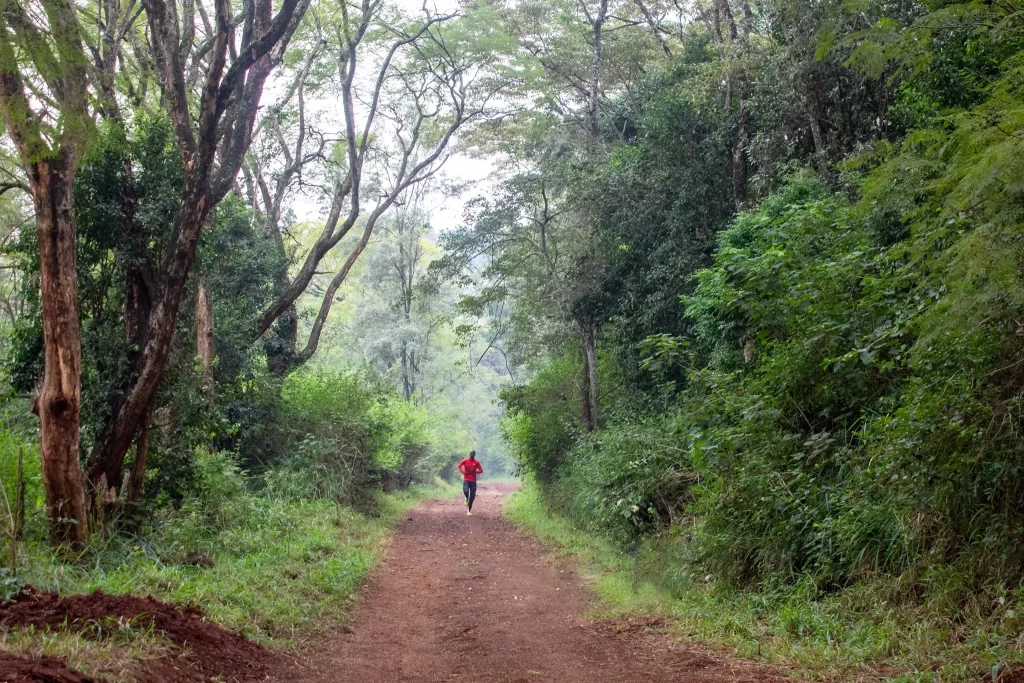
Enjoy over 50 km of scenic trails, perfect for both leisurely walks and fitness hiking. - Biking
The flat terrain and wide paths are ideal for mountain biking. Bring your own or rent one at the main entrance. - Picnicking
Designated picnic spots make it easy to unwind with friends and family. - Birdwatching & Wildlife
Spot over 200 bird species, butterflies, monkeys, and other small mammals throughout the forest. - Guided Walks
Learn about Karura’s ecosystem and history from professional guides.
3. Must-See Attractions in Karura
Don’t miss these iconic features of the forest:
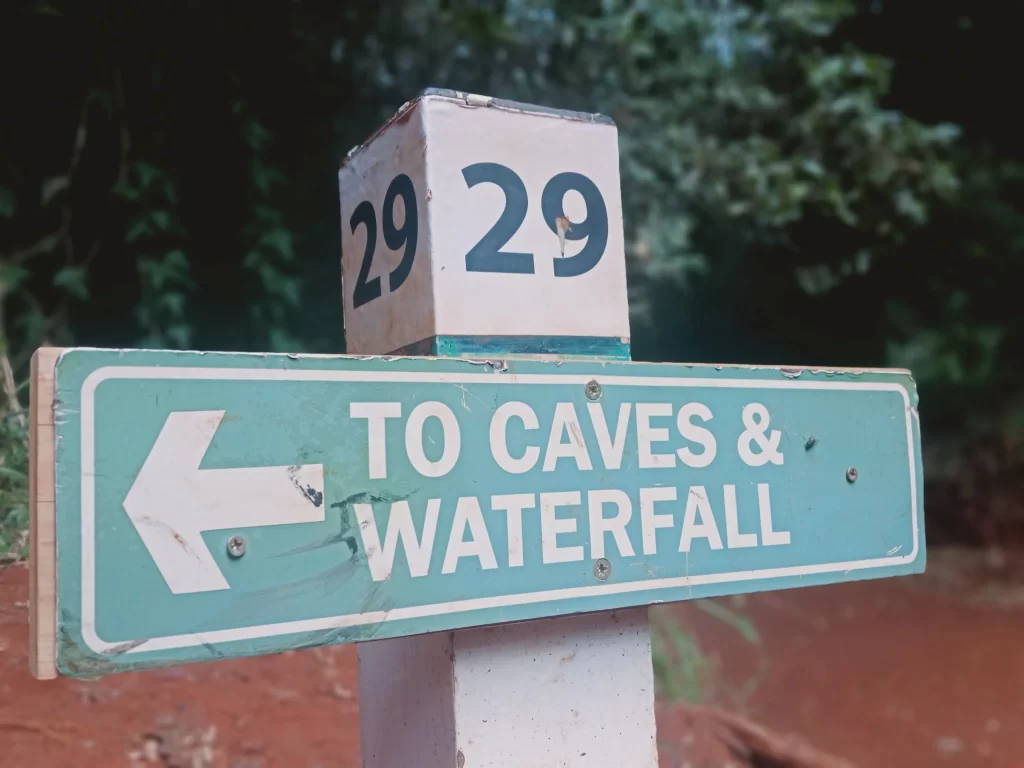
- Mau Mau Caves
Historic hideouts used by Kenya’s Mau Mau fighters during the colonial resistance. - Karura Waterfall
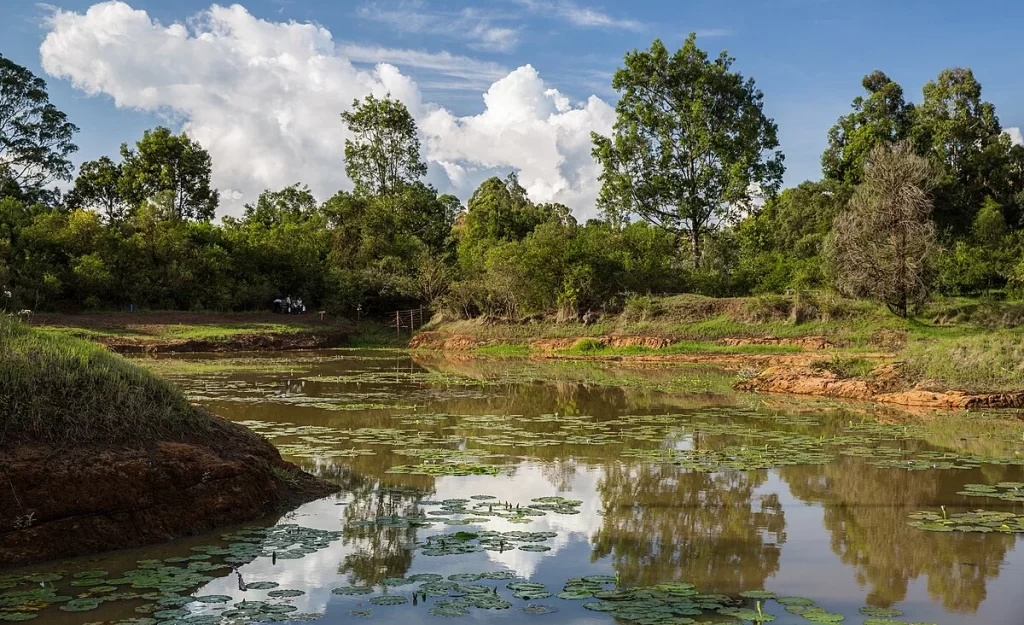
A tranquil natural waterfall surrounded by greenery — a favorite photo spot. - Bamboo Trail & Lily Lake
Stroll through giant bamboo groves to a peaceful, lily-covered lake. - Butterfly Garden
A colorful, photo-worthy spot filled with native butterflies.
4. Sustainability and Conservation
Karura Forest is a success story in urban conservation. Thanks to the Friends of Karura Forest (FKF), the area has seen:
- Ongoing reforestation and habitat restoration
- Anti-poaching and fire patrols
- Educational programs for local schools
- Volunteer opportunities for environmentalists
Your entry fee supports these efforts and keeps the forest thriving.

5. Visitor Info & Pro Tips
Here’s everything you need to know to plan your visit:
- Entry Fees
Affordable for both locals and travelers. Discounts available for students and children. - Opening Hours
Open daily from 6:00 AM to 6:00 PM. - Main Entrances
Access via Limuru Road Gate, Kiambu Road Gate, and KFS Headquarters Gate. - What to Bring
Comfortable walking shoes, drinking water, sunscreen, insect repellent, and a camera. - Café & Amenities
Enjoy refreshments at the Karura café near the Limuru Road entrance. Clean restrooms available.

Explore Karura with Gemfinders Safaris
Want to enjoy Karura Forest stress-free? Partner with Gemfinders Safaris, your trusted travel expert for unforgettable Nairobi experiences.
Why choose Gemfinders Safaris?
✅ Affordable Packages – Explore without breaking the bank
✅ Excellent Customer Service – Personalized support from booking to tour day
✅ Customizable Itineraries – Your trip, your preferences
✅ Flexible Payment Plans – Travel now, pay your way
✅ Knowledgeable Guides – Local experts make every step meaningful
Contact Gemfinders Safaris
Ready to plan your Karura Forest adventure?
Contact Gemfinders Safaris today for nature-filled experiences, unforgettable memories, and travel that fits your style and budget.
• Email: tours@gemfinderssafaris.com
• Phone: +254 797 512036
• Website: www.gemfinderssafaris.com
• Based in Nairobi, Kenya