Did You Know?
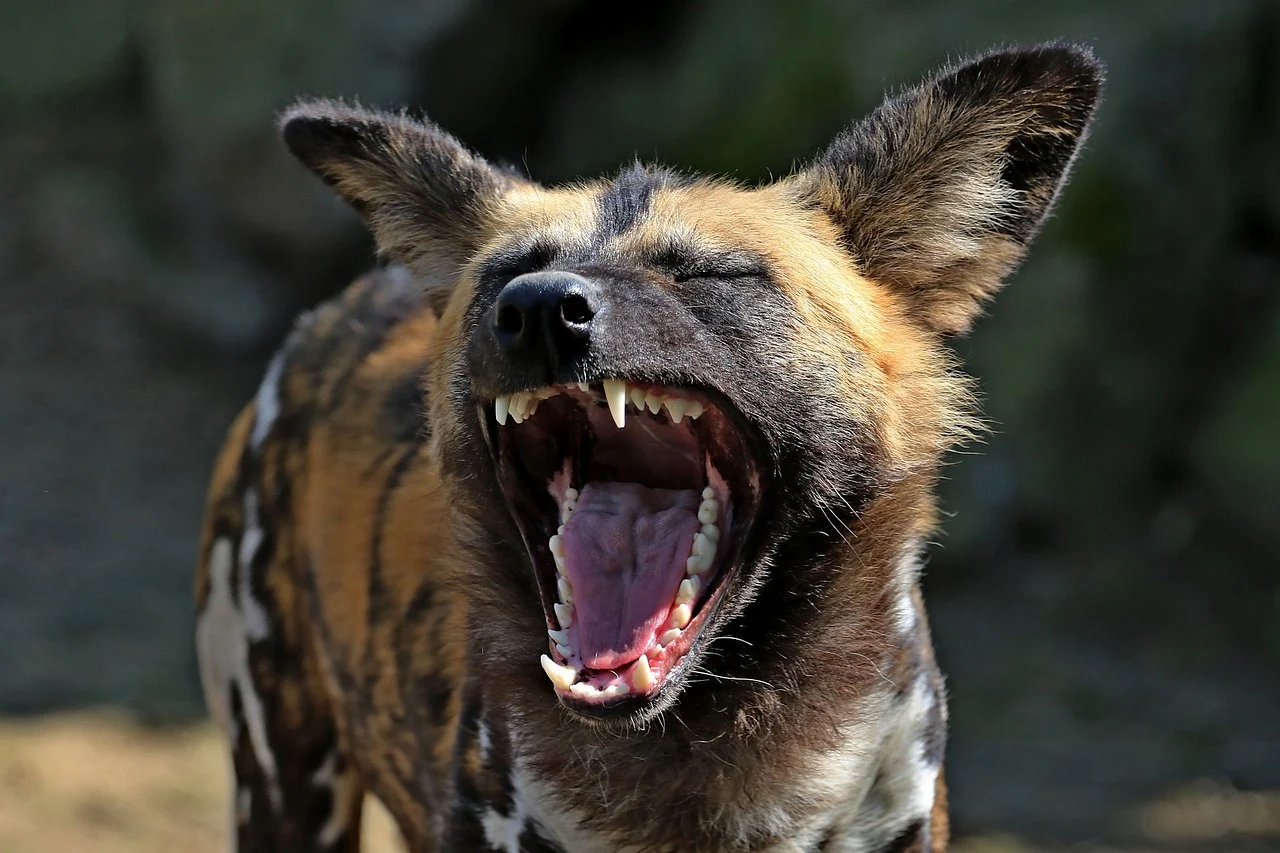
One unique and fascinating fact about African Wild Dogs is that they care for their sick, injured, and elderly pack members—often feeding them regurgitated food even if they can’t hunt.
This rare level of compassion and cooperation among carnivores highlights the species’ extraordinary social intelligence and loyalty. Their survival hinges not on individual strength, but on strong pack bonds and teamwork, making them some of the most cooperative hunters—and caretakers—in the animal kingdom.
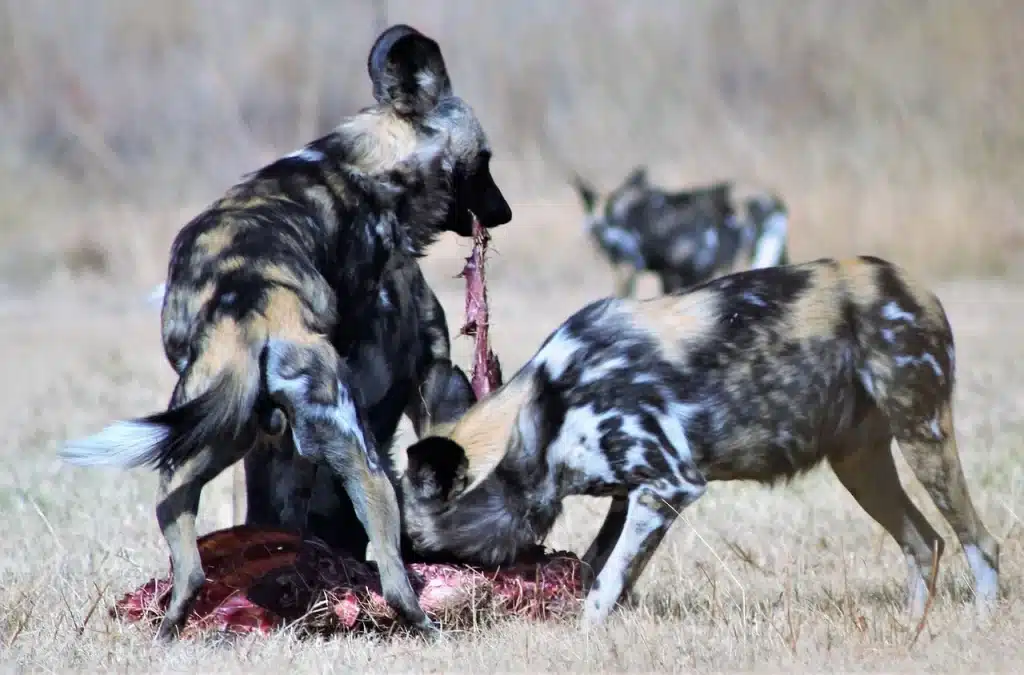
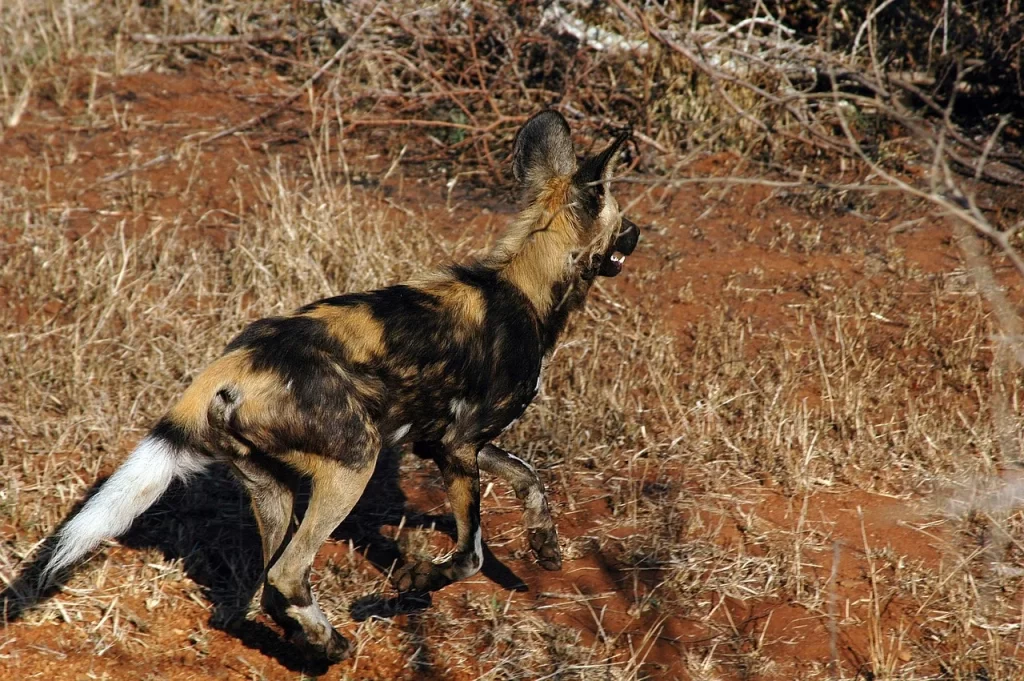
In the wild heart of Kenya, a rare and remarkable predator roams the savanna—the African Wild Dog, also known as the painted wolf. With its striking patchwork coat, large rounded ears, and unmatched hunting strategy, this species is one of Africa’s most efficient and fascinating carnivores. Yet despite its prowess, the African Wild Dog is teetering on the edge of extinction.
Today, fewer than 6,000 individuals remain across Africa, and Kenya is home to a small but vital population. Let’s dive into the life, challenges, and conservation of the African Wild Dog in Kenya—and how your safari choices can make a difference.
Meet the African Wild Dog
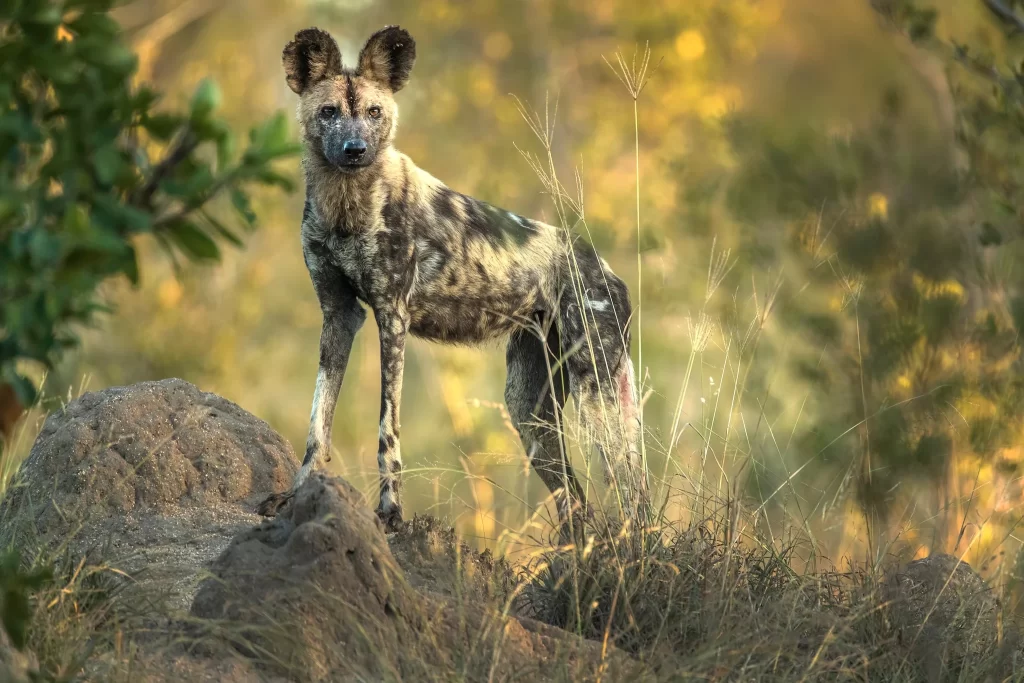
The African Wild Dog (Lycaon pictus) is a highly social and intelligent carnivore found in scattered regions across sub-Saharan Africa. Also known as the painted wolf due to its mottled fur, each dog’s coat pattern is as unique as a fingerprint. Weighing between 20–30 kilograms, these lean, long-legged hunters thrive in open plains, grasslands, and woodland edges.
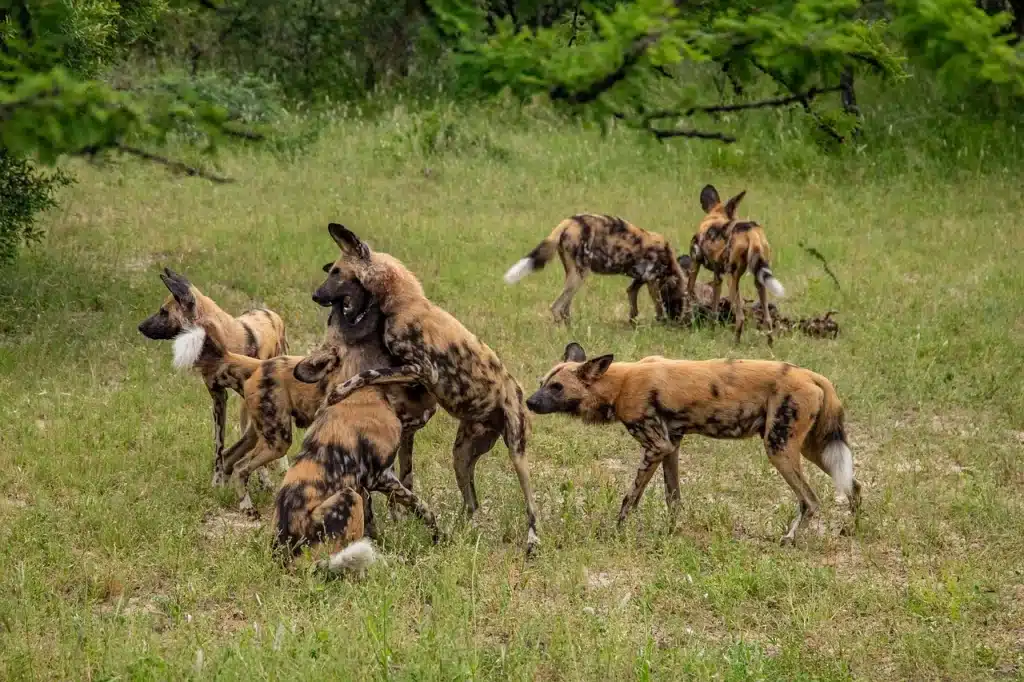
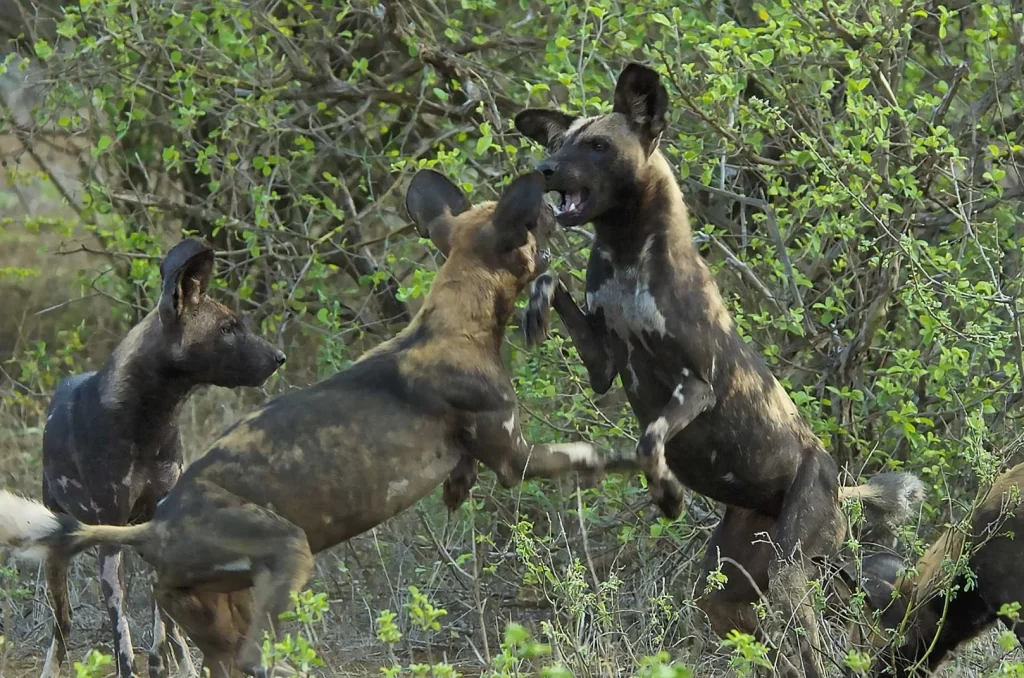
What sets the African Wild Dog apart is its social structure. Packs are tightly bonded, cooperative, and led by a dominant breeding pair. They raise pups communally, care for injured pack members, and communicate with chirps, whines, and body language. Their teamwork translates into hunting success rates that far surpass those of lions or hyenas.
A Master Hunter of Kenya’s Plains
African Wild Dogs are apex predators and play a crucial role in maintaining healthy ecosystems. Their primary prey includes impalas, gazelles, and other medium-sized antelopes. What makes them extraordinary is their endurance and coordination—packs chase prey over long distances, often running at speeds of 60 km/h, making them one of Africa’s most successful hunters.
In places like Laikipia, Samburu, and Tsavo, these agile predators once thrived. However, shrinking territory and increased threats have confined them to isolated pockets, making every sighting a rare and memorable event.
Why Are African Wild Dogs Endangered?
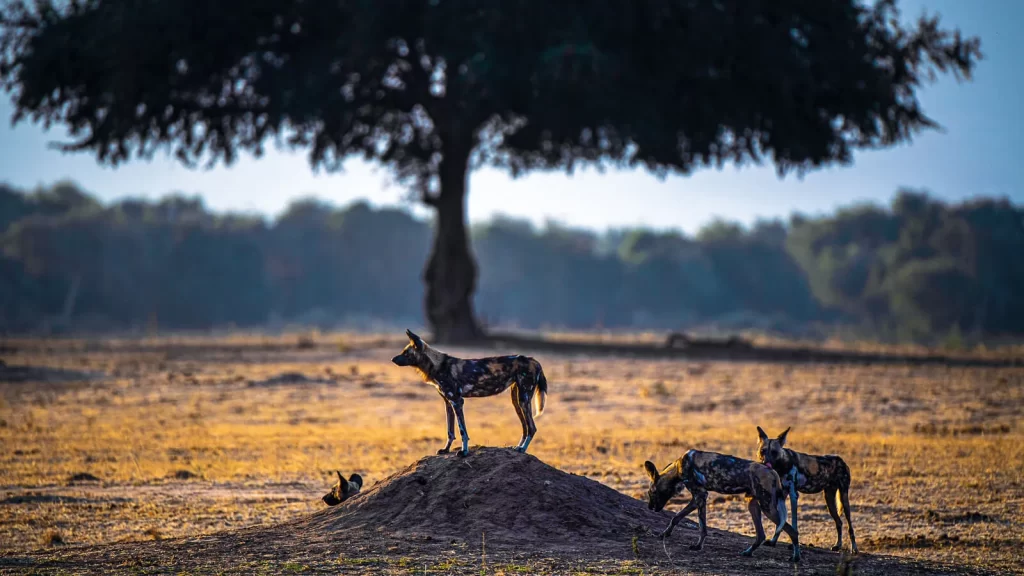
The African Wild Dog is classified as Endangered by the International Union for Conservation of Nature (IUCN), and their numbers continue to decline. In Kenya, they face multiple threats:
- Habitat Loss and Fragmentation: Rapid human development, expanding agriculture, and infrastructure projects have reduced and fragmented their natural habitat. This isolates packs and limits hunting grounds.
- Human-Wildlife Conflict: Wild dogs are often mistaken for threats to livestock, leading to retaliatory killings by pastoralist communities. Yet these predators rarely target cattle or goats unless natural prey is unavailable.
- Diseases: Outbreaks of rabies and canine distemper, often transmitted by domestic dogs, can devastate entire packs in a matter of weeks.
- Road Mortality: As wild dog territories intersect with roads and settlements, vehicular accidents become increasingly common.
Conservation Efforts in Kenya
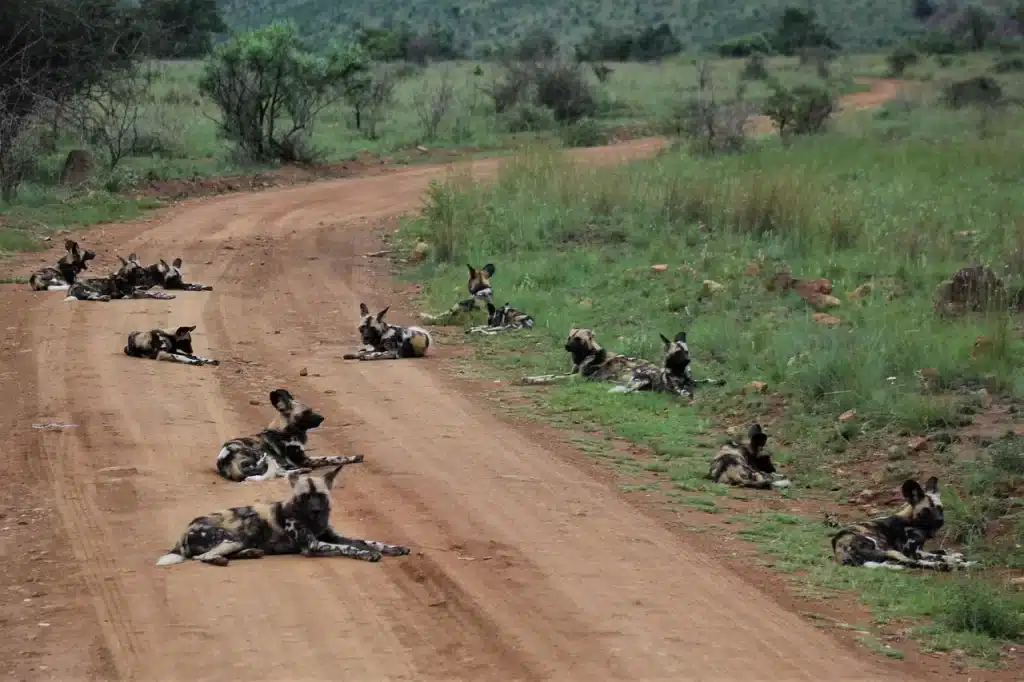
Kenya is at the forefront of conservation, and several wildlife protection initiatives are helping the African Wild Dog recover. Organizations like the Kenya Wildlife Service (KWS), Laikipia Predator Project, and community-based conservancies are monitoring packs, vaccinating local domestic dogs, and educating communities.
Additionally, satellite tracking collars are being used to study pack movements, helping mitigate human-wildlife conflict and ensure safer wildlife corridors.
Why Their Survival Matters
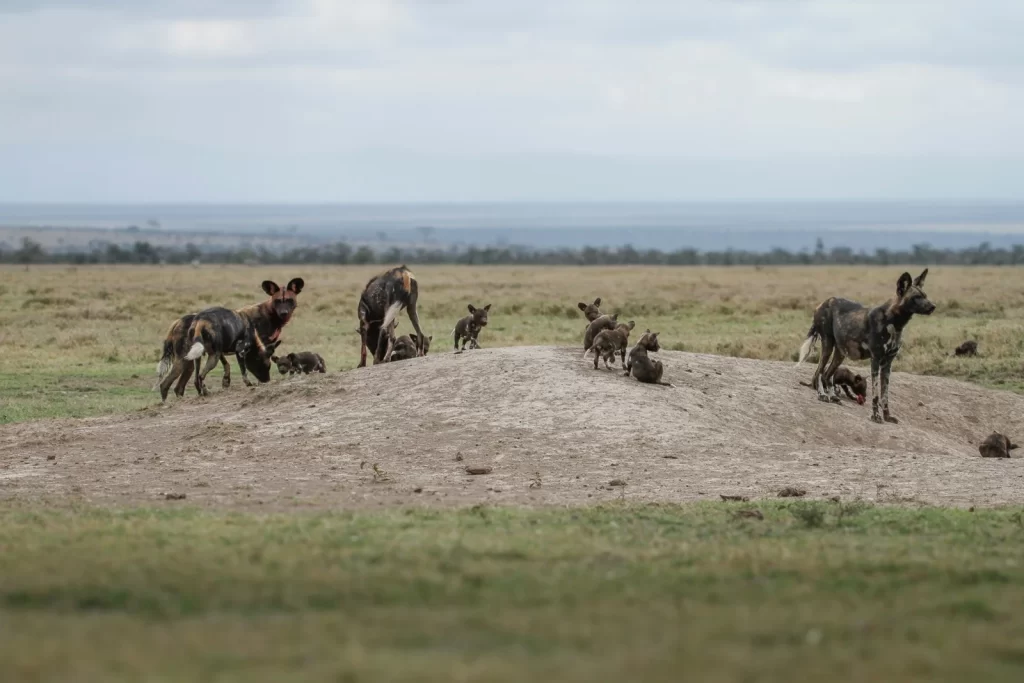
Beyond their ecological role, African Wild Dogs symbolize the richness and complexity of Kenya’s biodiversity. As top predators, they keep prey populations in check and maintain ecosystem balance. Their disappearance would ripple through the food chain, disrupting the delicate web of life in Kenya’s wild spaces.
For travelers, witnessing a pack in action is an unforgettable wildlife experience—one that is only possible if we work to protect their future.
How You Can Help Protect the African Wild Dog
Whether you’re planning your first Kenyan safari or returning to explore deeper, your choices matter. Here’s how you can support conservation:
- Choose responsible tour operators that support wildlife conservation.
- Avoid off-road driving in sensitive habitats.
- Support NGOs working to protect endangered species in Kenya.
- Respect local communities and wildlife regulations.
- Spread awareness through social media and personal stories.
Travel With Purpose: Explore Kenya with Gemfinders Safaris
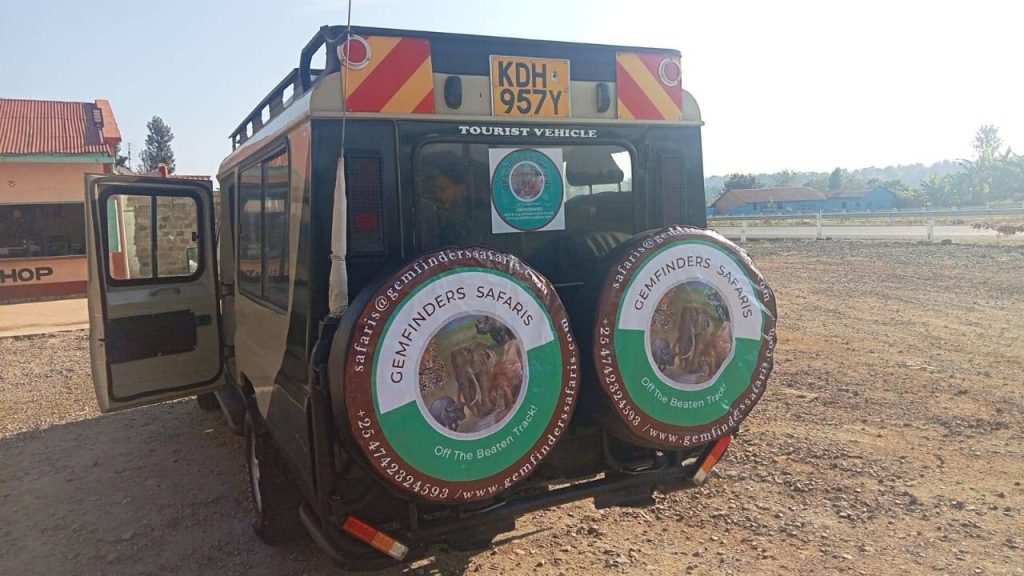
At Gemfinders Safaris, we believe that travel should empower both people and the planet. Our commitment to sustainable tourism ensures that your safari not only delivers unforgettable wildlife encounters—but also supports the protection of endangered species like the African Wild Dog.
When you travel with us, you’re choosing:
✅ Customizable Safari Packages: Tailor your adventure to your interests—whether it’s spotting rare predators, exploring off-the-beaten-track conservancies, or learning from local Maasai guides.
✅ Affordable, Ethical Travel: We offer competitive safari rates without compromising on responsible practices. Your trip supports community conservancies and anti-poaching efforts.
✅ Local Knowledge, Real Impact: Our guides are Kenyan-born, deeply experienced, and trained in conservation principles. We partner with local communities to ensure wildlife and people thrive together.
Join the Wild Dog’s Fight for Survival
The future of Kenya’s African Wild Dogs depends on awareness, action, and the support of travelers like you. By choosing a sustainable safari experience, you become part of the solution—helping preserve not only a species but the rich wilderness it calls home.
Book your ethical safari with Gemfinders Safaris today and be part of a journey that leaves a lasting legacy in Kenya’s wild heart.