
The Great Rift Valley, stretching over 6,000 km from Lebanon through East Africa to Mozambique, is an extraordinary tectonic feature that shapes landscapes, ecosystems, and human history. In East Africa—encompassing Kenya, Tanzania, Uganda, and Ethiopia—it unveils dramatic escarpments, volcanic peaks, crater lakes, and expansive savannas. This geologic marvel has influenced human evolution, supported rich biodiversity, and now offers unforgettable travel experiences.
Whether you’re drawn to wildlife safaris, geological wonders, cultural engagement, or adrenalin-fueled adventures, the Great Rift Valley is a world of discovery.
A Brief History of the Great Rift Valley
Approximately 25–30 million years ago, immense tectonic forces tore the Earth’s crust apart, forming a vast rift valley system. This activity continues today, visible through volcanic peaks like Kenya’s Mount Longonot and Ethiopia’s Erta Ale. The region earned the nickname “cradle of humanity” when paleoanthropologists discovered early hominid fossils—such as Lucy in Ethiopia and Turkana Boy in Kenya—offering evidence of our ancestral past.
Beyond its human heritage, the Rift Valley has defined East Africa’s lakes (e.g., Naivasha, Nakuru, Manyara), rivers, and escarpments. It remains a dynamic landscape—where geology, ecology, and culture intersect.

Top Destinations in the Great Rift Valley
Here’s an itemized summary of the most iconic destinations in the valley, featuring wildlife encounters, cultural immersion, adventure activities, and conservation efforts.
1. Lake Nakuru National Park (Kenya)
A Flamingo Paradise Surrounded by Escarpments
Nestled in the heart of the Rift Valley, Lake Nakuru is famed for its shimmering pink shores lined with flamingos. Surrounded by wooded escarpments and bushy grasslands, the park is a sanctuary for endangered species and a photographer’s dream.
- Wildlife: Black/white rhinos, Rothschild’s giraffes, buffalo, flamingos.
- Activities: Game drives, birdwatching, photography safaris.
- Conservation: Active rhino breeding program and habitat restoration.
- Where to Stay:
- Lake Nakuru Lodge (inside park, classic safari feel)
- Sarova Lion Hill Lodge (panoramic lake views)
- Ziwa Bush Lodge (eco-friendly and intimate)

2. Hell’s Gate National Park (Kenya)
East Africa’s Adventure Playground
Hell’s Gate is one of Kenya’s few national parks where visitors can walk or cycle among wildlife. With its steep cliffs, deep gorges, and geothermal activity, it’s a landscape that inspired Disney’s The Lion King and draws outdoor lovers year-round.
- Wildlife: Giraffes, zebras, buffaloes (no large predators).
- Activities: Rock climbing, gorge hiking, geothermal spa visits.
- Eco-Friendly Focus: Green energy from Olkaria geothermal plant.
- Where to Stay:
- Camp Carnelley’s (boho-style lakeside camp)
- Fisherman’s Camp (camping and cabins)
- Lake Naivasha Crescent Camp (glamping tents)
3. Lake Naivasha & Crescent Island (Kenya)
Tranquil Waters, Birdsong, and Hippos
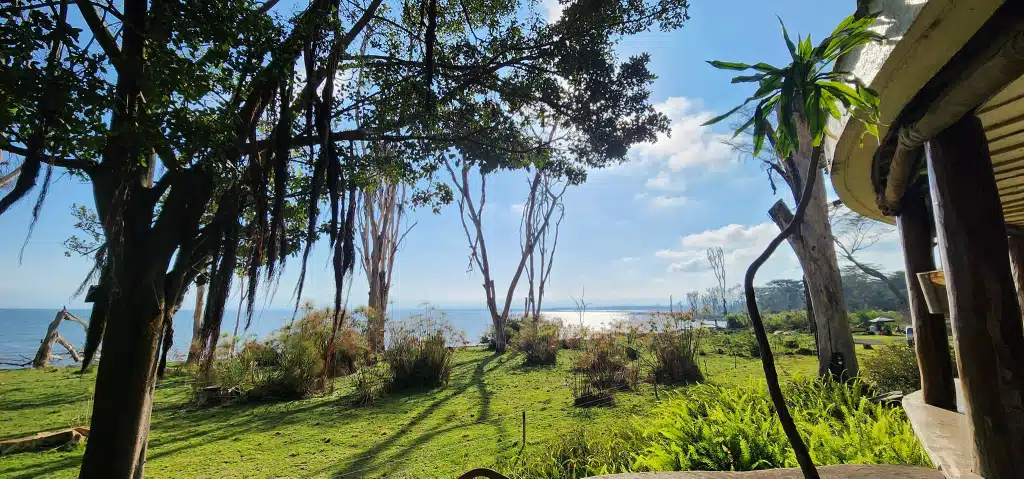
A freshwater gem in the Rift Valley, Lake Naivasha is teeming with birds and bordered by acacia trees. Nearby, Crescent Island Sanctuary allows you to walk among wildlife in a predator-free environment.
- Wildlife: Hippos, giraffes, zebras, over 400 bird species.
- Activities: Boat safaris, nature walks, fishing.
- Sustainability: Lodges embrace water recycling and solar energy.
- Where to Stay:
- Enashipai Resort & Spa (luxury with spa amenities)
- Naivasha Kongoni Lodge (charming lodge with private balconies)
- Crater Lake Tented Camp (secluded and romantic)

4. Lake Baringo & Pokot Villages (Kenya)
Birdwatching Paradise Meets Living Culture
Located north of Naivasha, Lake Baringo is less visited but incredibly rewarding. It’s home to unique semi-nomadic communities like the Pokot and an incredible range of birds.
- Culture: Engage with Pokot culture, crafts, music, and homestead tours.
- Birdlife: Over 500 species, including Verreaux’s eagle and African skimmer.
- Conservation: Community-led fishery management and eco-tourism.
- Where to Stay:
- Island Camp Baringo (on a private island)
- Soi Safari Lodge (family-friendly)
- Lake Baringo Club (colonial-style ambiance)

5. Mount Longonot (Kenya)
A Dormant Volcano with Epic Views
Mount Longonot, a dormant stratovolcano, offers hikers a rare chance to walk along a crater rim with breathtaking 360° views of the Rift Valley. It’s perfect for adventure seekers looking for a day trip from Nairobi or Naivasha.
- Wildlife: Buffaloes, antelope, baboons, occasional leopards.
- Activities: Crater hikes, birdwatching, photography.
- Sustainability: Limited visitors help preserve the trail.
- Where to Stay:
- Mt. Longonot Lodge (budget and local charm)
- Lake Naivasha Sopa Lodge (ideal base camp)
- Elsamere Lodge (home of Joy Adamson, conservation icon)
6. Lake Bogoria (Kenya)
Geysers, Flamingos & Mineral-Rich Hot Springs
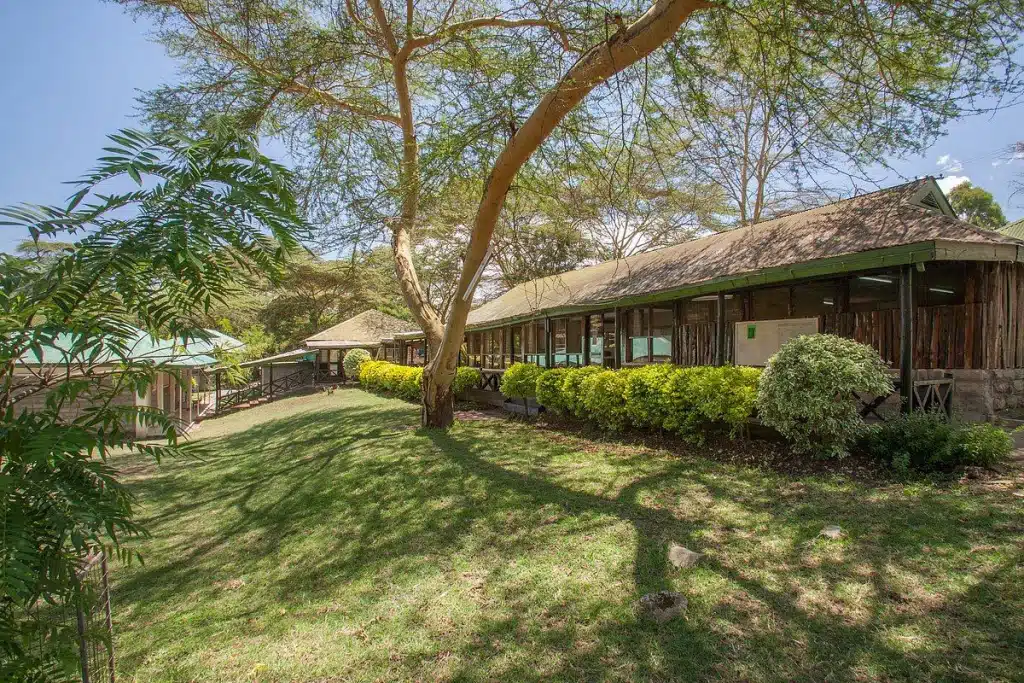
Lake Bogoria is one of the most geologically active spots in Kenya, with steaming geysers and dramatic hot springs. It also hosts hundreds of thousands of lesser flamingos in season.
- Natural Wonders: Hot springs, geysers, alkaline lake.
- Wildlife: Lesser flamingos, gazelles, leopards, hyrax.
- Eco-education: Geological and birding tours led by locals.
- Where to Stay:
- Lake Bogoria Spa Resort (natural hot springs on site)
- Papyrus Inn (budget with great views)
- Kampi ya Samaki Cottages (run by locals)
⛵ 7. Lake Turkana (Kenya)
The Jade Sea & Humanity’s Origins
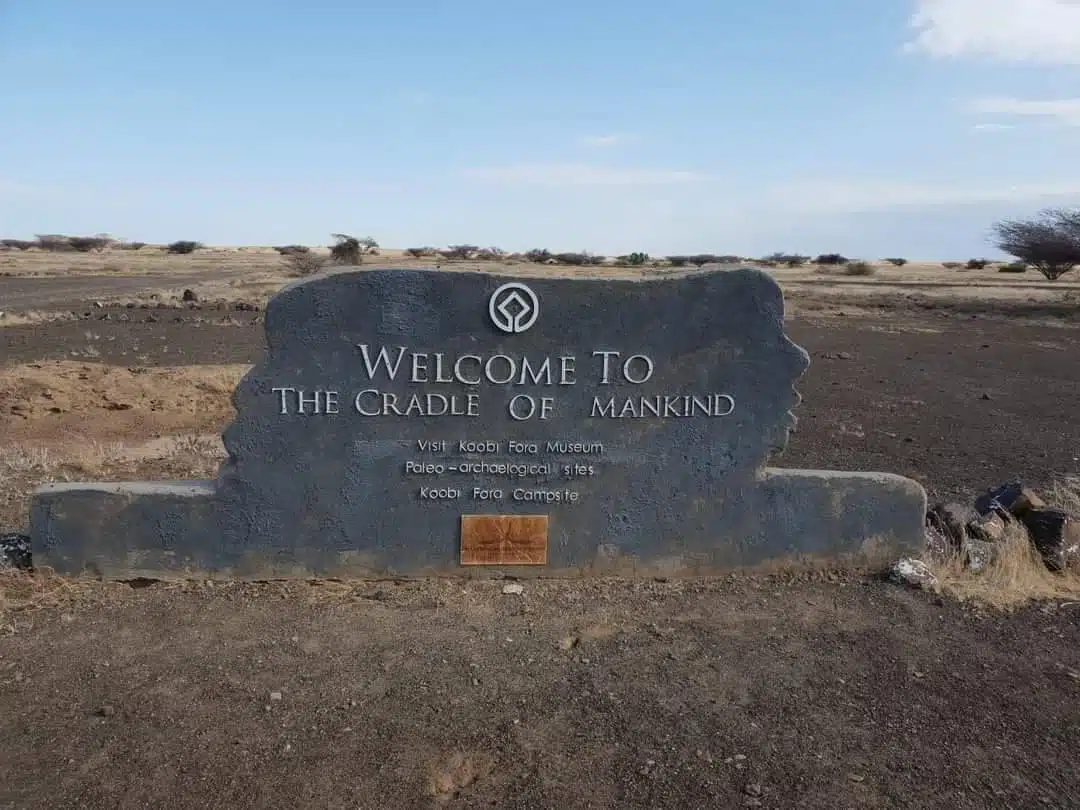
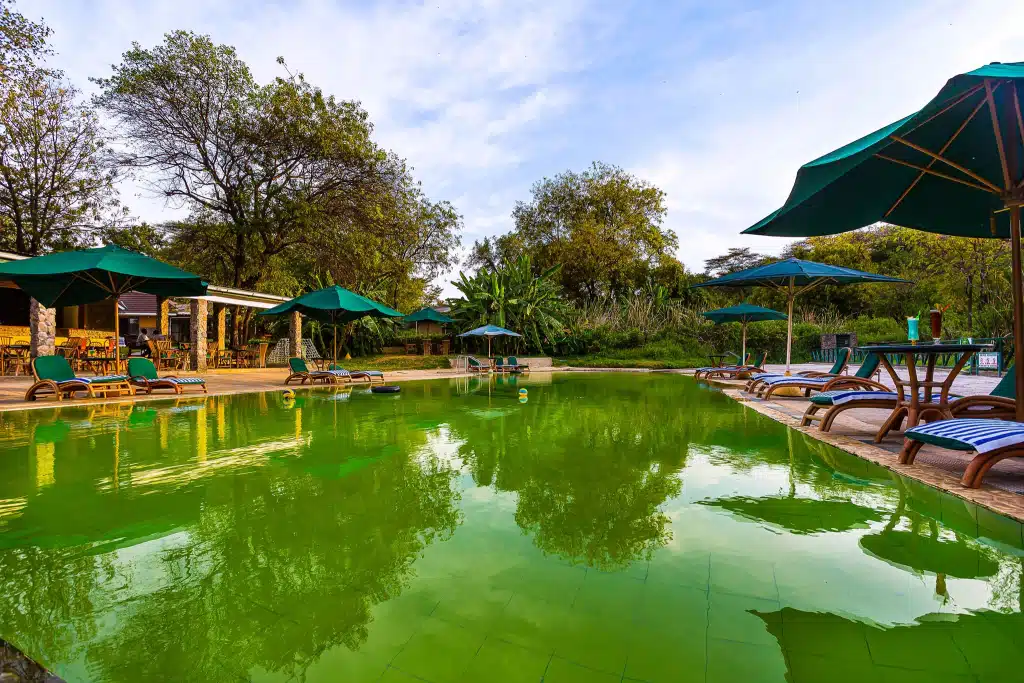
Remote and magical, Lake Turkana is Africa’s largest desert lake and a UNESCO World Heritage Site. Known as the “Jade Sea,” it is surrounded by volcanic rocks and home to some of the oldest human fossils on Earth.
- Cultural Immersion: Interact with Turkana, El Molo, and Dassanech communities.
- Adventure: Visit Koobi Fora fossil site, boat safaris, desert hikes.
- Conservation: Fossil site protection and indigenous-led tourism.
- Where to Stay:
- Lobolo Camp (luxury eco-camp)
- Palm Shade Camp (budget option near Loiyangalani)
- Sibiloi National Park Campsite (simple but close to fossils)

8. Ngorongoro Conservation Area (Tanzania)
Africa’s Eden: Wildlife & Maasai Coexistence
Ngorongoro Crater is a collapsed volcano teeming with wildlife. As a UNESCO World Heritage Site, it uniquely balances conservation with Maasai pastoral traditions, offering dramatic scenery and rich culture.
- Wildlife: Rhinos, elephants, lions, wildebeests, flamingos.
- Cultural Experience: Visit Maasai bomas and cattle markets.
- Conservation: Joint management between local communities and national parks.
- Where to Stay:
- Ngorongoro Serena Safari Lodge (built into the crater rim)
- Gibb’s Farm (historic luxury coffee estate)
- Rhino Lodge (budget-friendly inside conservation area)
9. Lake Manyara National Park (Tanzania)
Jungle-Like Forests & Iconic Tree-Climbing Lions
Nestled below the Great Rift Escarpment, Lake Manyara offers one of Tanzania’s most unique ecosystems—from underground water forests to flamingo-dotted shores.
- Wildlife: Tree-climbing lions, forest elephants, flamingos.
- Activities: Game drives, birdwatching, treetop walkway.
- Sustainability: Community conservation programs and biosphere reserve status.
- Where to Stay:
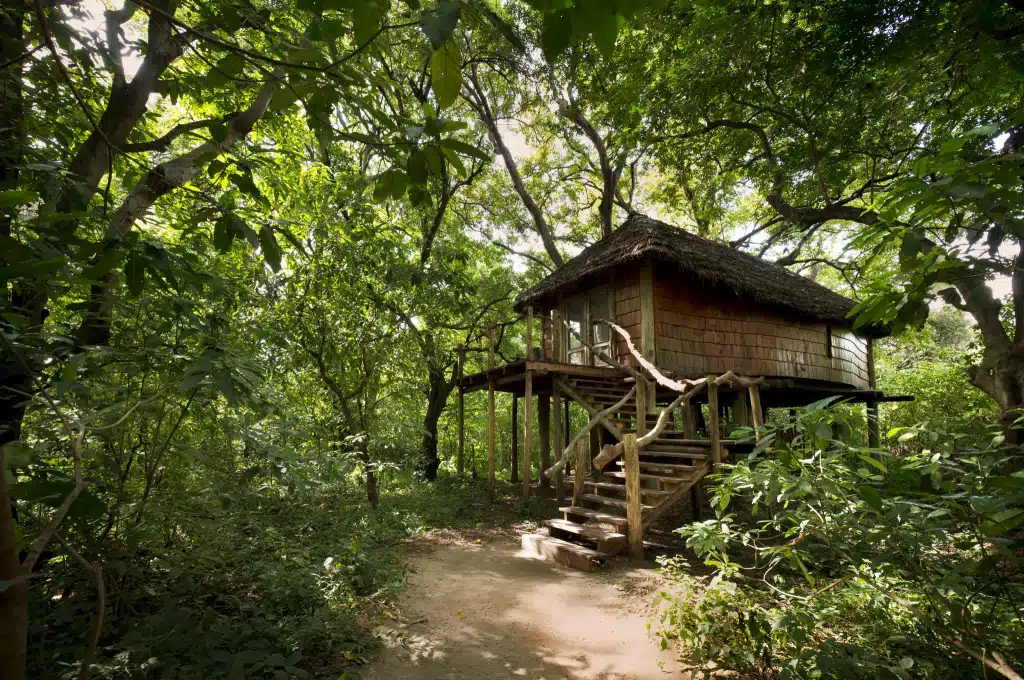
- Lake Manyara Tree Lodge (luxury treetop suites)
- Manyara Wildlife Safari Camp (mid-range with pool)
- Migunga Tented Camp (budget-friendly & close to park)
10. Olduvai Gorge (Tanzania)
The Cradle of Mankind
Located between Ngorongoro and Serengeti, Olduvai Gorge is one of the most important paleoanthropological sites in the world. It offers a window into early human life over 2 million years ago.
- Heritage Site: Fossils of Homo habilis and tools dating back 1.9 million years.
- Activities: Guided tours, on-site museum, lectures.
- Conservation: UNESCO protection and educational outreach.
- Where to Stay:
- Olduvai Camp (authentic and educational)
- Ngorongoro Lemala Camp (luxury tented camp)
- Serengeti Simba Lodge (between Olduvai and Serengeti)
Responsible Travel in the Great Rift Valley
Responsible travel is essential to preserve the beauty and biodiversity of the Great Rift Valley. Here’s how you can travel sustainably:
- ✅ Stay in eco-lodges and solar-powered camps.
- ✅ Respect cultural boundaries—ask before photographing.
- ✅ Reduce plastic and opt for reusable bottles and bags.
- ✅ Support local guides and community-run tours.
- ✅ Leave no trace—pack out what you bring in.
By being mindful travelers, we help protect one of the most ecologically and culturally significant places on Earth.
Plan Your Adventure with Gemfinders Safaris
Discover the Great Rift Valley’s natural and cultural wonders with Gemfinders Safaris—your trusted partner in responsible African travel.
Why Choose Us?
- Knowledgeable Local Guides – Get deep insights into the landscapes, wildlife, and cultures from knowledgeable professionals.
- Affordable, Customizable Packages – Whether you’re a solo adventurer, couple, or family, we have customizable options to suit your budget.
- Hassle-Free Booking – From airport pickup to park entry, we handle all the details.
- ♻️ Eco-Conscious Experiences – We partner with eco-lodges and community-led projects to ensure your trip supports conservation.
Whether it’s a volcano trek, cultural tour, birding safari, or lakeside retreat—Gemfinders Safaris helps you experience East Africa like never before.
Contact us today to start your journey through the Great Rift Valley.