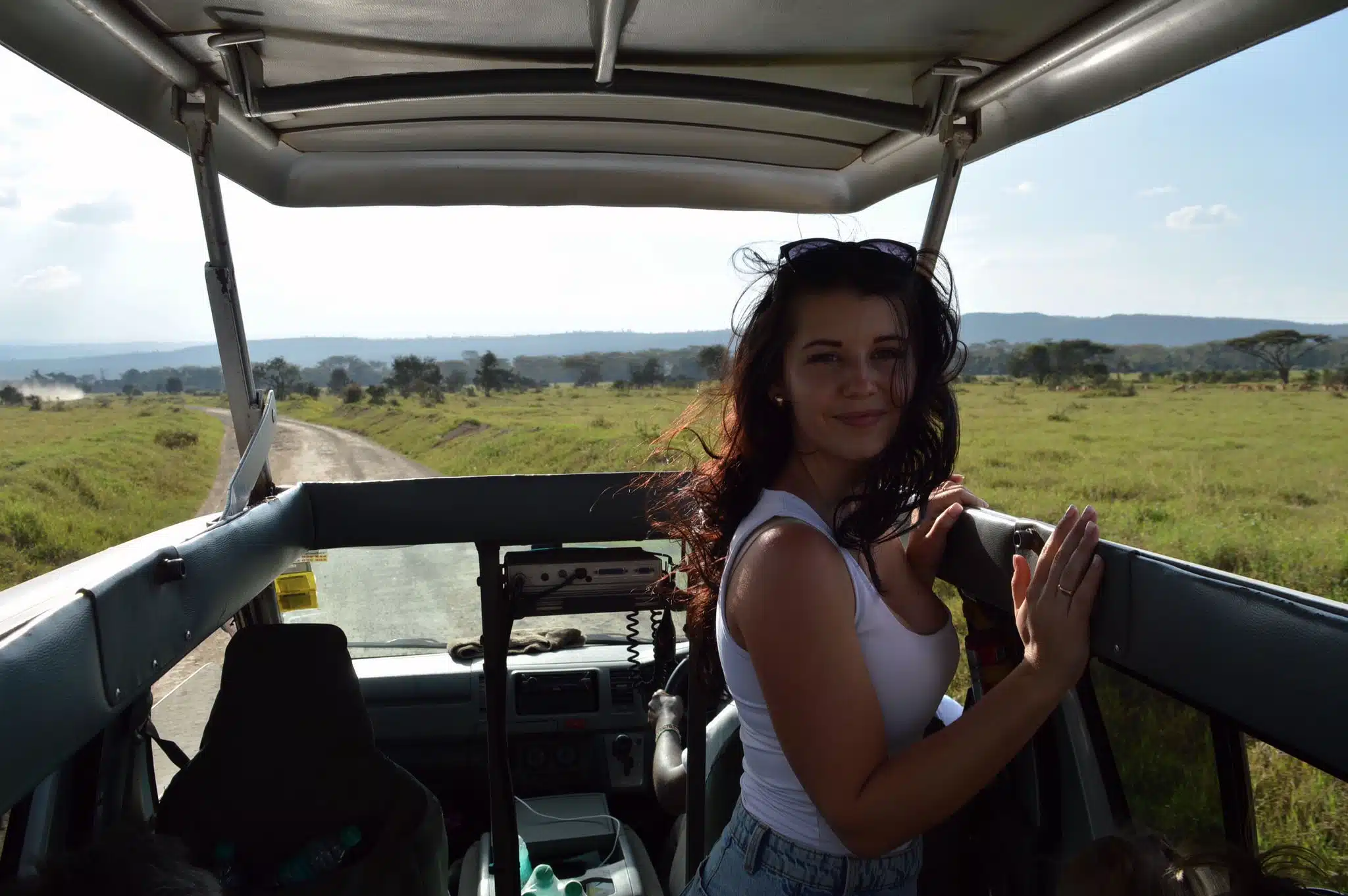

Tipping on an African safari is a meaningful way to show appreciation for the dedicated staff who strive to make your journey extraordinary. While it’s not a requirement, it is a common and welcomed practice within Africa’s tourism industry, particularly during safaris. Remember that for many in this field, tips can be a substantial part of their livelihood. By familiarizing yourself with the tipping expectations, you can contribute in a way that resonates with those who serve you.
If you’re still in the planning stage, our Kenya safari packages include private guides, handpicked lodges, and transparent advice to help you prepare for every part of your journey — including tipping expectations.

Who to Tip on an African Safari
The Safari Guides
At the core of your safari experience are the guides, whose passion and expertise breathe life into every moment. They illuminate the wonders of wildlife, the delicate threads of local ecosystems, and the vibrant stories of cultural heritage. A truly exceptional guide dedicates themselves tirelessly, crafting unforgettable memories for their guests. As your adventure comes to a close, it’s a heartfelt gesture to tip your guide, acknowledging the remarkable service that enriched your journey.
Did you know?
A significant portion of safari staff income comes from tips, especially for guides who spend long days ensuring your safety, wildlife sightings, and comfort. Fair tipping directly supports local livelihoods and conservation-linked employment.
Camp or Lodge Staff
The soul of your wilderness adventure truly lies within the dedicated team at your safari lodge or tented camp. Here, talented chefs craft exquisite dishes that tantalize your taste buds, while the housekeeping staff envelops you in a cozy, inviting ambiance. The attentive waiters are ever-present, ensuring your every need is met with grace. While service may differ from place to place, luxury lodges often elevate the experience with their exceptional care. Your tips become heartfelt gestures of gratitude, celebrating the extraordinary service that enriches your journey.
Pro Tip: In many lodges, kitchen and maintenance staff are supported through shared staff tip boxes. Tipping individual staff outside the recommended system may unintentionally disrupt internal tipping structures.
Housekeepers
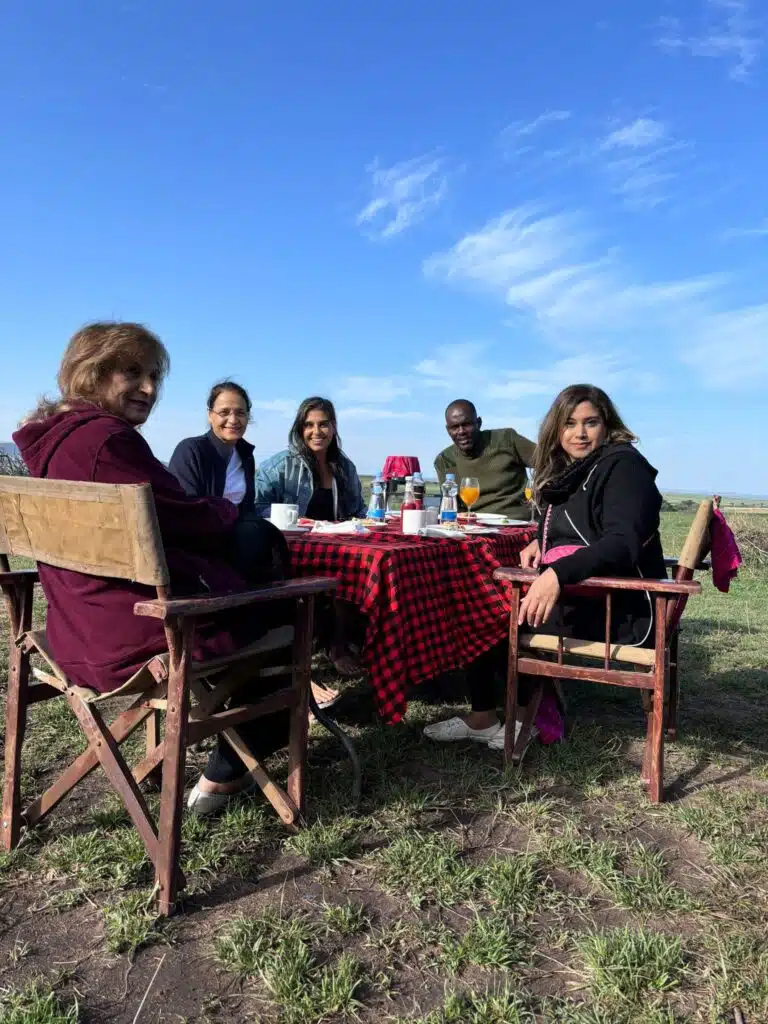
Immersed in the luxurious ambiance of a lodge or the serene charm of a tented camp, you might discover an incredible housekeeping team, diligently working to ensure your surroundings are a true refuge of comfort. When your journey comes to a close, a tip can be a heartfelt token of thanks, acknowledging their unwavering commitment to creating a cozy and welcoming space.
$2–$5 USD per day, depending on the level of service
~ Gemfinders Safaris recommendation
Group Tipping vs. Individual Tipping
Tipping structures can also vary depending on whether you’re traveling on a private safari in Kenya or joining a shared group experience, with private safaris offering more flexibility and personal discretion.
During a group safari adventure, tips are frequently gathered and then fairly divided among the hardworking staff, with the safari operator or tour leader overseeing this generous act. However, many travelers find joy in tipping specific individuals, especially when they have experienced outstanding service from one person. Usually, your tour leader will provide insights on the most appropriate way to distribute tips, whether as a group or individually.
How to Tip
Cash
When it comes to tipping, cash remains the most widely accepted and genuine method. While certain luxury lodges and camps may offer the option to add tips to your final bill, the warmth of personally giving cash to those who have gone above and beyond is truly unmatched.
Pro Tip: Set aside a dedicated tipping budget before arriving in Kenya. Carry small USD denominations ($5, $10, $20) to make tipping easy without needing change during your safari.

Currency
In Africa, the US dollar holds a special place, embraced by many as the go-to currency for tipping. However, if you find yourself in more secluded camps or lodges, don’t hesitate to show your appreciation with the local currency as well.
Did you know?
While US dollars are widely accepted for tipping, Kenyan shillings are equally appreciated — especially by support staff who spend locally and avoid currency exchange fees.
Tipping Envelopes
Numerous lodges and safari camps offer tipping envelopes, allowing you to express your gratitude discreetly while ensuring that your generous contributions reach the right hands.
Cultural Considerations
Don’t feel pressured
Tipping is a choice, one that is always welcomed. Should you feel that the service fell short, it’s completely fine to reflect that in your tip. On the other hand, if the service has truly impressed you, consider expressing your gratitude with a more substantial tip.
Pro Tip: Tipping should always reflect genuine appreciation. If service feels rushed, unsafe, or unprofessional, it’s perfectly acceptable to tip less — or not at all. A safari is a premium experience, and quality service matters.
Respect local customs
Tipping is a heartfelt gesture that conveys your gratitude and respect for the dedication of those who serve you. It’s important to offer your tips with grace and consideration, especially when handing them directly to the staff.
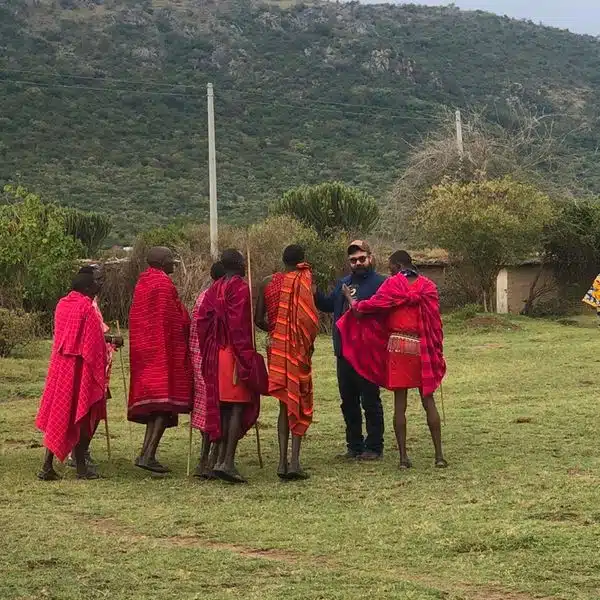
Understanding local culture and social norms can enhance your safari experience — for example, the Maasai and other communities in East Africa have deep traditions around hospitality and reciprocal respect, which can influence how tipping is received. Learn more about the Maasai people’s culture and traditions here.
For first-time visitors, tipping is just one of several details worth preparing for — explore our Kenya safari travel tips to avoid common rookie mistakes and travel with confidence.
Conclusion
Tipping may not be a requirement on an African safari, but it is a deeply meaningful aspect of the adventure. It helps sustain the livelihoods of those who dedicate themselves to the tourism sector, rewarding them for their exceptional service. By being aware of the general tipping practices and adjusting your contributions based on the quality of service, you can ensure that the safari staff receive the recognition they deserve for their unwavering commitment. This small yet impactful gesture supports the sustainable tourism framework in Africa.
Planning your safari? Explore our expert-designed Kenya safari packages or speak directly with a local specialist to prepare for a seamless journey.