Planning a safari in Kenya is a once-in-a-lifetime experience for many travelers. From the sweeping savannahs of the Masai Mara to the elephant herds of Amboseli and the dramatic landscapes of Samburu, Kenya offers some of the finest wildlife viewing in Africa.
One of the most important decisions you’ll make early in your planning process is choosing between a private safari and a group safari. While both options promise unforgettable encounters with wildlife, the overall experience can feel dramatically different depending on the safari style you choose—and how it fits within the wider range of Kenya safari packages available.
In this guide, we break down Private vs Group Safaris in Kenya in clear, practical terms—covering flexibility, costs, comfort, wildlife viewing, and who each option is best suited for—so you can confidently choose the safari that fits you, not just your budget.
Understanding Safari Styles in Kenya
Before comparing the two, it helps to understand how safaris operate in Kenya.
Most safaris involve:
- Game drives in 4×4 safari vehicles
- A professional driver-guide
- Overnight stays in lodges or tented camps
- Park entry fees, meals, and logistics handled by the operator
The key difference lies in who controls the experience—you, or the group.
♦ What Is a Private Safari in Kenya?
A private safari in Kenya is a fully personalized safari experience designed exclusively for you and your travel companions. The vehicle, guide, itinerary, and daily schedule are reserved solely for your party.
At Gemfinders Safaris, all private safaris are custom-built from the ground up, allowing travelers to decide:
- Which parks to visit
- How many days to spend in each location
- Where to stay (budget, mid-range, luxury, or a mix)
- How flexible each game drive should be
Key Features of a Private Safari
- Exclusive safari vehicle for your group only
- Dedicated professional driver-guide
- Flexible daily schedules
- Custom routes and accommodation
- Personalised pace during game drives
Private safaris are available across all comfort levels, not just luxury.
♦ What Is a Group Safari in Kenya?
A group safari (also called a shared or scheduled safari) involves joining other travelers—often people you’ve never met—on a fixed itinerary with set departure dates and pre-selected accommodations.
Group safaris are typically marketed as budget options and operate on tight schedules to accommodate everyone in the vehicle.
Key Features of a Group Safari
- Shared safari vehicle (often 6–7 guests)
- Fixed departure dates
- Pre-planned itinerary
- Limited flexibility during game drives
- One guide serving multiple preferences
Private vs Group Safaris in Kenya: Side-by-Side Comparison
| Feature | Private Safari | Group Safari |
|---|---|---|
| Vehicle | Exclusive | Shared |
| Itinerary | Fully customizable | Fixed |
| Departure dates | Flexible | Fixed |
| Pace | Your choice | Group-dependent |
| Privacy | High | Low |
| Photography | Excellent | Limited |
| Wildlife viewing | Maximized | Time-restricted |
| Cost structure | Split among your group | Per-person |
| Ideal for | Couples, families, photographers | Solo travelers on tight budgets |
Flexibility: The Biggest Difference
Flexibility is the single biggest advantage of a private safari. Wildlife follows its own rhythms, not fixed timetables, and the ability to adapt your day around animal behavior, weather conditions, and personal interests can dramatically shape the quality of your safari experience.
On a Private Safari
- Start game drives earlier or later if you wish
- Stay longer at sightings
- Skip areas that don’t interest you
- Adjust routes based on wildlife movement or weather
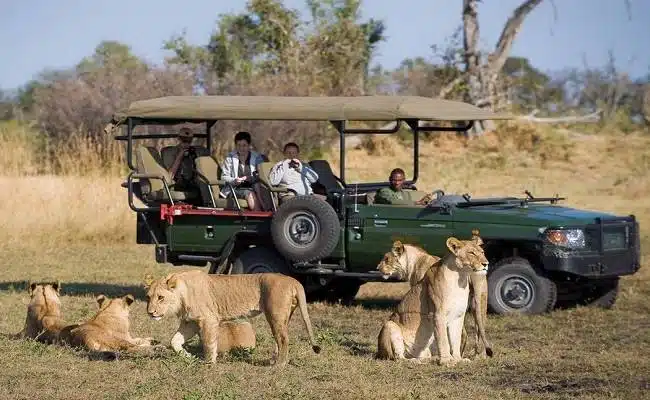
If lions are hunting or elephants are crossing a river, you don’t have to leave because someone else wants breakfast.
On a Group Safari
- Departure times are fixed
- Sightings are time-limited
- Decisions are made to suit the group
- Individual interests are often compromised
For travelers who value control and spontaneity, private safaris offer a far superior experience.
Wildlife Viewing: Quality Over Quantity
When comparing private vs group safaris in Kenya, the difference in wildlife viewing often comes down to quality rather than the number of animals seen. Both safari styles operate within park regulations and follow wildlife-viewing guidelines, but the way time is managed on game drives can shape the experience.
Private safaris allow guides greater flexibility to pace sightings calmly, limit vehicle congestion, and observe animals without rushing. By following guidelines set by the Kenya Wildlife Service (KWS) and adjusting movement based on conditions in the park, this approach helps reduce pressure on wildlife while offering a more relaxed and immersive safari experience.
Private Safari Advantage
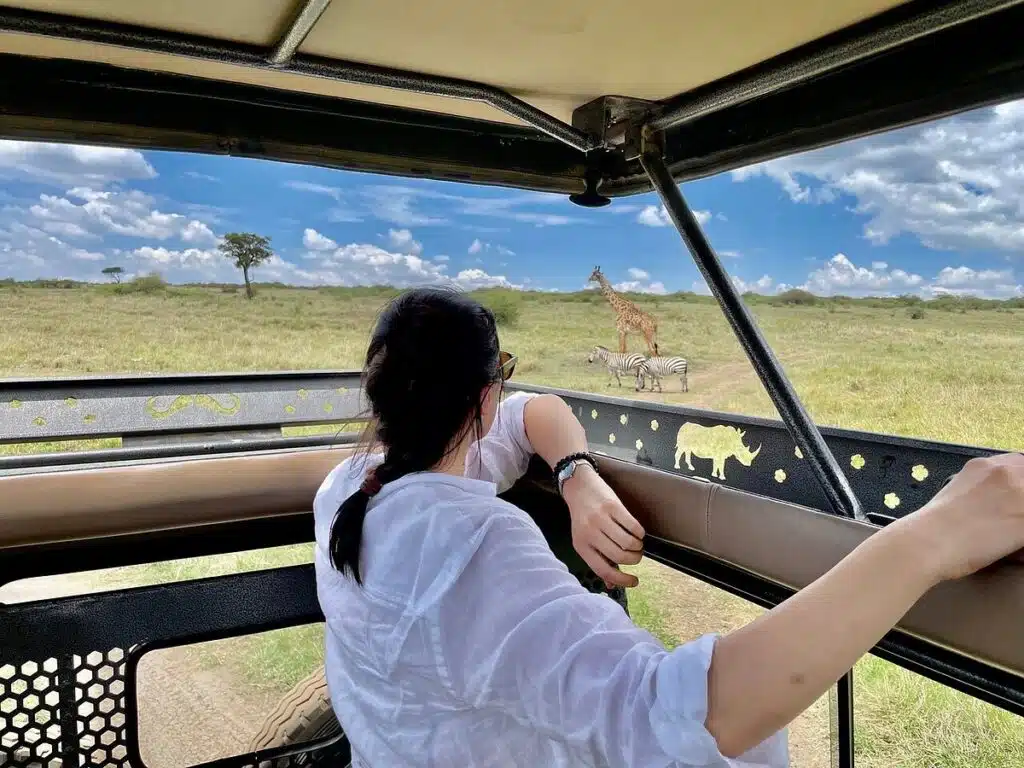
- Longer time at sightings
- Ability to wait for animal behavior (hunts, interactions)
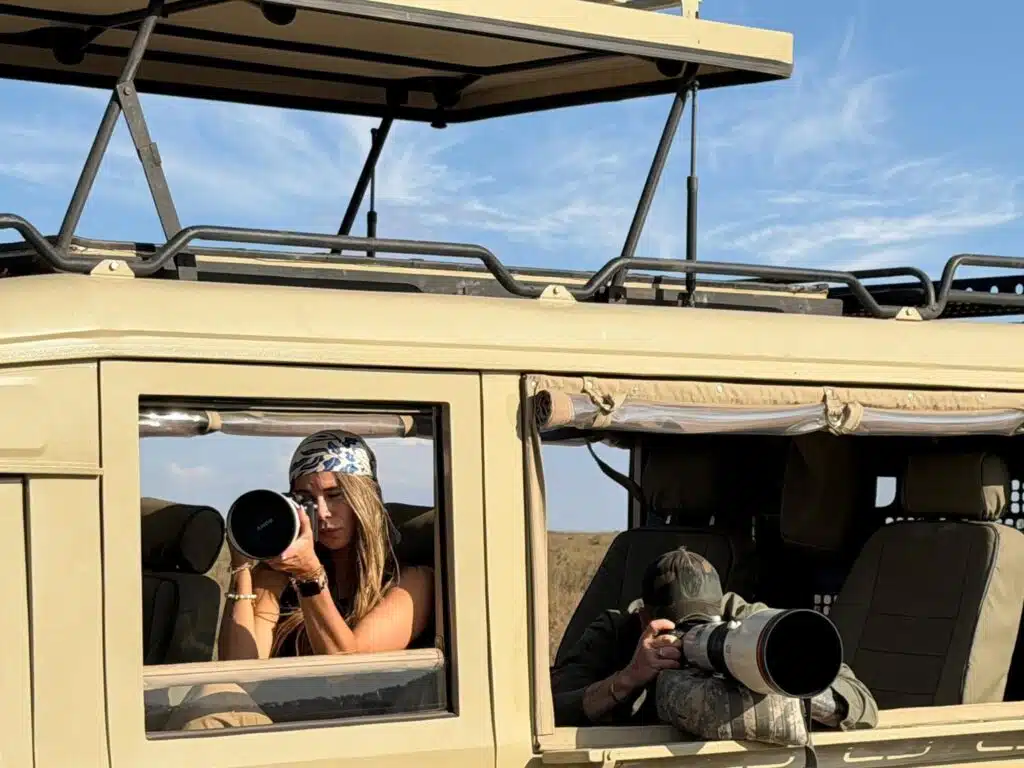
- Better positioning for photography
- Guide focuses entirely on your interests
Group Safari Limitations
- Limited time per sighting
- Vehicle positioning depends on group dynamics
- Photography angles often compromised
- Guides must balance multiple priorities
If wildlife photography or immersive observation matters to you, a private safari offers deeper, more rewarding encounters.
Cost: Are Private Safaris Really More Expensive?
This is one of the most common misconceptions when comparing Private vs Group Safaris in Kenya.
At first glance, group safaris appear cheaper because they advertise a lower upfront per-person price. However, that headline price doesn’t always reflect the true value of the experience. When you look beyond the sticker cost, private safaris in Kenya often offer better overall value, especially for 2–4 travelers..
Why Private Safaris Can Be Better Value
- Vehicle and guide costs are shared within your group
- Accommodation choices can be adjusted to suit budget
- No hidden compromises on experience
- Time efficiency = better sightings
In many cases, a private mid-range safari for two people costs only slightly more than a group safari—but delivers significantly more comfort and flexibility.
Comfort & Privacy
Safari vehicles are intimate spaces—you can spend 6 to 8 hours a day inside them during game drives, often navigating rough terrain and stopping frequently for wildlife sightings. Because of this, comfort and personal space play a much bigger role in your overall safari experience than many travelers expect.
When comparing Private vs Group Safaris in Kenya, comfort and privacy quickly become deciding factors. The number of people in the vehicle, how space is shared, and how flexible the pace is can significantly affect how relaxed and enjoyable each game drive feels. Over several days on safari, these small differences add up—shaping whether your experience feels effortless and immersive, or crowded and rushed.
Private Safari Comfort
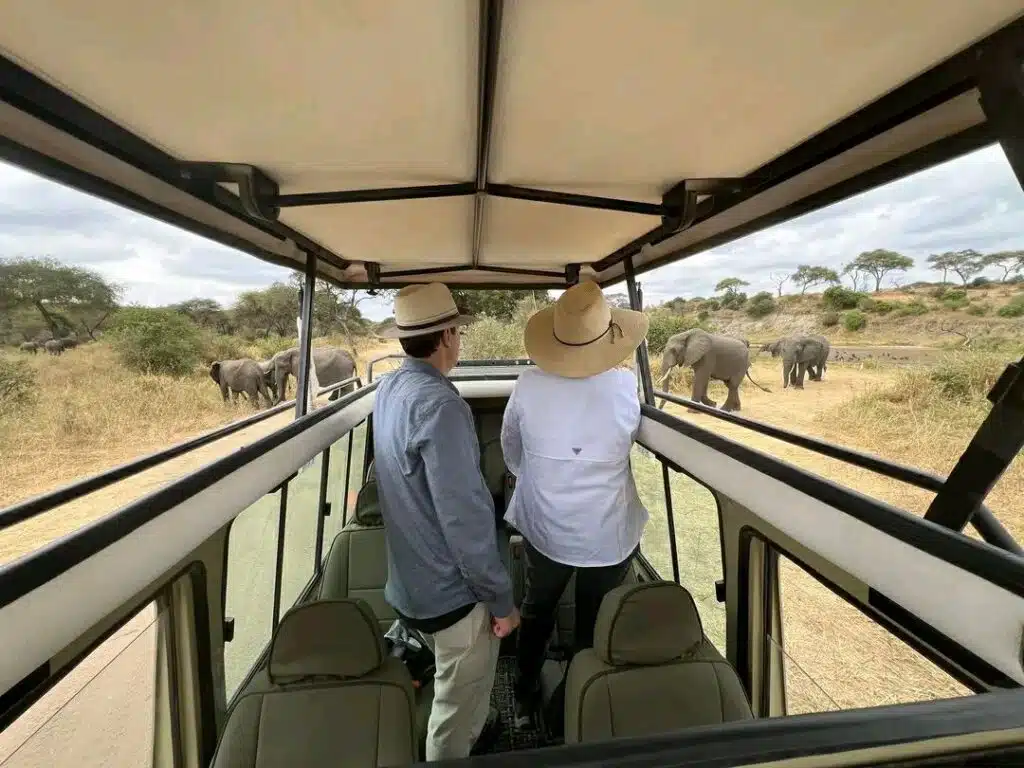
- More personal space
- Window seats guaranteed
- Comfortable pace for children or seniors
- Easier communication with your guide
Group Safari Comfort
- Tight seating
- Shared windows and roof hatches
- Different comfort levels among guests
- Limited personal space
For families, couples, and honeymooners, privacy alone often justifies choosing a private safari.
Who Should Choose a Private Safari in Kenya?
A private safari is ideal if you:
- Want flexibility and control
- Are traveling as a couple or family
- Care about photography
- Prefer a relaxed, unrushed experience
- Want tailor-made accommodation and routing
Private safaris are particularly popular for:
- Honeymoons
- Family safaris
- First-time Kenya safari travelers
- Wildlife photographers
Who Should Choose a Group Safari in Kenya?
A group safari may suit you if you:
- Are traveling solo
- Have a very tight budget
- Don’t mind fixed schedules
- Are comfortable sharing space with strangers
Group safaris can work well for short trips or travelers who prioritize affordability over flexibility.
Private Safaris and Responsible Travel
In the discussion around private vs group safaris in Kenya, private travel allows for a more mindful and responsible approach. Beyond comfort and flexibility, private safaris play an important role in supporting responsible and sustainable tourism in Kenya. How a safari is structured—group size, vehicle use, pacing, and guide decision-making—has a direct impact on wildlife, local communities, and conservation areas.
- Fewer vehicles chasing sightings
- Reduced pressure on wildlife
- Better engagement with local guides
- More respectful pacing in parks
At Gemfinders Safaris, our private safari model emphasizes ethical wildlife viewing and meaningful local partnerships.
Our Honest Recommendation
After years of operating safaris across Kenya and working closely with guests on the ground, our conclusion is clear: private safaris consistently deliver the best safari experience.
This is why Gemfinders Safaris focuses exclusively on private safaris. By limiting group size and designing each itinerary around the traveler—not a schedule—we are able to offer a higher standard of wildlife viewing, comfort, and personal attention than is possible on shared group tours.
When weighing private vs group safaris in Kenya, private travel allows us to:
- Spend more time at wildlife sightings without rushing
- Adapt game drives to real-time conditions and animal behavior
- Match accommodation and pacing to each traveler’s needs
- Maintain ethical, respectful wildlife viewing practices
- Deliver a calmer, more immersive safari experience overall
Group safaris can reduce upfront costs, but they also require compromises—on timing, comfort, and depth of experience. We believe a safari should never feel rushed, crowded, or inflexible.
A safari is not just a holiday; it’s a rare opportunity to experience Kenya’s wildlife and landscapes in a meaningful way. By operating private safaris only, we ensure every journey reflects the care, quality, and authenticity our guests expect—and deserve.
Enquire Now for a Custom Quote
Ready to decide?
Enquire Now for a Custom Quote and let us design a private Kenya safari tailored to your travel dates, interests, and budget—with transparent pricing and no obligation.
???? Enquire Now – Get Your Custom Safari Quote
Frequently Asked Questions (FAQ)
Is a private safari in Kenya worth it?
Yes. When comparing private vs group safaris in Kenya, most travelers find that private safaris offer better wildlife viewing, greater flexibility, higher comfort, and stronger overall value—especially for couples and families.
Are group safaris cheaper than private safaris in Kenya?
Group safaris usually have a lower upfront per-person price. However, in the private vs group safaris in Kenya comparison, private safaris often provide better value when costs are shared among 2–4 travelers.
Can solo travelers choose between private vs group safaris in Kenya?
Yes. Solo travelers can book private safaris, though group safaris may be more cost-effective. Some solo travelers still prefer private safaris for photography, flexibility, or a more personalized experience.
Are private safaris only for luxury travelers?
No. One of the biggest myths in the private vs group safaris in Kenya debate is that private safaris are only luxury. Private safaris are available at budget, mid-range, and luxury levels—the accommodation choice determines the cost, not the safari style.
Which safari option is better for families?
Private safaris are far better for families. Compared to group safaris, they offer flexible schedules, more comfort, and the ability to adapt game drives to children’s needs and energy levels.
Do private safaris see more wildlife than group safaris?
Private safaris don’t guarantee more animals, but they allow you to spend more time at sightings. This often results in higher-quality wildlife experiences compared to group safaris with fixed schedules.
Can I customize a private safari itinerary in Kenya?
Absolutely. Private safaris are fully customizable, including the parks you visit, lodges and camps, safari duration, and the daily pace of game drives.
Are private safaris better for photography?
Yes. Private safaris allow better vehicle positioning, longer time at sightings, and flexibility to wait for the best lighting and wildlife behavior—making them ideal for photography.