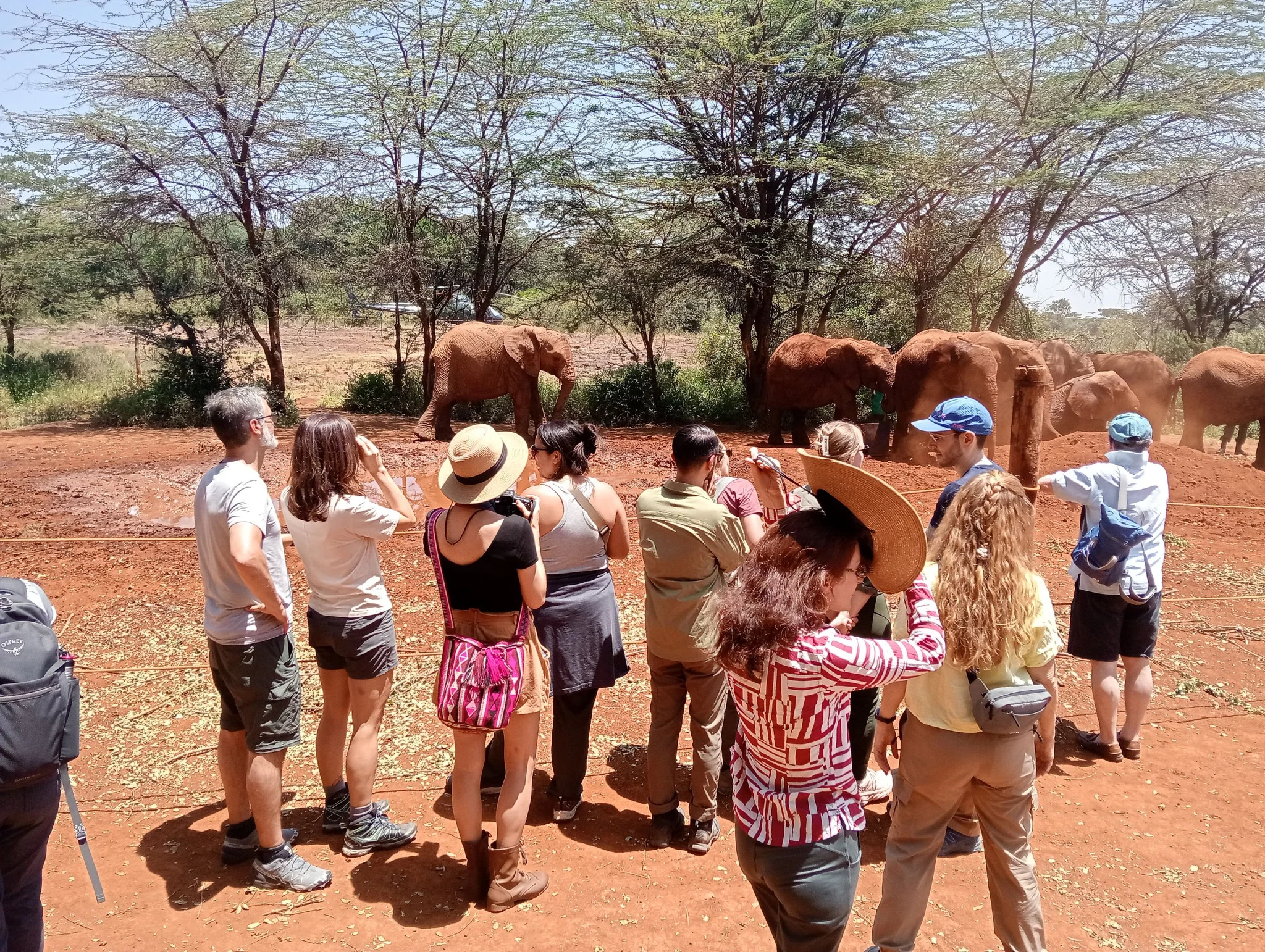
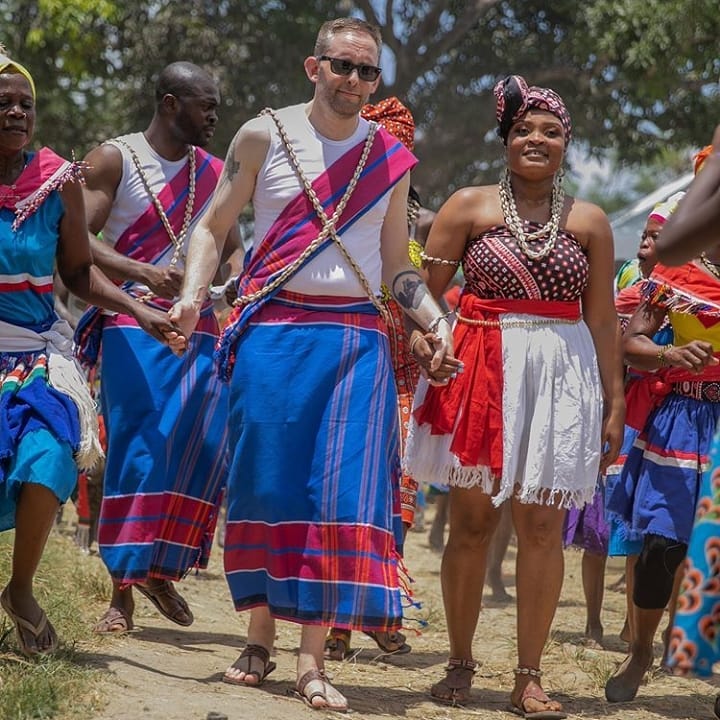
Kenya is a country blessed with a rich tapestry of cultures and traditions, shaped by its diverse ethnic communities, historical influences, and geographical landscapes. A cultural tour in Kenya allows travelers to dive deep into the heart of the nation’s heritage, from the vibrant Maasai traditions to the coastal Swahili influence. Whether you’re trekking through the Rift Valley, exploring the bustling streets of Nairobi, or relaxing on the beaches of the Indian Ocean, there’s a wealth of culture to discover. Here’s a journey through some of Kenya’s most captivating cultural highlights:
1. The Maasai People: A Symbol of Kenya’s Heritage
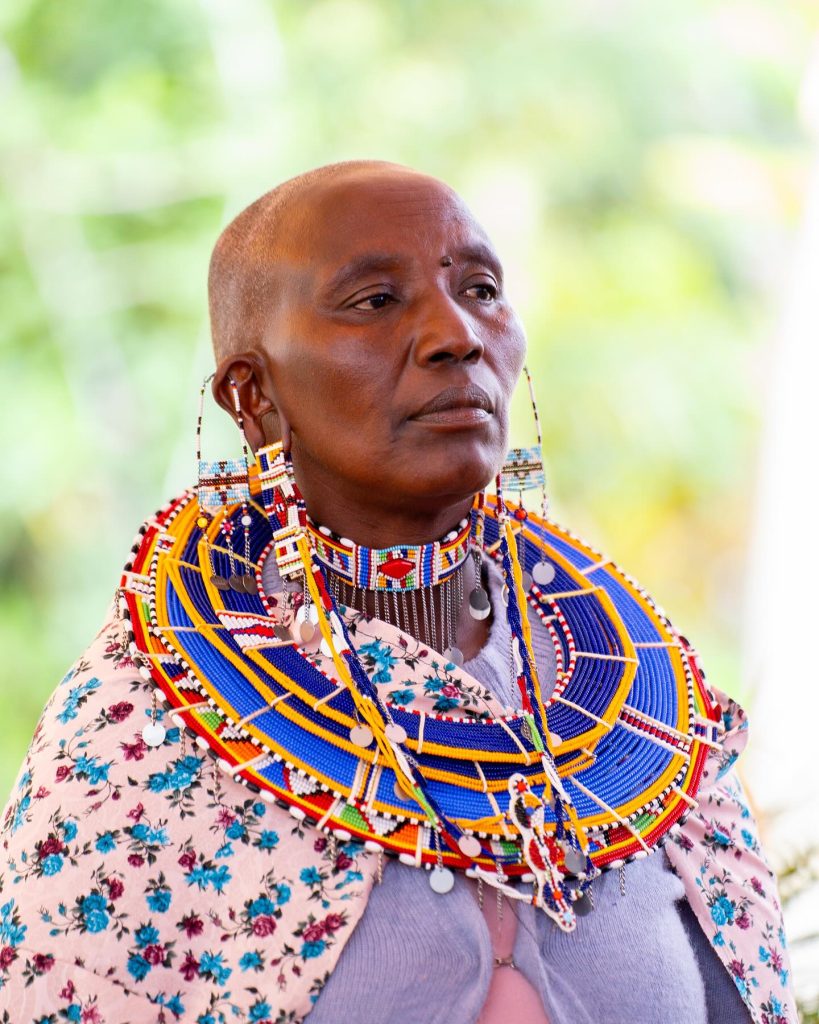
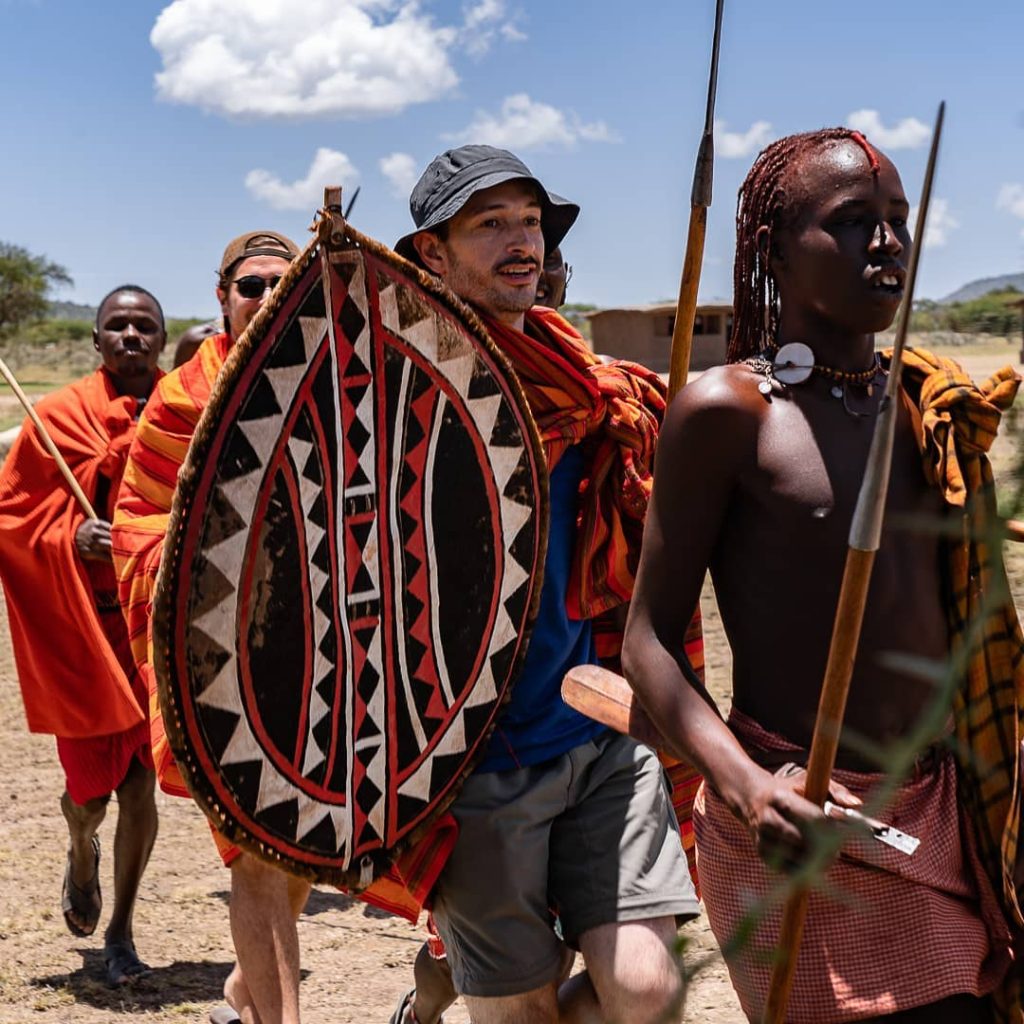
The Maasai are perhaps the most internationally recognized ethnic group in Kenya, known for their distinct customs, clothing, and way of life. A visit to the Maasai Mara offers an opportunity to learn about the Maasai’s semi-nomadic lifestyle, their cattle-herding traditions, and their deeply rooted spirituality.
Cultural Experience: Participate in a traditional Maasai dance, learn about their beadwork, and witness a live demonstration of their unique rituals such as coming-of-age ceremonies or the famous jumping dance.
Maasai Mara: While exploring this world-renowned safari destination, don’t miss a visit to a Maasai village to engage with the community, explore their homes, and understand their close-knit connection with the land.
Interested in authentic encounters? Explore our Maasai cultural tours in Kenya for immersive village visits, traditional ceremonies, and storytelling under the stars.
2. Swahili Culture: The Coastal Fusion of Africa and Arabia
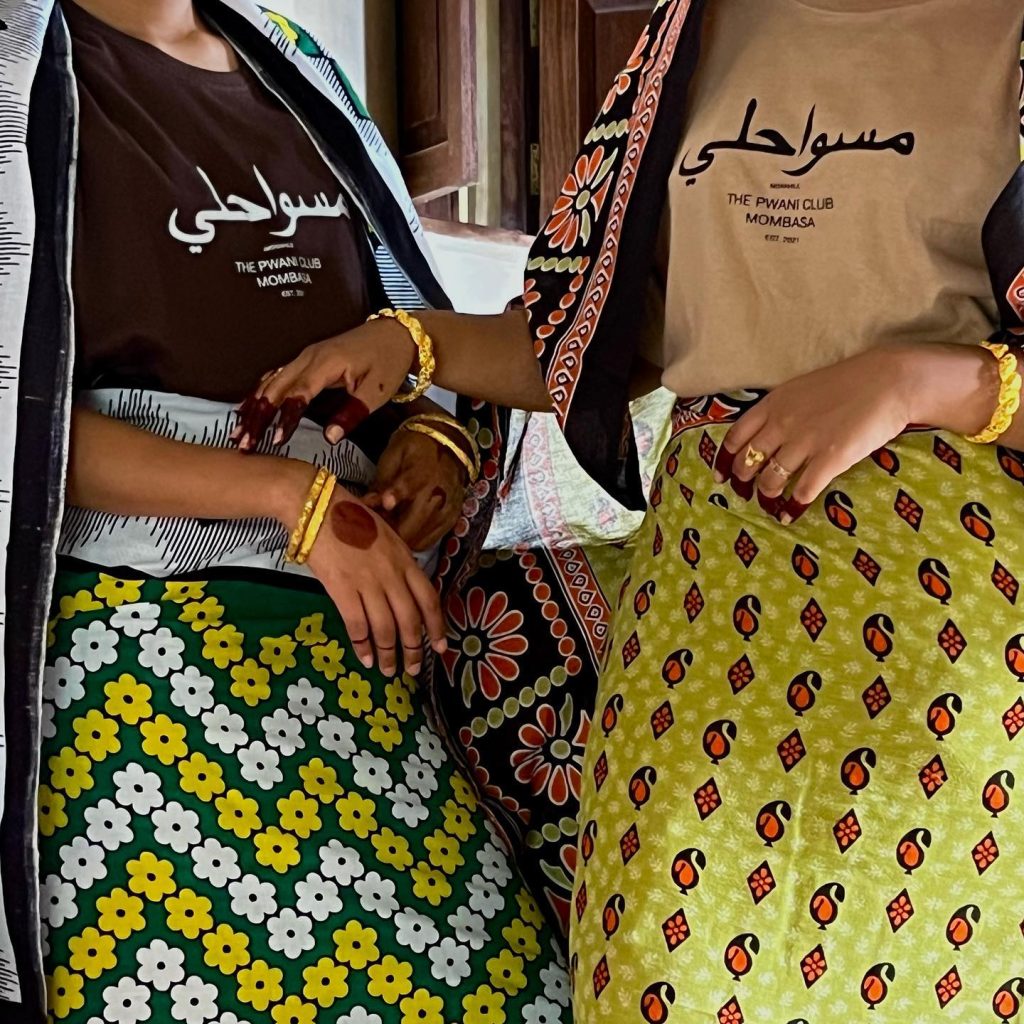
Kenya’s coastline along the Indian Ocean has long been a melting pot of cultures, heavily influenced by Arab, Persian, Indian, and Portuguese traders. The Swahili culture, which emerged in this coastal region, is a beautiful blend of African, Arab, and Indian traditions, evident in the art, architecture, food, and language.
Lamu Island: As one of Kenya’s oldest Swahili settlements, Lamu offers a truly immersive experience. The island’s narrow streets, ornate doors, and traditional dhow boats tell the story of Swahili culture. The UNESCO World Heritage-listed town is full of history, where you can witness traditional Swahili architecture and explore ancient mosques and fortresses.
Cuisine: Swahili cuisine reflects the historical mix of African and Arab influences. A tour of coastal towns like Mombasa and Malindi offers a chance to taste mouth-watering dishes like biryani, pilau, and seafood such as samaki wa kupaka (grilled fish with coconut sauce). Don’t forget to sample fresh coconut water straight from the source!
Cultural travel isn’t just about places—it’s also about timing. Plan your trip around Kenya’s top cultural festivals to witness colorful ceremonies, sacred rituals, and traditional music that bring these communities to life.
3. Kikuyu Culture: A Glimpse into Kenya’s Highland Traditions
The Kikuyu are the largest ethnic group in Kenya and have played a central role in the country’s history. Their ancestral lands lie in the central highlands, around the area of Mount Kenya. The Kikuyu culture is rich in agricultural traditions, mythology, and deep respect for nature.
Gikuyu and Mumbi: According to Kikuyu mythology, Gikuyu and Mumbi are considered the first couple, and their descendants have a profound spiritual connection to Mount Kenya. Visiting the area allows you to learn about Kikuyu ceremonies, such as the famous “circumcision rites,” which mark the transition from adolescence to adulthood.
Cultural Immersion: Engage with the Kikuyu people in towns like Nyeri and Murang’a, where visitors can learn about their farming practices, the significance of the sacred Mount Kenya, and their role in the country’s independence struggle.
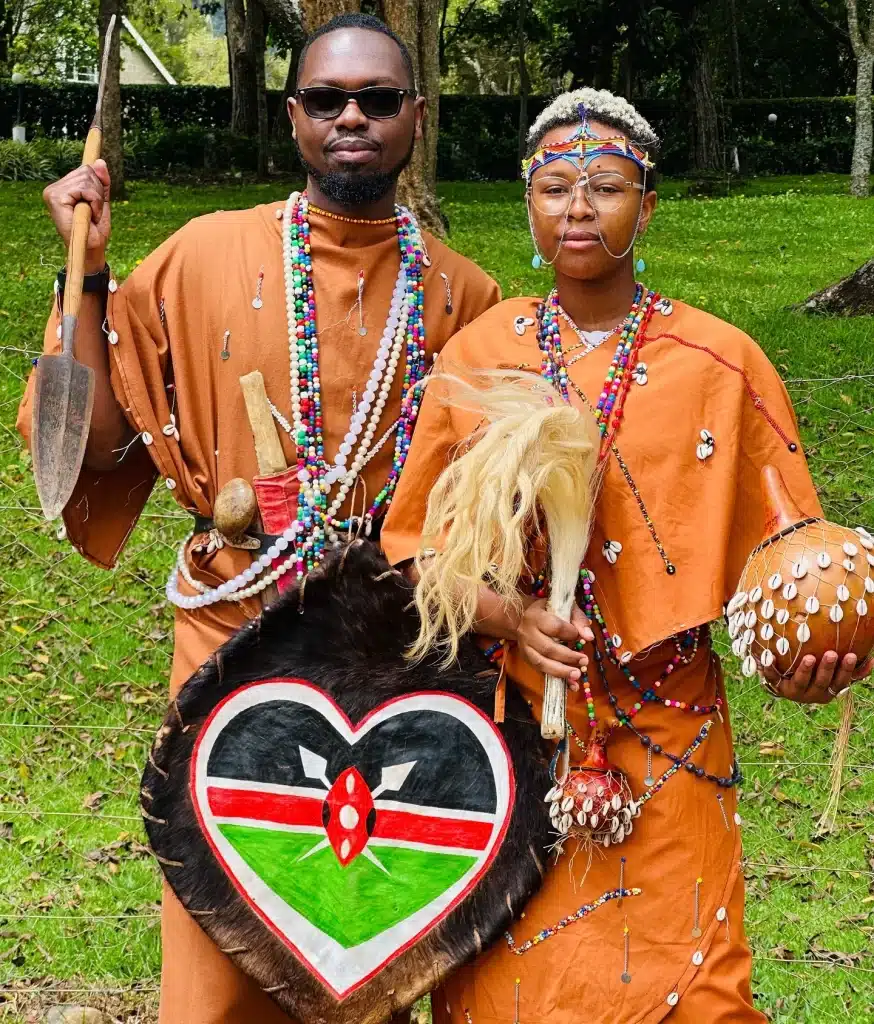
???? Pro Tip: If you’re flying into Nairobi, consider adding a Kikuyu village visit to your first day itinerary—many are within an hour’s drive of the city and offer hands-on cultural introductions.
4. The Samburu and Their Connection with Nature
The Samburu people, closely related to the Maasai, inhabit the northern regions of Kenya, near the Samburu and Shaba game reserves. Known for their vibrant clothing and intricate beadwork, the Samburu maintain a strong connection with the land and wildlife, which plays an essential part in their culture.
Cultural Insights: Visitors can visit Samburu villages to witness their pastoral way of life, with their herds of cattle and goats, and observe the role that elders and warriors play in decision-making. The Samburu are also known for their stunning beadwork, each color and design carrying a specific meaning related to status, age, and tribe.
Wildlife Connection: Their intimate relationship with nature means that the Samburu are some of Kenya’s best conservationists. During safaris in Samburu National Reserve, you’ll likely interact with the community and gain insight into their conservation efforts and commitment to protecting Kenya’s wildlife.
For travelers drawn to wildlife and indigenous traditions, our Samburu cultural tour experiences offer guided interactions with elders, nature walks, and conservation discussions.
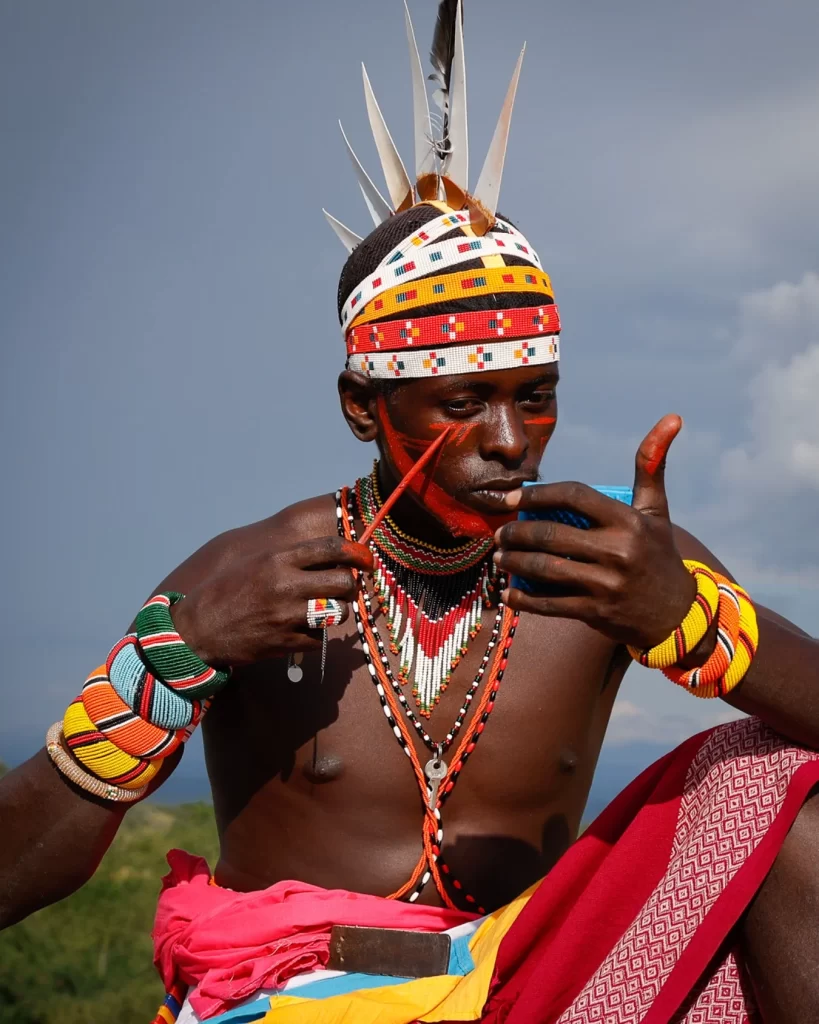
???? Did You Know? The Samburu are closely related to the Maasai but maintain distinct rituals, clothing, and dialect. They also play a vital role in northern Kenya’s wildlife conservation through community-led initiatives.
Curious how Samburu culture and wildlife beautifully intersect? Read our article on Samburu Safari Secrets: The Allure of the Special Five, where we uncover rare animal sightings and the strong role the Samburu people play in conservation.
5. The Luo People: The Lakeside Culture of Western Kenya
The Luo people, based around Lake Victoria in western Kenya, have a rich cultural heritage centered on fishing, music, and oral storytelling. The Luo are known for their traditional dances, music, and an appreciation for the arts.
Lake Victoria: A visit to the vibrant towns of Kisumu or Homabay offers a chance to experience the Luo’s deep connection to Lake Victoria. Fishing and fish farming are vital to their economy and lifestyle. You can even take a boat ride on the lake to see the traditional fishing methods still used today.
Music and Dance: The Luo people are famous for their music, especially the popular Ohangla dance and the use of traditional instruments like the Orutu (a one-stringed violin). Don’t miss an opportunity to participate in a traditional Luo dance performance.
???? Pro Tip: Time your visit around a local Luo festival or music event in Kisumu to catch Benga music performances and colorful lakefront celebrations.
6. The Turkana People: Life in the Arid North
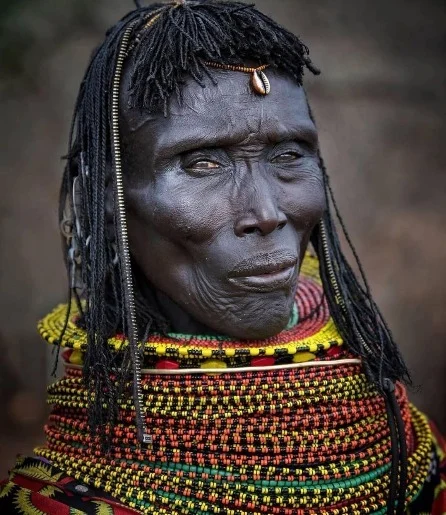
The Turkana people live in the arid northwestern part of Kenya, near Lake Turkana, one of the most remote and beautiful places in the country. Known for their resilience and adaptability in harsh environments, the Turkana are cattle herders and fishermen.
Cultural Visits: The Turkana are famous for their beautiful jewelry, including beaded necklaces, bracelets, and headdresses. A visit to the remote Turkana region allows you to learn about their nomadic way of life, their stunning beadwork, and their reliance on cattle for survival.
Lake Turkana: Known as the “Cradle of Mankind” for its archaeological significance, Lake Turkana is a must-see destination. Visitors can tour the archaeological sites and museums that showcase early human history and interact with the Turkana community.
???? Did You Know? Lake Turkana is the world’s largest desert lake and a UNESCO World Heritage Site, offering both archaeological significance and profound cultural history.
7. The Meru People: The Guardians of Mount Kenya’s Sacred Lands
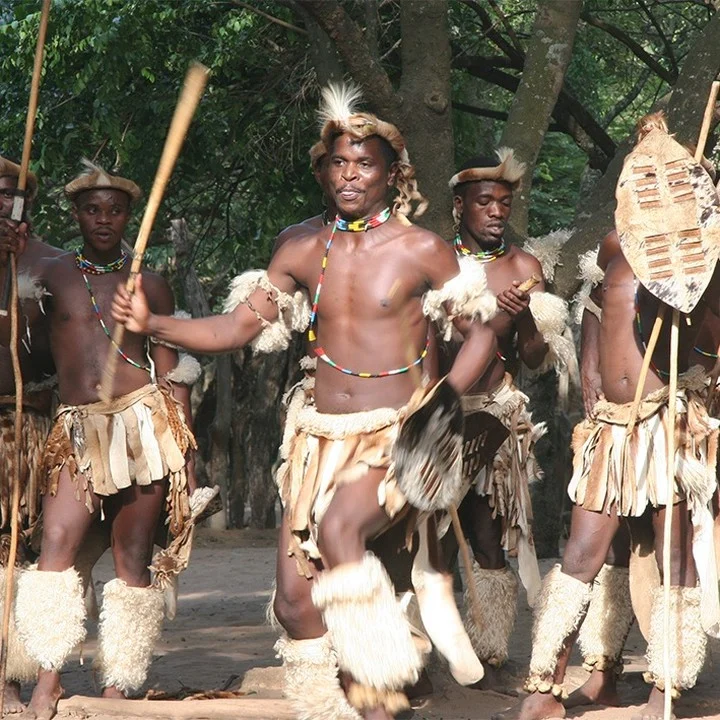
The Meru people are located in the foothills of Mount Kenya and have a rich heritage deeply connected to the mountain. Their culture is rooted in agricultural practices and their reverence for the land, as well as their traditional crafts.
Sacred Rituals: The Meru have a strong connection to the sacred forests surrounding Mount Kenya. Traditional Meru ceremonies, such as the famous circumcision rites, mark significant life milestones and are seen as vital for connecting with the spiritual forces of Mount Kenya.
Cultural Insights: In addition to their agricultural practices, the Meru people are renowned for their unique art, including beadwork and pottery. A cultural tour of the Meru region will give you the chance to witness their craftsmanship firsthand, and learn about the ancestral beliefs that continue to guide their way of life.
Looking to experience Kenya’s highland cultures up close? Consider our 5‑Day Samburu, Meru & Ol Pejeta Safari, where you can explore traditional Meru villages, connect with community elders at Mount Kenya’s foothills, and enjoy wildlife and cultural insights across Samburu, Meru, and Ol Pejeta.
For a deeper experience of the remote and culturally rich Meru region, explore our guide to Meru National Park. It highlights how the park’s landscapes complement the spiritual and cultural heritage of the Meru people.
???? Let Culture Guide Your Safari
A cultural tour in Kenya isn’t just about seeing—it’s about connecting. From ancient rituals on sacred mountains to coastal spice markets and desert storytelling circles, every moment reveals something extraordinary. Whether you’re traveling solo, with friends, or as a family, we’ll help you craft a journey that respects, celebrates, and supports the communities you visit.
???? Start Planning Your Cultural Tour with local experts at Gemfinders Safaris.
Conclusion: Embracing Kenya’s Cultural Diversity
Kenya’s cultural heritage is as diverse as its landscapes, from the bustling urban life of Nairobi to the quiet, spiritual rhythms of Maasai villages. A cultural tour of Kenya offers the opportunity to immerse yourself in the fascinating traditions and customs of the country’s many ethnic groups. Each tribe has its unique story to tell, and every corner of Kenya offers a chance to learn and appreciate the depth of this nation’s cultural wealth. Whether you’re on a safari, a beach holiday, or exploring the highlands, don’t miss the chance to connect with Kenya’s people and discover the soul of this incredible country.
Planning a personalized trip? View our Kenya cultural tour packages or chat with our team to create your ideal mix of heritage, wildlife, and authentic community visits.