Did You Know? The name Diani comes from the Digo people, one of the coastal Mijikenda communities. In their language, Diani refers to a sacred place or settlement, often linked to ancestral lands and kaya forests—spiritual groves used for rituals and community gatherings. What is now a world-famous beach was once revered as a place of deep cultural and spiritual significance.
A Brief Coastal History & the Allure of Diani
Kenya’s Indian Ocean coastline is far more than just a stretch of sun-soaked resorts. For over a thousand years, this richly layered region has been a crossroads of cultures, trade, and maritime power—where African, Arab, Persian, Indian, and European influences have shaped one of East Africa’s most captivating historical landscapes.
- From the 9th to 15th centuries, powerful Swahili city-states such as Malindi, Mombasa, and Lamu flourished as key trade hubs. These ports exported ivory, gold, and spices to Persia and Ming-era China, giving rise to a unique Swahili-Arabic culture still visible today in the region’s carved doors, coral-stone buildings, and narrow, labyrinthine alleyways.
- By 1498, the arrival of Vasco da Gama marked the beginning of Portuguese influence along the coast. They built forts, introduced new trade routes, and left enduring landmarks—like the Vasco da Gama Pillar in Malindi. However, by the 17th century, Omani Arabs displaced the Portuguese, reinforcing Islamic culture and architecture, particularly in places like the Lamu Archipelago, now a UNESCO World Heritage Site.
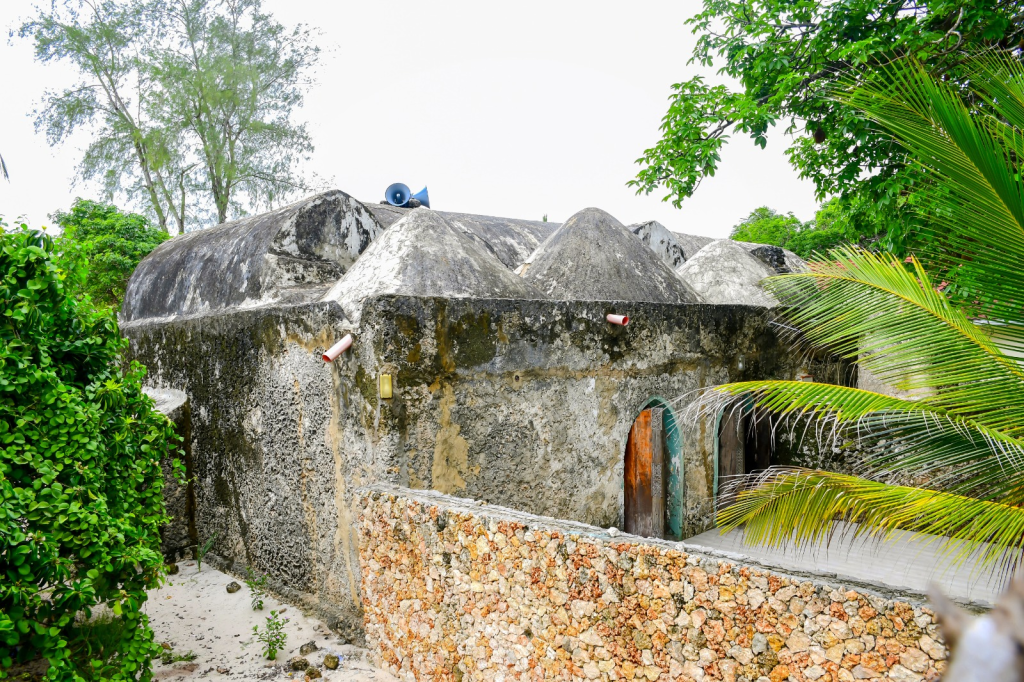
- Along the South Coast, the 13th-century Kongo Mosque—the oldest mosque on Kenya’s coast still in use—serves as a powerful reminder that even this modern-day playground has deep, ancient roots.
- As centuries passed, Kenya’s coast continued to evolve. With British colonial influence in the 19th and 20th centuries, and independence in 1963, the region opened to global tourism. Modern infrastructure, including airports and coastal highways, made it easier than ever for travelers to access this rich tapestry of history, culture, and natural beauty. Today, the coast is a vibrant fusion of old and new—where dhow sails share the sea with luxury catamarans, and sacred forests thrive alongside boutique resorts.
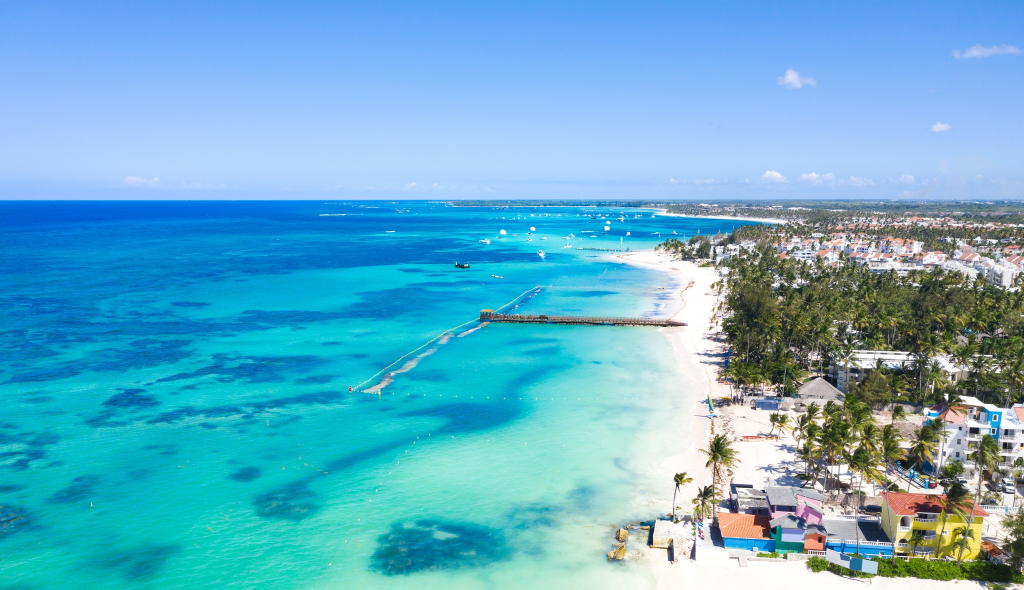
- At the heart of this modern coastal revival lies Diani Beach—widely considered the jewel of Kenya’s coastline. With its powdery white sand, swaying palms, and clear, reef-protected waters, Diani has been named Africa’s Leading Beach Destination eight times by the World Travel Awards. Beyond its breathtaking scenery, Diani offers something for every traveler: world-class diving, water sports, fine dining, wildlife conservation, and Swahili hospitality. It is not only a gateway to Kenya’s hidden coastal gems but a destination that perfectly captures the past, present, and future of the East African coast. Today, Diani’s powder‑white beach and easy flight access make it the perfect springboard to explore the coast’s lesser‑known treasures such as the Shimba Hills National Reserve.
Beyond Diani: Five Hidden Coastal Wonders
While Diani Beach rightfully earns its place as Kenya’s coastal crown jewel, it often overshadows other equally breathtaking destinations along the Indian Ocean. Tucked away beyond the well-trodden tourist paths are hidden coastal wonders—places where culture, wildlife, adventure, and sustainability come together in unforgettable ways. From untouched beaches and ancient towns to marine sanctuaries and mangrove-lined creeks, these lesser-known gems promise a more intimate, authentic slice of Kenya’s coastal magic.
1. Wasini Island & Kisite‑Mpunguti Marine Park
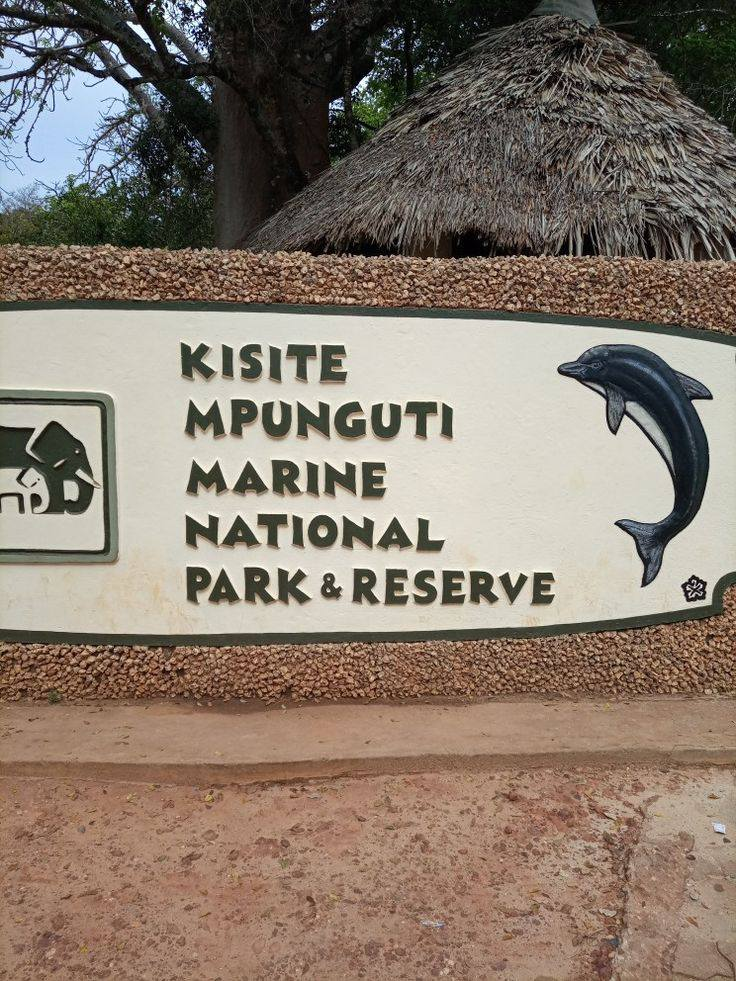
Just off the southern coast near Shimoni lies Wasini Island, a tranquil, car-free paradise steeped in Swahili culture and maritime heritage. A short dhow ride away, the Kisite-Mpunguti Marine Park awaits—one of Kenya’s premier snorkeling and diving spots. Often overlooked by visitors rushing to Diani, this protected marine haven offers vibrant coral reefs, playful dolphins, sea turtles, and seasonal humpback whales. Wasini Island itself is equally rich in charm, with coral-built villages, traditional seafood, and community-led conservation that makes every visit feel meaningful. For those seeking an eco-friendly adventure, Wasini offers a perfect getaway, combining both cultural history and stunning marine experiences. To discover more about Kenya’s coastal safaris, explore our Kenya Safari Packages, which offer an exclusive mix of marine and wildlife adventures you won’t find anywhere else.
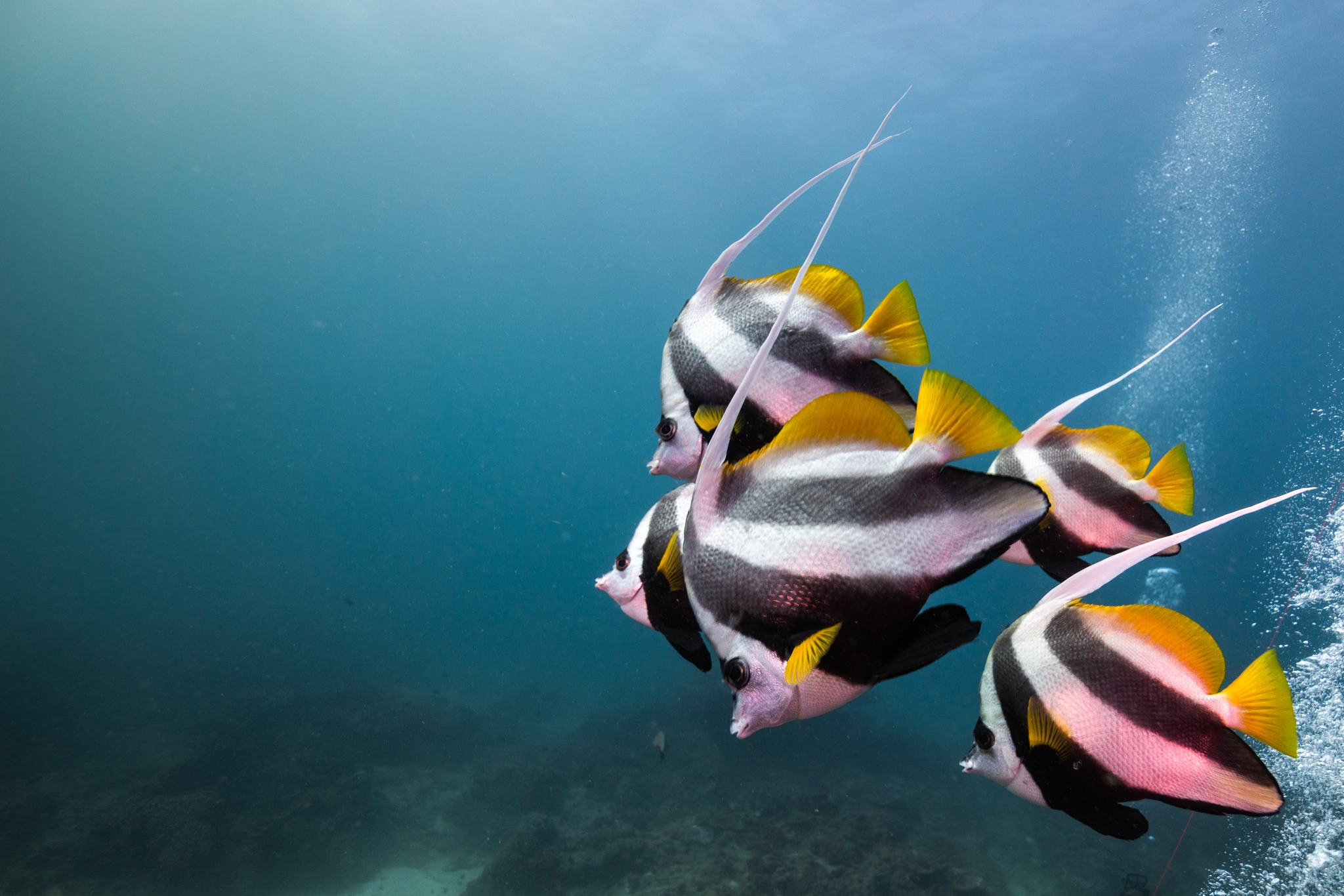
- Wildlife Encounters: Snorkel in “Home of the Dolphins”; 250+ reef‑fish species, hawksbill turtles and seasonal humpbacks cruise the park’s crystal gardens.
- Cultural Immersion: Stroll Wasini’s Swahili villages or explore the Shimoni Slave Caves, a haunting echo of the 18th‑‑19th‑century slave trade.
- Adventure Activities: Dhow‑sail, kayak mangroves, or join an early‑morning scuba drift over drop‑offs alive with butterfly‑fish.
- Conservation & Sustainable Travel: The community‑run Wasini Women’s Boardwalk channels your entry fee into local schools while protecting delicate petrified‑coral gardens.
Pro Tip: Want to avoid the crowds? Visit Wasini Island early in the morning or late afternoon when the waters are calmer and the marine life is most active. For an even more unique experience, try booking a private tour to explore the island’s hidden beaches and secluded snorkeling spots.
After exploring the unique marine life of Wasini Island, you might want to dive deeper into Kenya’s other wildlife-rich destinations. Amboseli National Park is another spectacular location, renowned for its elephant herds and stunning views of Mount Kilimanjaro. If you’re interested in discovering more about Kenya’s incredible national parks and wildlife, check out our . This post will guide you through the park’s key highlights, making it a must-see for any safari enthusiast.
2. Lamu Archipelago
Tucked away in Kenya’s far north coast, the Lamu Archipelago is a timeless treasure where ancient Swahili culture thrives amid narrow stone alleyways, ornately carved doors, and centuries-old mosques. The island of Lamu, a UNESCO World Heritage Site, is the oldest continually inhabited Swahili town in East Africa—rich with history, dhow-building traditions, and Islamic heritage. With no cars and a slower pace of life, Lamu offers a deep cultural immersion unlike anywhere else on the coast. Beyond Lamu town, the archipelago’s smaller islands—like Manda, Pate, and Kiwayu—boast secluded beaches, mangrove creeks, and quiet charm untouched by mass tourism.
- Wildlife Encounters: Donkey sanctuary tours and sea‑turtle patrols on the quiet beaches of Manda and Kiwayu.
- Cultural Immersion: Lamu Old Town, a UNESCO World Heritage Site, preserves 700 years of Swahili architecture; time your visit for the Maulidi or Lamu Cultural Festival.
- Adventure Activities: Dhow island‑hopping, sand‑dune boarding at Shela, stand‑up‑paddle in mangrove‑ringed channels.
- Conservation & Sustainable Travel: Heritage‑tax funded restorations keep coral‑rag townhouses alive; dhow owners now use solar lighting and reef‑safe sunscreen rules on board.

3. Watamu & Malindi Biosphere Reserve
Nestled along Kenya’s North Coast, the Watamu and Malindi Biosphere Reserve is a stunning blend of marine and terrestrial ecosystems, protected under UNESCO for its unique biodiversity and cultural heritage. From the pristine beaches of Watamu to the ancient ruins of Gede, this region offers a perfect balance of conservation, community, and adventure. Offshore, the Watamu Marine National Park teems with coral gardens, sea turtles, and reef fish, while inland forests like Arabuko Sokoke shelter rare species like the golden-rumped elephant shrew. Whether you’re diving into clear lagoons, birdwatching, or exploring Swahili heritage, Watamu and Malindi invite you to experience Kenya’s coast at its most vibrant and sustainable.
- Wildlife Encounters: Night patrol with Watamu Turtle Watch (24,000+ rescues since 1998) or bird in the nearby Arabuko‑Sokoke Forest for endemic owls.
- Cultural Immersion: Wander the 12th‑century Gede Ruins; visit Malindi’s Kipepeo Butterfly Farm where locals earn by rearing pupae.
- Adventure Activities: Kite‑surf Turtle Bay, deep‑sea fish the Pemba Channel, or cycle the “Gede‑to‑Garoda” coast trail.
- Conservation & Sustainable Travel: Established in 1968, Watamu Marine National Park is a UNESCO Biosphere Reserve; reef‑mooring buoys eliminate anchor damage.
4. Shimba Hills National Reserve
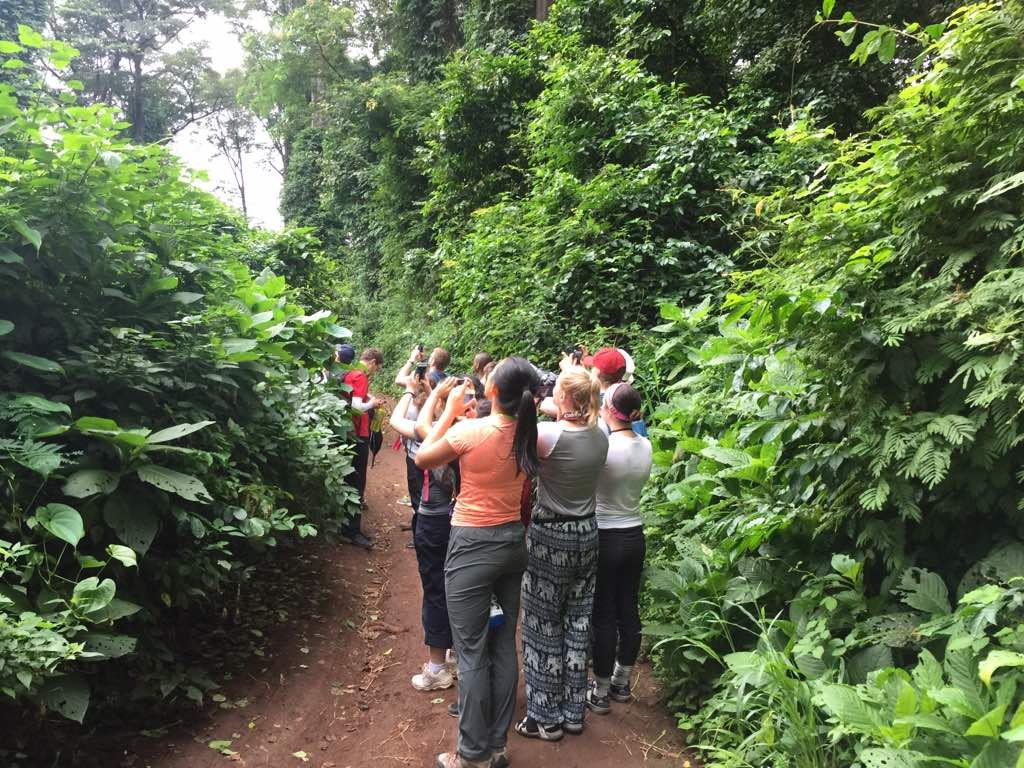
Located just a short distance from Diani, Shimba Hills National Reserve offers a peaceful retreat away from the more visited parks in Kenya. Known for its scenic landscapes, rare wildlife, and hidden waterfalls, it provides a perfect destination for those looking to connect with nature. The reserve is also home to the rare sable antelope, a must-see for wildlife enthusiasts. For a more immersive experience, check out our Safari Experiences and consider booking a luxury safari package with a private guide to explore the reserve in comfort and style.
- Wildlife Encounters: Track Kenya’s last free‑roaming sable antelope and large forest elephants in mist‑draped hills.
- Cultural Immersion: Hike to Kaya Kwale, a sacred Mijikenda forest glade ringed by giant mahogany, and learn Digo creation lore.
- Adventure Activities: Trek to 25 m‑high Sheldrick Falls and swim beneath the spray; night drives reveal bush babies and civets.
- Conservation & Sustainable Travel: Community rangers monitor elephant corridors; your park fees fund an ongoing sable‑antelope recovery plan.
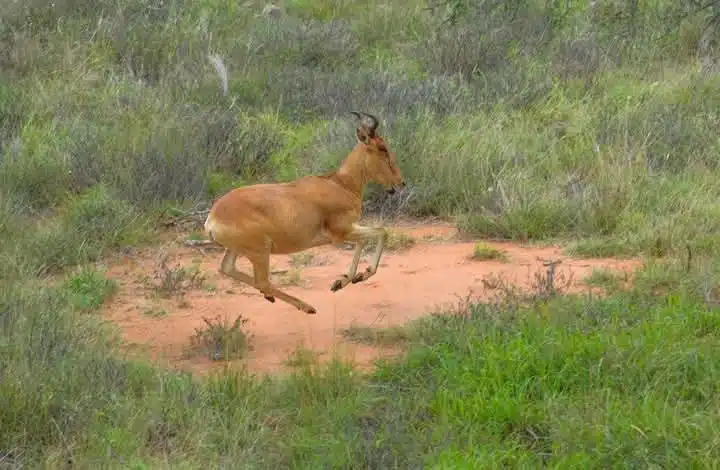
Pro Tip: Pack a pair of binoculars and a camera to capture the breathtaking views of Shimba Hills’ sweeping landscapes and wildlife. A safari in the early morning or late afternoon offers the best chances to see the elusive sable antelope in its natural habitat.
5. Tana Delta & Kipini Mangrove Coast
At the northern edge of Kenya’s coastline lies the unspoiled Tana Delta and Kipini Mangrove Coast, one of the country’s most beautiful and ecologically diverse areas. From kayaking through dense mangroves to birdwatching in remote wetlands, this region offers a sanctuary for wildlife lovers. Experience this pristine environment while supporting conservation efforts by choosing our Eco-Friendly Safaris that focus on sustainable travel practices. By opting for a Sustainable Travel experience, you can contribute to preserving this vital ecosystem for future generations.
- Wildlife Encounters: Spot dugongs, five marine‑turtle species, migrating humpbacks, and 350+ bird species—including the rare Basra reed‑warbler—across 1,600 km² of Ramsar‑protected wetland.
- Cultural Immersion: Sail to Kipini’s Swahili fishing village; tour the converted 1950s prison‑turned‑secondary‑school and sample smoky coconut‑crab curry with village elders.
- Adventure Activities: Kayak tidal creeks at dawn, camp on sand‑spit beaches, or join a guided bird‑ringing session with Nature Kenya ornithologists.
- Conservation & Sustainable Travel: Community Forest Associations have replanted 100,000 + mangrove seedlings since 2018, balancing timber needs with ecosystem health.
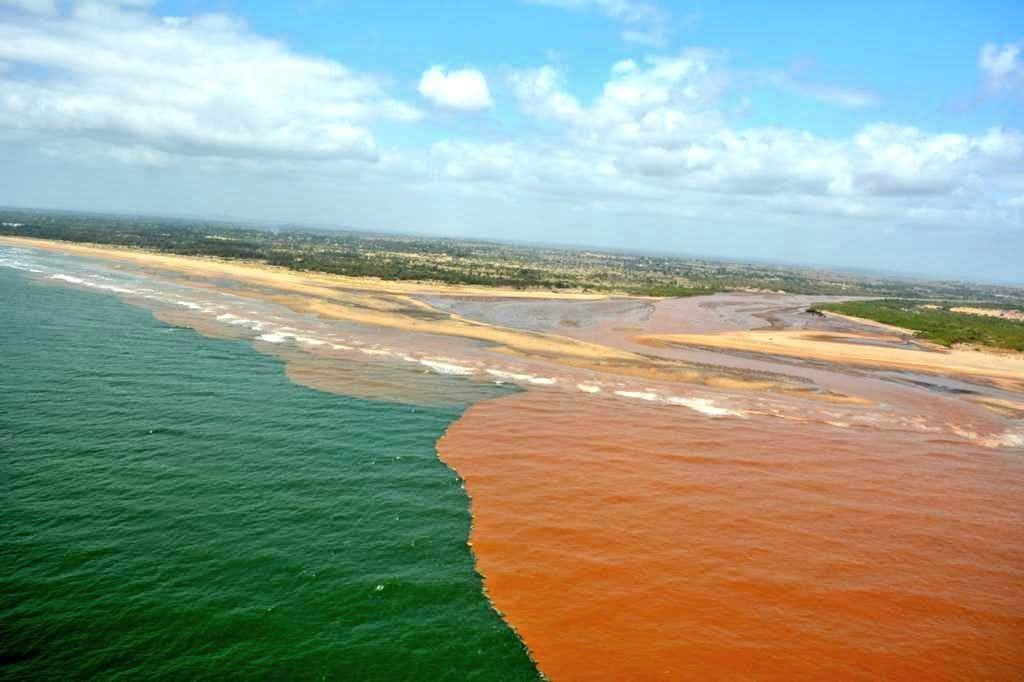
Did you know the Tana Delta is one of the largest mangrove forests in East Africa? This ecosystem plays a vital role in regulating the health of coastal environments and supports various endangered bird species.
Practical Tips for a Low‑Impact Coastal Circuit
- Time Your Tides: Snorkel two hours either side of low tide for the best visibility and least reef damage—especially at Kisite and Watamu.
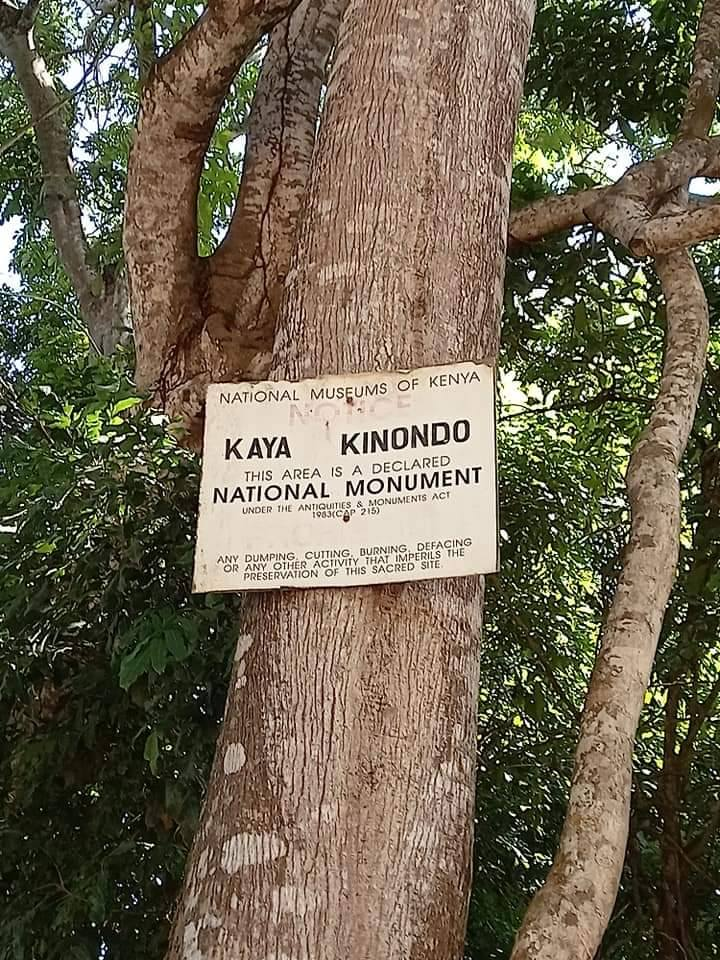
- Respect Kayas: Sacred forests such as Kaya Kinondo require a local guide; remove shoes, speak softly, and never collect seeds or shells.
- Choose Green Operators: Look for lodges with solar power, glass‑bottle refill stations and verified turtle‑friendly lighting.
- Pack for Everything: A light rain jacket, reef‑safe sunblock and binoculars cover coastal showers, midday glare and crested eagle fly‑bys.
Plan Your Journey with Gemfinders Safaris
Are you ready to uncover the hidden treasures of Kenya’s coast? Whether you’re looking for a tranquil escape on the beaches or a wildlife-packed adventure, Gemfinders Safaris offers tailor-made safaris that take you off the beaten path. Our team is dedicated to creating the perfect experience that aligns with your interests. Explore our Kenya Safari Packages for a wide range of options that cater to every traveler. Looking for a more sustainable journey? Discover our Eco-Friendly Safaris to support responsible tourism while enjoying the beauty of Kenya’s coastline.