The Great Migration in Kenya, particularly in the Maasai Mara, is one of the most iconic and awe-inspiring natural events in the world. It is often described as a “once-in-a-lifetime experience” for travelers and nature enthusiasts. Here’s some detailed information about the Great Migration and why it’s so special:
The Great Migration in Kenya, particularly in the Maasai Mara, is one of the most iconic wildlife spectacles on Earth. For travelers planning their dream safari, understanding this natural phenomenon is essential when choosing the right Kenya safari packages that align with migration seasons and river crossings.
What is the Great Migration?
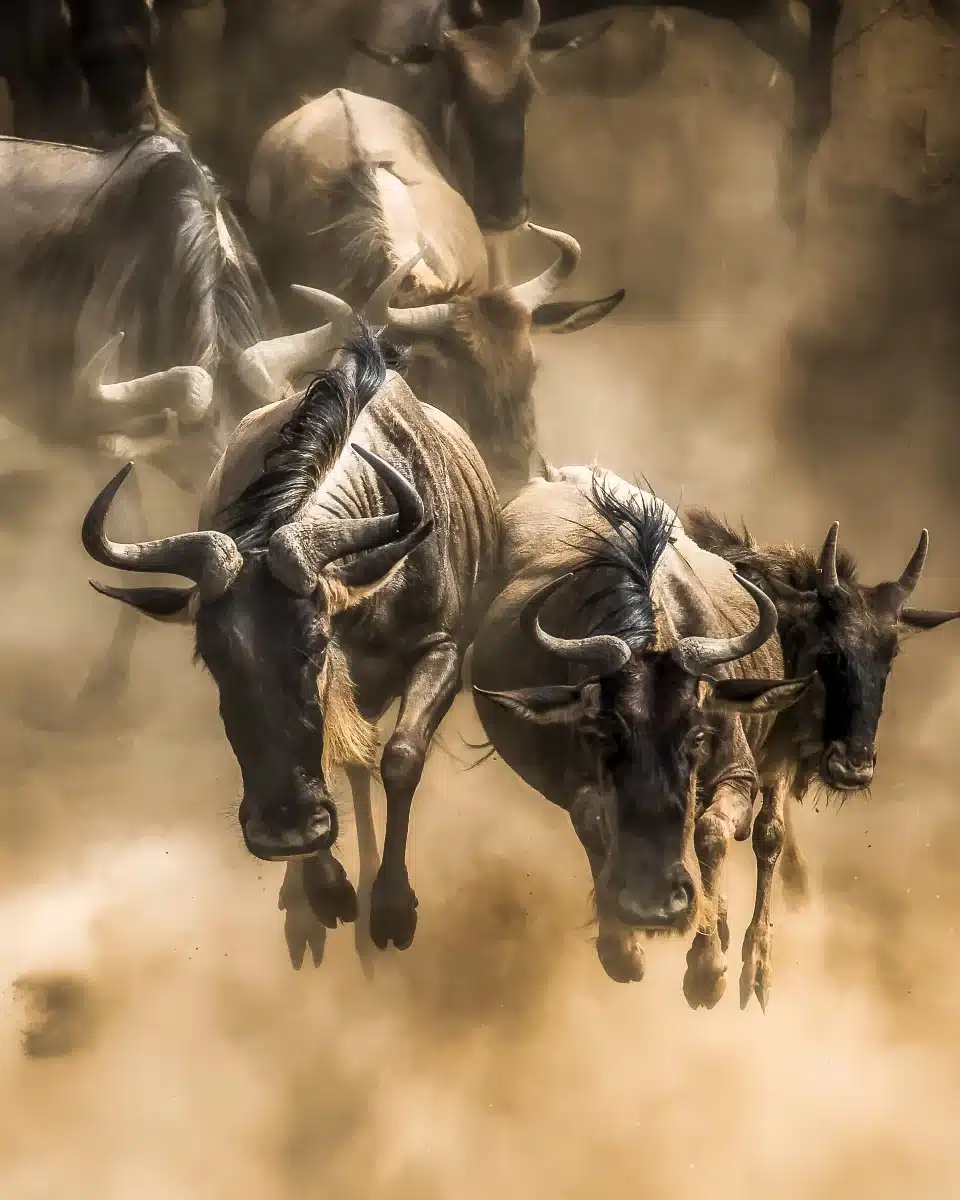
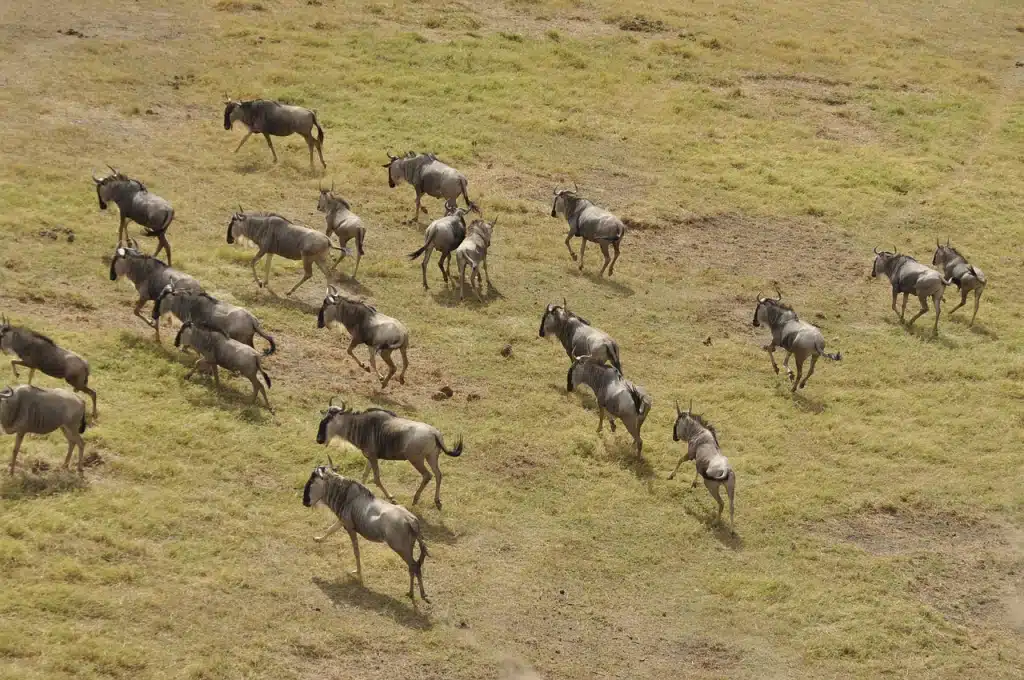
The Great Migration refers to the massive annual movement of over 2 million wildebeest, along with hundreds of thousands of zebras and gazelles, across the plains of the Serengeti National Park in Tanzania and into Kenya’s Maasai Mara. The migration follows a circular route in search of fresh grazing and water, driven by the seasonal rains and changing landscapes.
The migration is considered one of the Seven New Wonders of the Natural World, and it represents an extraordinary spectacle of survival, as the herds face numerous challenges along the way, including predators like lions, crocodiles, and hyenas.
Key Phases of the Great Migration:
While the Maasai Mara is the most famous stage of the Great Migration, understanding how it fits within Kenya’s broader ecosystem helps travelers choose the right parks from the full range of safari destinations in Kenya.
- The Start of the Migration (April – May):
- The wildebeest and other herbivores start moving from the southern Serengeti to the western corridor, crossing the Grumeti River. This marks the beginning of the migration and the journey northward. During this time, the herds encounter significant risks, including crocodile-infested rivers.
- The River Crossings (July – October):
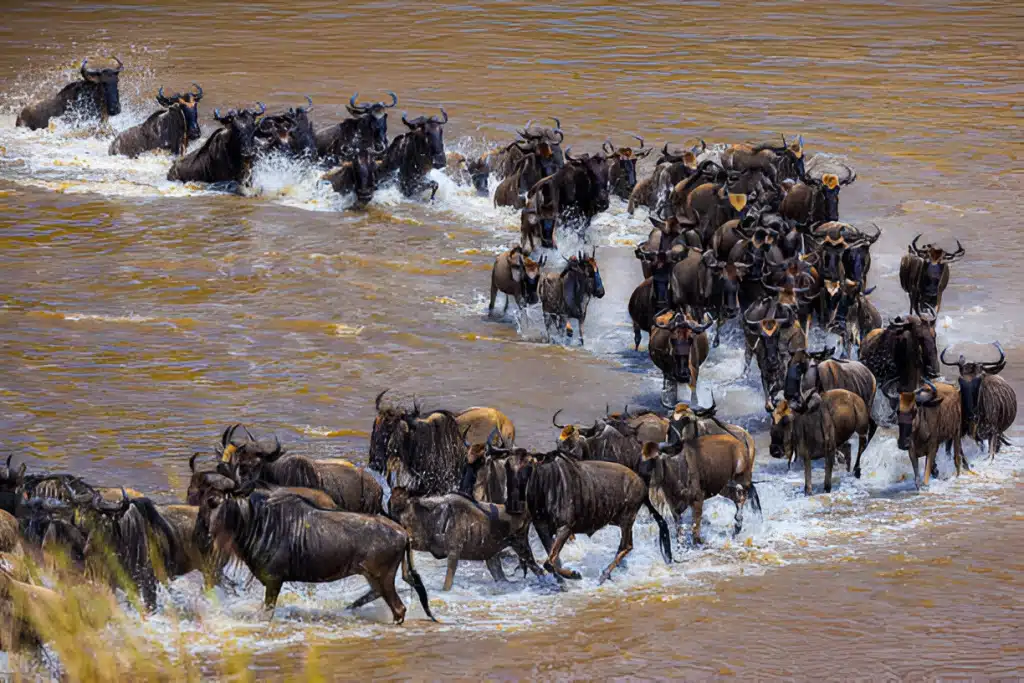
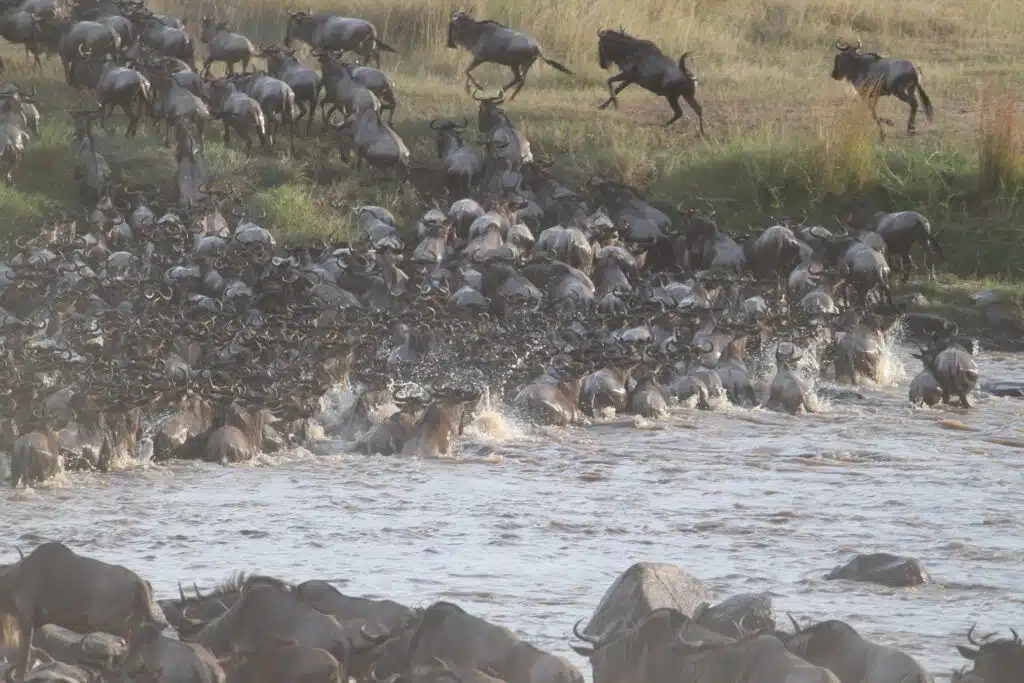
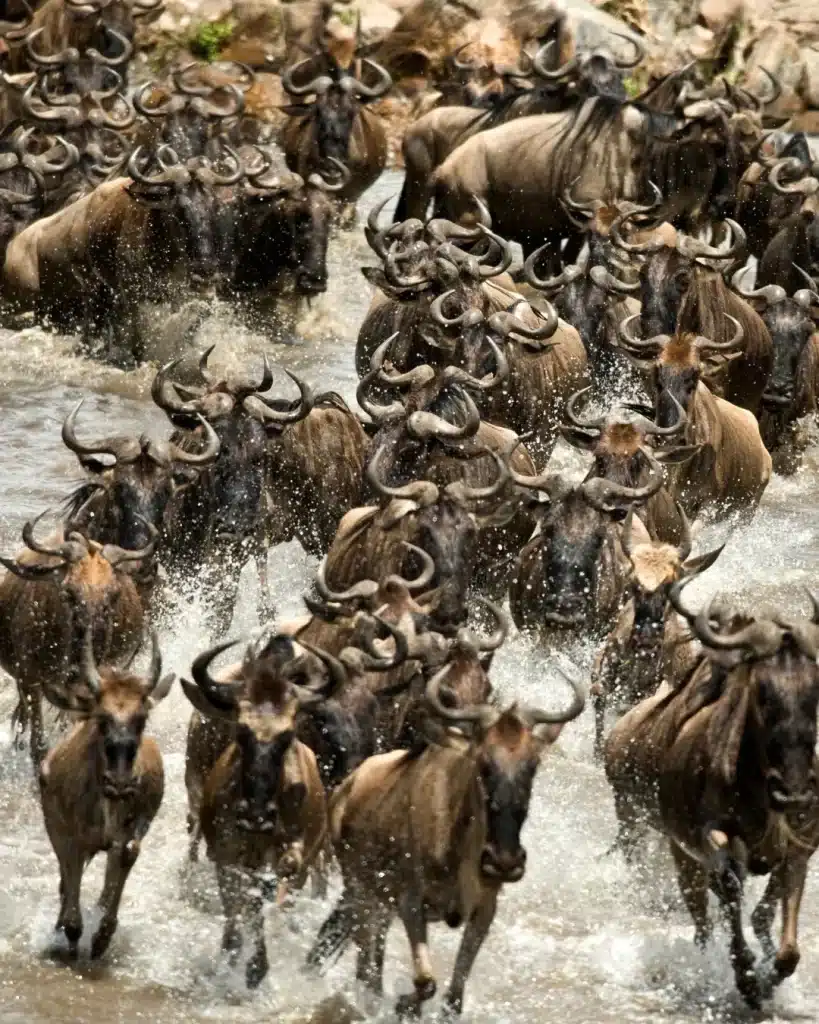
- One of the most dramatic phases of the Great Migration is the crossing of the Mara River into the Maasai Mara. Here, massive herds of wildebeest must cross the river, where they face danger from crocodiles lurking beneath the surface and lions waiting on the riverbanks. The scenes are filled with tension, emotion, and breathtaking action.
- This is the best time to witness the migration in the Maasai Mara. Thousands of wildebeest, zebras, and gazelles brave the river crossings, while predators capitalize on the vulnerable herds.
- The Return Journey (October – November):
- After reaching the Maasai Mara and grazing the rich grasslands, the herds begin their return journey southward to the Serengeti. They follow a similar route but often face different environmental challenges.
- The Calving Season (January – February):
- After the herds return to the southern Serengeti, they enter the calving season. During this time, thousands of calves are born, and the herds rest in the nutrient-rich grasses of the Serengeti plains. This period is vital for the survival of the species, as the newborns must grow quickly and remain vigilant against predators.
PRO TIP:
River crossings are unpredictable — they don’t happen on a fixed schedule. Staying at a centrally located camp and spending multiple nights in the Mara greatly increases your chances of witnessing one.
Why is the Great Migration So Special?
- Breathtaking River Crossings: The Mara River crossings are some of the most dramatic moments in nature, where thousands of wildebeest and other animals leap into the river, risking their lives for a chance at survival.
- Predator-Prey Dynamics: The migration is a dramatic showcase of the circle of life, as the migrating herds face constant threats from predators like lions, leopards, cheetahs, and crocodiles. The natural tension between predator and prey is one of the most compelling aspects of the migration.
- Ecological Impact: The Great Migration plays a crucial role in the ecosystems of the Serengeti and Maasai Mara. The movement of such large numbers of herbivores helps maintain the balance between different species, ensuring that grasslands are kept in check and allowing for the thriving of various plants and animals.
Did You Know?
Over 250,000 wildebeest die during the Great Migration each year — yet their movement fertilizes the plains and sustains predators, making the migration essential for the Serengeti–Mara ecosystem.
Many travelers visiting Kenya during the Great Migration also wonder about practical details such as gratuities. Understanding tipping on safari in Kenya helps you plan ahead and show appreciation to the guides who play a crucial role in your wildlife experience.
How to Experience the Great Migration:
- Safari Tours: The best way to witness the migration is through a safari tour in Maasai Mara. Many tour operators offer migration-focused safaris during peak season. You can experience this dramatic event via jeep safaris, hot air balloon rides, or even walking safaris with local Maasai guides.
- Mara River Crossings: For those looking to catch the iconic river crossings, staying at one of the luxury tented camps or lodges close to the Mara River, like those in the Mara North Conservancy or Serian camps, offers prime views of the action.
- Photography and Documentary Filming: The Great Migration is a photographer’s dream. If you’re a wildlife photographer, Maasai Mara during migration provides incredible opportunities to capture the energy and drama of the herds and predators.
PRO TIP:
Morning river crossings often provide softer light and less dust, making them ideal for photography. A private safari vehicle allows guides to position the vehicle for optimal angles without rushing.
Experiencing the Great Migration is unforgettable, but small planning mistakes—such as choosing the wrong location or staying too few nights—can limit what you see. Avoiding common Kenya safari planning mistakes can make the difference between a good safari and a truly exceptional one.
Conservation Efforts and Challenges:
While the Great Migration is an incredible spectacle, it faces several threats due to climate change, human-wildlife conflict, and the loss of migratory corridors. Efforts to protect the Mara-Serengeti ecosystem are ongoing, with initiatives to secure safe migration routes, preserve habitats, and mitigate conflicts between humans and wildlife. Many safari companies also support local conservation projects, contributing to the protection of this remarkable event.
Did You Know?
Nile crocodiles in the Mara River can live over 70 years, and many have learned to time their feeding around the migration season.
The Great Migration is not only a dramatic wildlife event but also a vital ecological process that sustains the Serengeti–Mara ecosystem. According to conservation experts at the World Wide Fund for Nature (WWF), the annual movement of wildebeest, zebra, and gazelles helps maintain healthy grasslands, supports predator populations, and preserves biodiversity across East Africa.
Conclusion:
The Great Migration in Maasai Mara is a spectacular, once-in-a-lifetime event, offering a front-row seat to one of nature’s most captivating dramas. Whether you’re an avid wildlife enthusiast or simply looking to experience the heart of Africa, witnessing the migration is an unforgettable journey into the wild.
Witnessing the Great Migration is about timing, location, and thoughtful planning. If you’re considering your own journey, explore our carefully curated Kenya safari packages to see which options align best with migration season, comfort level, and travel style.