A Brief History of Samburu National Reserve
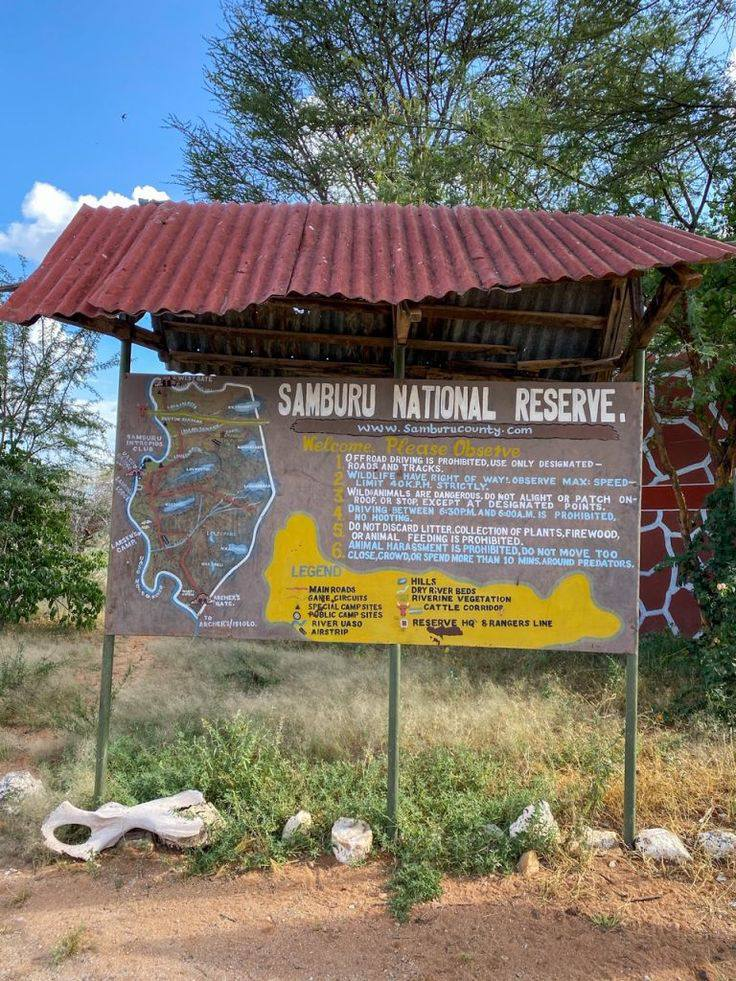
Established in 1962 along the banks of the Ewaso Nyiro River, Samburu National Reserve safeguards nearly 165 km² of semi‑arid savanna in northern Kenya. The landscape—rugged hills, doum‑palm groves, and desert scrub—was once the traditional grazing land of the semi‑nomadic Samburu people. Early conservationists quickly realised that this arid zone hosted wildlife found nowhere else in East Africa, prompting Kenya’s government to protect it under what is now a thriving community‑conservation model. Over six decades, Samburu Safari tourism has grown steadily, funding anti‑poaching patrols and community projects while maintaining the reserve’s remote, uncrowded feel—a rarity on the Kenyan safari circuit.
Did You Know?
Samburu was one of the first protected areas in Kenya to pioneer community-led conservation, setting a model later adopted across northern Kenya.
While Samburu National Reserve is best known for its rare wildlife and dramatic landscapes, it truly shines when experienced as part of a thoughtfully designed itinerary. Many of our Kenya safari packages include Samburu as a northern highlight, combining exceptional game viewing with rich cultural encounters for travelers seeking something beyond the classic circuit.
Samburu on Screen
Samburu Safari adventures have not only captivated travelers but also filmmakers, as Samburu National Reserve and its neighboring parks have starred in iconic films and documentaries that highlight their untamed beauty, rare wildlife, and dramatic landscapes.
- Born Free (1966) – This classic film tells the true story of Joy and George Adamson, a couple who raised and released an orphaned lioness named Elsa in Kenya. While the majority of the film was shot in Meru National Park, some scenes showcasing dry, rugged terrain and unique wildlife were filmed in northern Kenya, including areas near Samburu. The surrounding regions and reserves like Buffalo Springs and Shaba (adjacent to Samburu) were also used.
- To Walk with Lions (1999) – Filmed in Shaba National Reserve, adjacent to Samburu, it continues the story of lion conservationist George Adamson.
- The Lioness (2008, TV Movie) – Also shot in the Samburu-Shaba region, inspired by the Adamsons’ work with lions.
- BBC’s “Nature’s Great Events” – Features dramatic scenes of elephants and other wildlife surviving droughts in Samburu’s arid landscapes.
- National Geographic’s “The Last Lions of Samburu” – A powerful documentary focused on lion conservation and the challenges faced by Samburu’s big cats.
- Samburu’s stunning scenery and cultural richness have also made it a choice backdrop for luxury safari commercials and wildlife series.
The Special Five: Samburu’s Star Attractions
Unlike the more famous “Big Five,” Samburu’s Special Five are dry‑country specialists that rarely appear in southern Kenya or the Mara. Spotting them on a Samburu Safari adds bucket‑list bragging rights:
1. Grevy’s Zebra
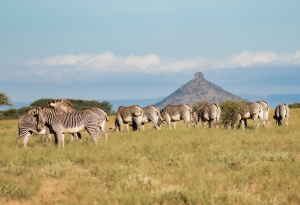
Grevy’s zebras are the largest and rarest of all zebra species, sporting pin‑stripe‑thin black lines and a majestic mule‑like build. Their population crashed to under 2,800 individuals, so Samburu’s herds are a vital genetic lifeline. Seeing them grazing against ochre hills is a reminder that conservation success in this reserve echoes across East Africa.
Did You Know?
The Grevy’s zebra population in Samburu represents one of the most important strongholds for this endangered species anywhere in Africa.
2. Somali Ostrich
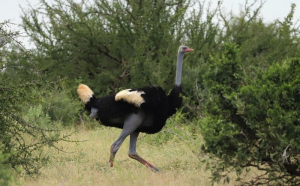
With powder‑blue necks and thighs, the Somali ostrich is instantly recognisable from its common cousin. Males display vivid cobalt plumage during courtship, creating striking photo opportunities during early‑morning drives. Because it prefers arid scrub, Samburu is one of the few protected areas where photographers can reliably capture this unique bird.
3. Reticulated Giraffe
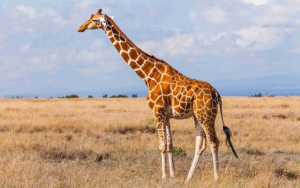
The reticulated giraffe’s geometric “net‑like” coat—large chestnut polygons traced by white—is the most eye‑catching of all giraffe patterns. Approximately 36 percent of the global population roams northern Kenya, and Samburu offers year‑round viewing. Conservationists track individuals here with GPS collars, so every sighting contributes to vital research.
4. Beisa (East African) Oryx
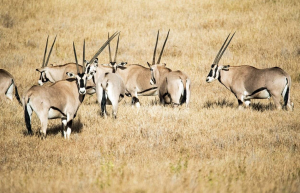
These elegant antelopes carry scimitar‑straight horns that can exceed a metre, giving predators pause. Their two‑toned coat and facial stripe help dissipate heat—an ingenious desert adaptation. Beisa oryx prefer open plains, so visitors often witness entire harems silhouetted by crimson sunsets, a quintessential Samburu Safari scene.
5. Gerenuk
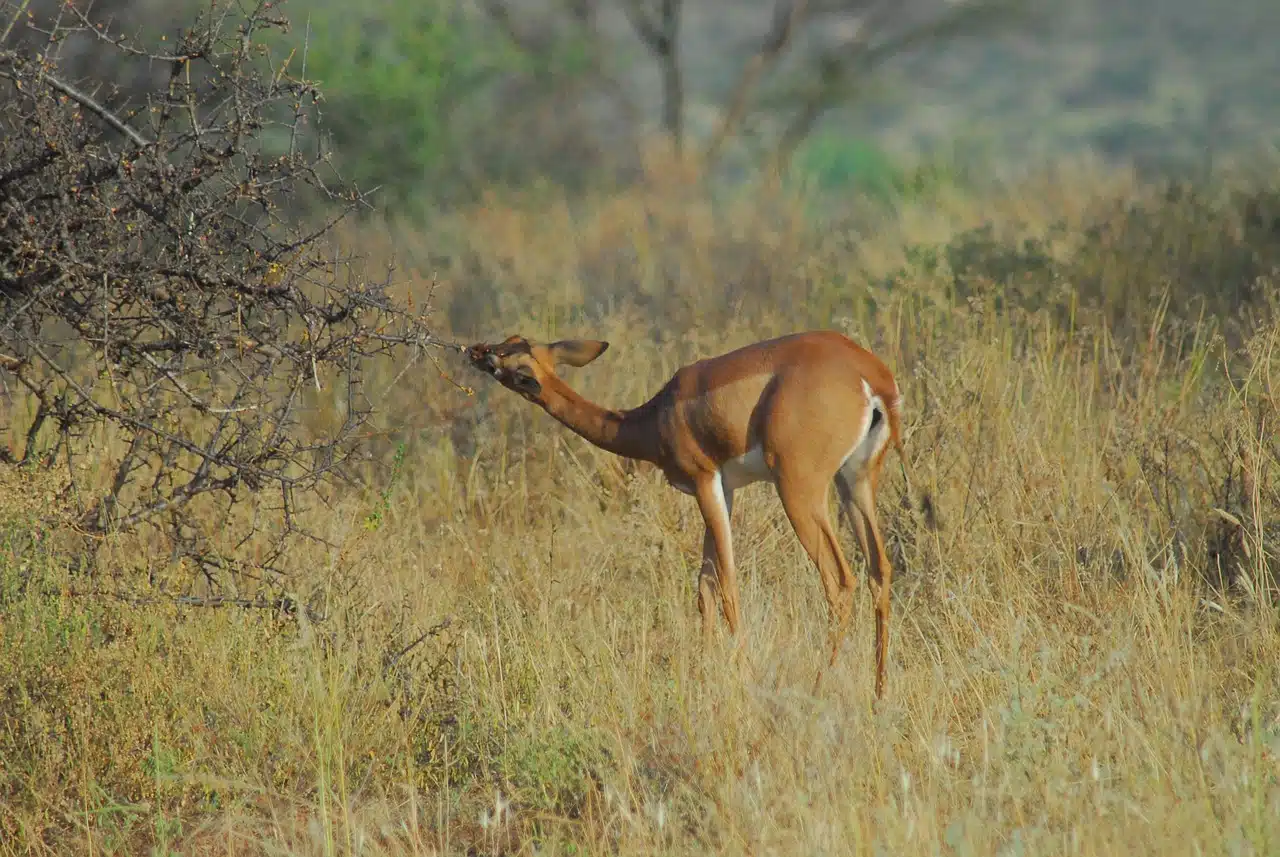
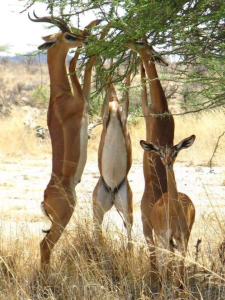
Nicknamed the “giraffe‑gazelle,” the slender gerenuk stands on its hind legs to browse leaves unreachable to other antelopes. Its elongated neck and almond eyes give it an almost mythical appearance as it stretches for acacia shoots. Because gerenuks are shy and endemic to the Horn of Africa, a clear sighting feels like a personal discovery.
Pro Tip: Best Time to See Samburu’s Special Five
Samburu’s Special Five are most active during early morning and late afternoon game drives, particularly in the dry season (June–October). Staying at a camp near the Ewaso Nyiro River significantly increases your chances of sightings.
Cultural Immersion on a Samburu Safari
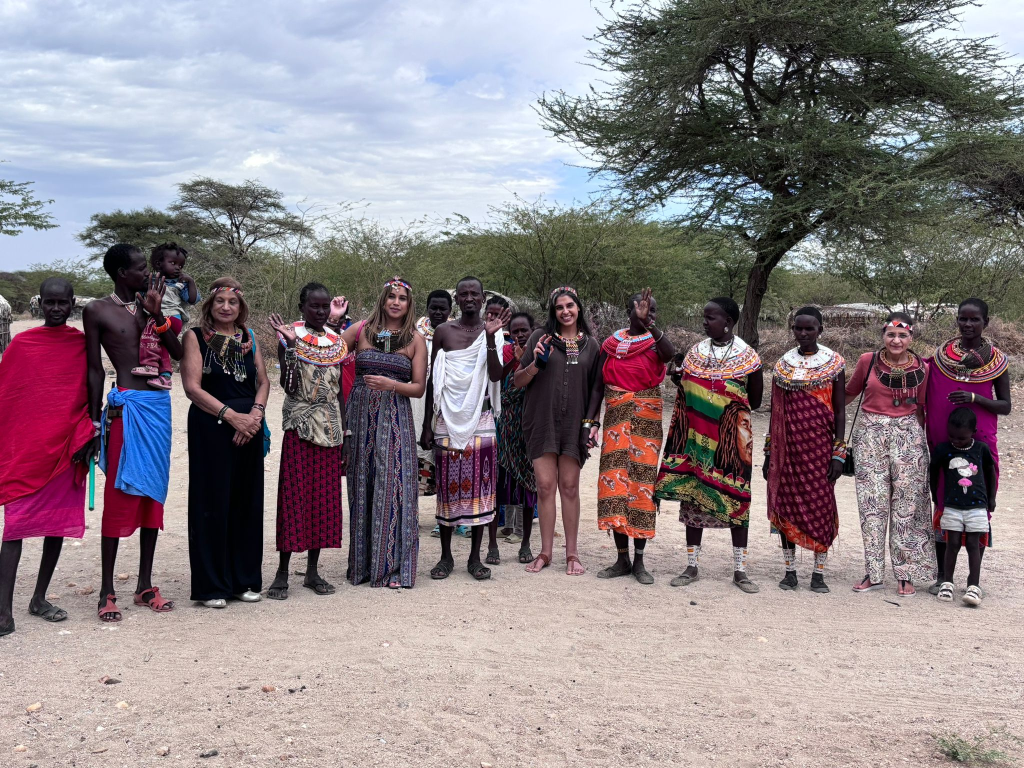
A Samburu Safari isn’t only about wildlife; it’s a doorway into the vibrant traditions of the Samburu people—close cousins of the Maasai. Many lodges offer guided village visits where colourful shúkà cloth, intricate beadwork, and rhythmic eskidoyo (jumping dance) reveal generations‑old stories about cattle, rain, and warriorhood. Women’s cooperatives teach travelers bead‑stringing, an activity that directly supports local livelihoods. For a deeper dive, arrange a cattle‑herding walk or a milking ceremony at dawn, guided by a Gemfinders Safaris translator who ensures respectful, two‑way cultural exchange. By night, settle around a thorn‑bush‑ringed fire and listen to elders recount creation myths under a lattice of southern stars.
Pro Tip: At Gemfinders Safaris, we arrange authentic Samburu cultural experiences exclusively through community-approved guides, ensuring respectful interactions, fair compensation, and genuine insight—never staged performances.
Unlike fixed group tours, private Kenya safaris allow travelers to slow down in places like Samburu—lingering by the Ewaso Nyiro River, adjusting game drives to wildlife movement, and spending meaningful time with local communities. This flexibility is what transforms a Samburu visit into a truly immersive experience.
Adventure Activities & Things to Do
Beyond classic game drives, Samburu Safari itineraries brim with adrenaline:
- Guided Bush Walks – Track lesser‑known creatures like desert warthogs and dung beetles while learning how samburu warriors read spoor for survival.
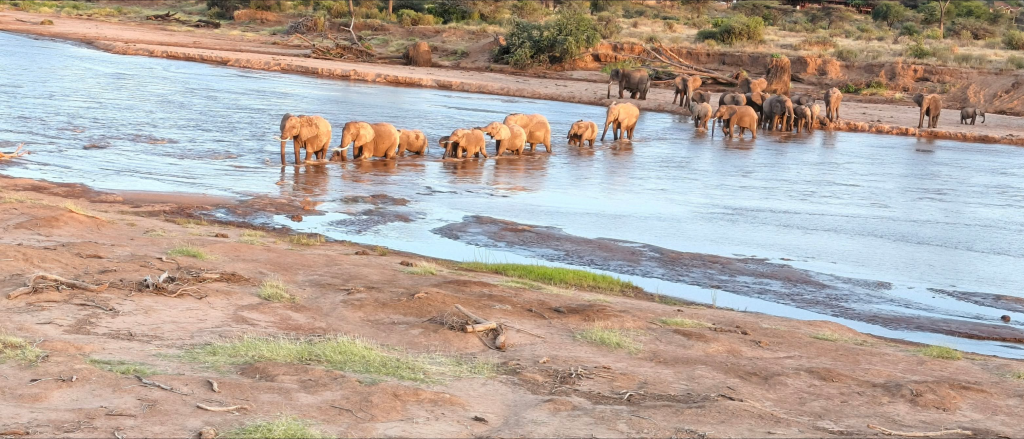
- Riverbank Sundowners – Toast golden hour on the Ewaso Nyiro as elephants wade through the shallows and crocodiles cruise below.
- Birding Safaris – Over 450 recorded species, including the vivid vulturine guinea‑fowl and the giant kingfisher, make every binocular session a treasure hunt.
- Camel Trekking – Clip‑clop across sandy luggas the traditional way, stopping at dry riverbeds where leopard prints lace the dust.
- Scenic Flights – A helicopter hop to the flamingo‑rich Lake Bogoria or the volcanic domes of the Mathews Range reveals Kenya’s dramatic northern topography.
Whether you crave photographic masterclasses, yoga decks with wildlife soundtracks, or night drives spotlighting aardwolves, Samburu delivers more than the average safari checklist.
Conservation & Sustainable Travel
While the Kenya Wildlife Service (KWS) is responsible for managing Kenya’s national parks and setting conservation standards across the country, reserves such as Samburu National Reserve are administered by local county governments.
The future of Samburu Safari adventures hinges on safeguarding fragile habitats and empowering communities. More than 35 percent of gate fees are channeled into clinics, schools, and water projects that uplift surrounding villages. Lodges now rely on solar grids, grey‑water recycling, and zero‑plastic pledges that align with Kenya’s nationwide single‑use‑plastic ban. Wildlife corridors linking Samburu to neighboring Buffalo Springs and Kalama conservancies allow genetic flow for wide‑ranging species like wild dog. As a visitor, you can amplify this impact: choose eco‑certified camps, offset your flight emissions, and buy beadwork directly from women’s groups rather than roadside middlemen. Every conscious decision helps ensure that spotting a reticulated giraffe in 2035 will still feel as magical as it does today.
If you’re passionate about wildlife conservation, you’ll love learning more about the David Sheldrick Elephant Orphanage. This organization plays a pivotal role in protecting Kenya’s elephants, and its efforts directly support the conservation work in places like Samburu, where wildlife protection is key to the region’s future.
Pro Tip: Samburu pairs exceptionally well with Meru National Park and Ol Pejeta Conservancy on a 5-day itinerary, offering travelers a rich contrast between northern arid landscapes, classic savannah wildlife, and leading conservation experiences.
Looking for more incredible safari destinations? Explore the breathtaking Masai Mara Conservancies in Kenya, where you can experience a unique and intimate wildlife adventure away from the crowds. The Masai Mara complements the beauty and raw experience of Samburu, offering travelers an even deeper dive into Kenya’s wildlife wonders.
Plan Your Samburu Safari with Gemfinders Safaris
Ready to book your dream safari? Check out our Kenya Safari Packages: Compare Budget, Mid-Range & Luxury Options (2025 Guide) for a comprehensive guide to planning your Kenya adventure. Whether you’re looking for an affordable getaway or a luxury escape, we have the perfect safari package that includes Samburu as a key highlight of your trip.
Samburu is a destination best experienced with expert local guidance and carefully planned logistics. At Gemfinders Safaris, we design private Samburu safari experiences that balance exceptional wildlife viewing, cultural authenticity, and responsible travel. Whether you’re combining Samburu with the Masai Mara or focusing on northern Kenya alone, we’ll craft a journey that reflects your travel style, pace, and interests.
???? Explore Samburu Safari Packages
???? Plan Your Custom Safari